The operational lifetime of a PTFE rotor is primarily dictated by mechanical stressors, environmental conditions, and the specific material composition of the component. Most standard rotors are rated for between 10,000 and 100,000 cycles, but this figure fluctuates significantly based on particulate abrasion, rotation speeds, and the frequency of high-pressure cycling.
Core Takeaway: To maximize the lifespan of a PTFE rotor, you must balance the mechanical load with the material’s ability to form a protective transfer film. Longevity is not just a factor of the PTFE itself, but of how the system manages heat, friction, and counter-surface interaction.
Mechanical and Operational Stressors
The Impact of Pressure Cycling and Velocity
The frequency of high-pressure cycling is a leading cause of material fatigue and deformation in PTFE rotors. High operating pressures accelerate wear, particularly if the rotor is subjected to frequent starts and stops or rapid pressure fluctuations.
Maintaining low rotation speeds is a critical strategy for preserving performance. At higher velocities, the friction at the interface increases, leading to heat buildup that can soften the polymer and accelerate material loss.
Particulate Abrasion and Wear Rates
Under controlled conditions (0.05 N/mm² pressure at 0.6 m/s velocity), PTFE exhibits a wear rate of approximately 21 µm/km. However, the presence of particulates in the fluid stream can significantly increase this rate through abrasive wear.
If seal wear increases despite stable conditions, it often indicates a change in the shaft surface hardness. For example, if a case-hardened surface wears through to a softer substrate, the PTFE rotor will experience a much higher rate of degradation.
Material Composition and Chemistry
The Role of Filled vs. Unfilled PTFE
For demanding services, filled PTFE grades are often utilized to mitigate the effects of friction and extrusion. While virgin PTFE is excellent for chemical purity, filled versions provide the structural integrity needed to handle higher mechanical loads.
The choice of filler is critical to the rotor's health. Polymeric fillers or dry lubricants tend to form a stable environment, while fibrous fillers like glass or carbon fiber offer superior wear resistance but introduce their own complexities.
The Importance of the Transfer Film
The longevity of a PTFE component depends on its ability to deposit a smooth transfer film onto the counter-surface. This film reduces the coefficient of friction and creates a "PTFE-on-PTFE" contact dynamic.
Fibrous fillers can sometimes be too abrasive, preventing this uniform film from forming. This leads to fluctuations in friction and inconsistent running temperatures, which can shorten the effective operational life of the rotor.
Environmental and Chemical Factors
Temperature Extremes and Heat Buildup
Operating temperature is a decisive factor in PTFE durability. While PTFE is known for its high temperature resistance, localized heat buildup from friction can cause the material to lose its dimensional stability.
In applications involving dynamic flexing, such as bellows or rotors in oscillating environments, the flex life of the material becomes the primary constraint. PTFE’s inherent flexibility allows it to endure these conditions far better than most rigid plastics.
Chemical and Radiation Exposure
PTFE is prized for its corrosion resistance, which allows it to remain effective in the presence of harsh chemicals and even nuclear radiation. In many industrial valve applications, properly maintained PTFE components can reach a service life of up to 50 years.
In aggressive chemical environments, the rotor's life is less about mechanical wear and more about maintaining a seal against dangerous fluids. Its resistance to chemical degradation ensures that the material does not become brittle or lose its sealing properties over time.
Understanding the Trade-offs
When optimizing a PTFE rotor, you must account for the trade-off between wear resistance and counter-surface abrasion. While adding glass or carbon fiber fillers makes the rotor itself more resistant to deformation and "creep," these fillers can be abrasive to the shaft or housing.
Furthermore, there is a trade-off between mechanical strength and chemical purity. Filled PTFE grades may introduce contaminants into ultra-pure processes, whereas virgin PTFE may fail prematurely under high-pressure mechanical loads. Balancing these factors is essential for system reliability.
How to Apply This to Your Project
Recommendations for Optimization
To ensure the longest possible service life for your PTFE rotor, align your material choice and operating parameters with your primary performance goal.
- If your primary focus is Maximum Longevity: Prioritize low rotation speeds and ensure the counter-surface is highly polished to facilitate a stable transfer film.
- If your primary focus is High-Pressure Performance: Utilize filled PTFE grades to prevent material extrusion and deformation during pressure cycling.
- If your primary focus is Chemical Purity: Stick to virgin PTFE and accept a lower mechanical threshold, or explore high-performance polymeric fillers that do not shed abrasive particles.
- If your primary focus is Abrasive Environments: Implement filtration to remove particulates and use case-hardened shafts to maintain the integrity of the counter-surface.
By matching the specific PTFE grade to the mechanical and environmental demands of your system, you can effectively extend the operational life of the rotor toward the upper limit of its 100,000-cycle potential.
Summary Table:
| Factor | Impact on Operational Lifetime | Optimization Strategy |
|---|---|---|
| Pressure & Speed | High velocity and pressure cycling accelerate fatigue and heat buildup. | Maintain low rotation speeds and stable operating pressures. |
| Material Grade | Filled PTFE handles high loads; Virgin PTFE ensures maximum purity. | Match filler type (glass, carbon, polymer) to mechanical stress. |
| Transfer Film | Essential for low-friction "PTFE-on-PTFE" contact. | Use highly polished counter-surfaces to facilitate film deposition. |
| Particulates | Abrasive particles significantly increase the 21 µm/km wear rate. | Implement filtration and use case-hardened shaft surfaces. |
| Environment | Temperature extremes and chemicals can affect dimensional stability. | Leverage PTFE’s natural corrosion resistance; manage friction heat. |
Elevate Your Lab’s Performance with KINTEK’s Fluoropolymer Expertise
Maximize the reliability of your experiments with high-performance PTFE and PFA solutions from KINTEK. Whether you need everyday basic labware (beakers, crucibles, reagent bottles, centrifuge tubes) or advanced derivative apparatus (standard or custom electrochemical cells, battery testing fixtures, microwave digestion vessels), we deliver precision-engineered supplies designed for the most demanding environments.
Our absolute focus on high-performance fluoropolymers, backed by end-to-end custom CNC fabrication, allows us to provide everything from complex non-standard machined parts to high-volume orders of fluid transfer components, filtration tools, and general consumables.
Ready to optimize your setup? Contact KINTEK today to discuss your bespoke laboratory requirements and discover how our high-purity, wear-resistant solutions can extend your equipment's operational lifetime.
Related Products
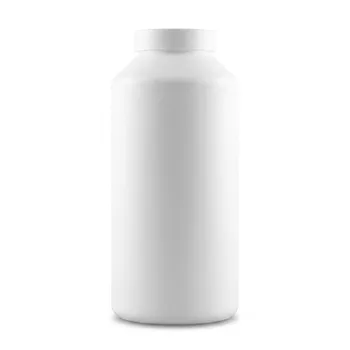
- Large Capacity PTFE Reaction Bottle 2L Wide Mouth Fluoropolymer Extraction Vessel Compatible with Rotary Agitators
- Customizable PTFE Rods for Advanced Industrial Applications
- Custom Graphite Filled PTFE Rods for Advanced Industrial Applications
- High Corrosion Resistant PTFE Faucet Polytetrafluoroethylene Valve for Chemical Storage Drums and Fluid Transfer Systems Customizable Industrial Grade
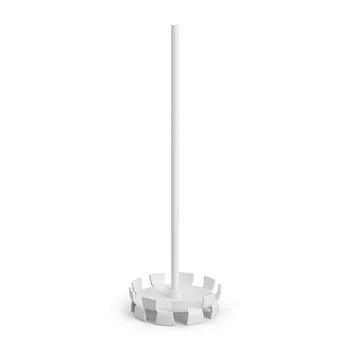
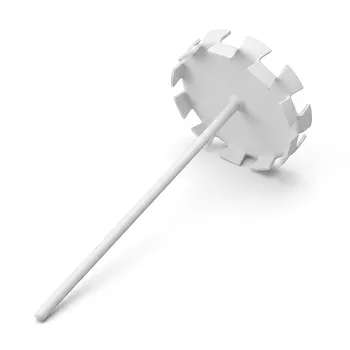
- Custom PTFE Dispersing Disc and Stirring Rod for Chemical Processing and Laboratory Mixing
People Also Ask
- Why is a PTFE reaction vessel required for Ti3C2Tx MXene synthesis? Ensure Safe HF Etching & High Purity
- Ion Activation Reaction Vessel Requirements: Why PTFE is Critical for Membrane Performance
- Why are fluoroplastic (PTFE) reaction vessels recommended for Methylene Blue (MB) adsorption kinetic experiments?
- Why are high-purity PTFE or PFA reaction vessels recommended for the synthesis of PANI-TiC hybrid materials? - Guide
- What reaction vessel and fluid handling considerations are necessary for living cationic polymerization of fluorinated monomers involving Lewis acid catalysts? Key design and safety tips