The fabrication of planar PTFE microchannel chips relies on specialized techniques that accommodate the material’s unique thermal stability and high melt viscosity. Unlike standard plastics, these chips are primarily produced through high-temperature thermo-molding (up to 350°C) against reusable masters or via precision CNC machining from solid blocks.
Core Takeaway: Because PTFE cannot be injection-molded, fabrication is divided between subtractive CNC milling for custom geometries and thermo-molding for replication, both requiring advanced sealing methods like mechanical "click" interlocking or thermal bonding with FEP interlayers.
Primary Fabrication Techniques
High-Temperature Thermo-Molding
This method involves pressing PTFE against a reusable master mold at temperatures reaching up to 350°C. This replication process allows for the creation of planar structures by forcing the material to take the shape of the master under intense heat and pressure.
Precision CNC Machining
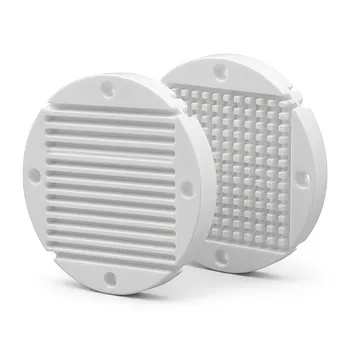
CNC milling and turning are the most common methods for creating custom microchannel geometries in technical-grade PTFE blocks. This subtractive approach is highly valued for rapid prototyping, as it allows for complex internal architectures without the need for expensive master molds.
Semi-Finished Stock Processing
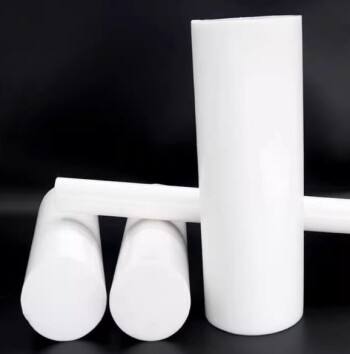
Many PTFE components begin as compression-molded plates or rods that are sintered at temperatures between 360°C and 380°C. These semi-finished "blanks" are then precisely machined into final chips using standard mechanical tools, water jet cutting, or laser cutting.
Sealing and Assembly Strategies
Mechanical Interlocking Systems
To ensure a leak-proof seal without adhesives, many designs utilize a tenon-and-mortise "click" system. These interlocking parts are held under compression, allowing the chip to be easily disassembled, cleaned, and reconfigured for different chemical reactions.
Thermal Bonding and Interlayers
Permanent sealing can be achieved through thermal bonding, where the layers are fused under heat. Because pure PTFE is difficult to bond, Fluorinated Ethylene Propylene (FEP) interlayers are often used as a "glue" or bonding agent to facilitate a hermetic seal between the planar surfaces.
Compression Sealing
In many reactor setups, PTFE chips are placed within a secondary housing that applies uniform mechanical pressure. This ensures that the soft, deformable nature of PTFE creates a natural seal against flat surfaces, maintaining integrity during high-pressure chemical flows.
Understanding the Trade-offs
The Injection Molding Barrier
PTFE possesses an extremely high melt viscosity, meaning it does not flow like typical thermoplastics when heated. This physical limitation makes injection molding impossible, forcing manufacturers to rely on slower, more expensive machining or sintering processes.
Material Deformation and Creep
While PTFE is easy to machine using woodworking or metalworking tools, its softness can lead to deformation if too much pressure is applied during the "click" locking process. Engineers must carefully balance the compression force needed for a seal against the risk of collapsing the microchannels.
Complexity vs. Scalability
CNC machining offers incredible flexibility for one-off designs but is difficult to scale for high-volume production. Conversely, thermo-molding requires a significant initial investment in a durable master mold but offers a more repeatable path for producing multiple identical chips.
How to Apply This to Your Project
When selecting a fabrication method for your PTFE microfluidic device, consider your primary objective and the complexity of your channel design.
- If your primary focus is rapid prototyping: Utilize CNC milling of technical-grade blocks to allow for fast iterations and easy disassembly for cleaning.
- If your primary focus is high-volume replication: Invest in high-temperature thermo-molding against a reusable master to ensure consistency across multiple units.
- If your primary focus is permanent hermetic sealing: Use thermal bonding with an FEP interlayer to create a unified, leak-proof structure that can withstand aggressive chemical environments.
By matching the fabrication technique to your specific design requirements, you can leverage PTFE’s superior chemical resistance while overcoming its inherent manufacturing challenges.
Summary Table:
| Fabrication Method | Best Use Case | Key Advantage |
|---|---|---|
| Precision CNC Machining | Rapid Prototyping | No master mold needed; ideal for complex internal geometries. |
| High-Temp Thermo-Molding | High-Volume Replication | Consistency across units by pressing against a reusable master. |
| Stock Processing | Standard Components | Uses sintered plates/rods for mechanical cutting or laser shaping. |
| Thermal Bonding | Hermetic Sealing | FEP interlayers fuse layers for leak-proof chemical environments. |
| Mechanical 'Click' | Reusable Devices | Tenon-and-mortise system allows for disassembly and easy cleaning. |
Elevate Your Microfluidic Research with KINTEK
Unlock the full potential of high-performance fluoropolymers for your next project. KINTEK specializes in the precision engineering of PTFE and PFA laboratory supplies, ranging from basic consumables like beakers and stirring bars to advanced microchannel reactors and custom electrochemical cells.
Whether you require rapid prototyping via custom CNC fabrication or high-volume orders of specialized fluid transfer components, our end-to-end manufacturing ensures your non-standard parts meet the most rigorous chemical resistance standards. From high-purity trace analysis tools to bespoke reaction apparatus, we deliver exactly what your lab needs to succeed.
Ready to design your custom PTFE microchannel chip or lab setup?
Contact KINTEK Today to Get Started
Related Products
- High Purity PTFE Microwave Digestion Vessel Replacement for GT-400 Systems Acid Reflux and Sample Preparation
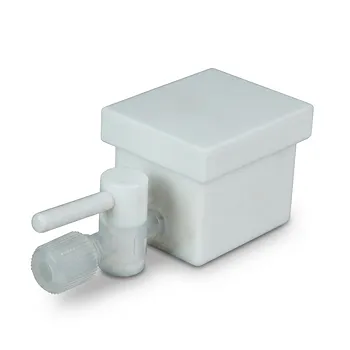
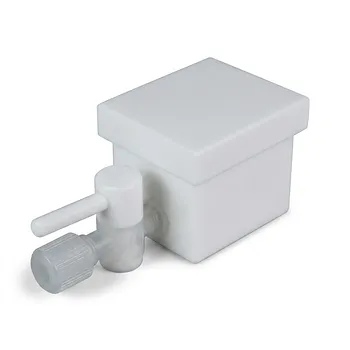
- Square PTFE Electrochemical Cell for Silicon Wafer Processing and Hydrofluoric Acid Resistance in Semiconductor and New Energy Research
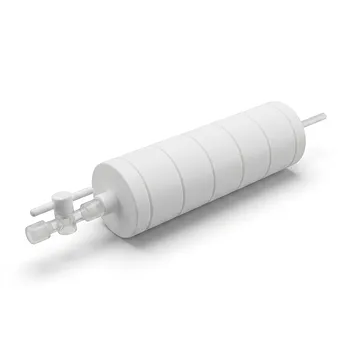
- Custom PTFE Filtration System Acid Resistant High Purity Semiconductor Grade Chemical Processing Filter
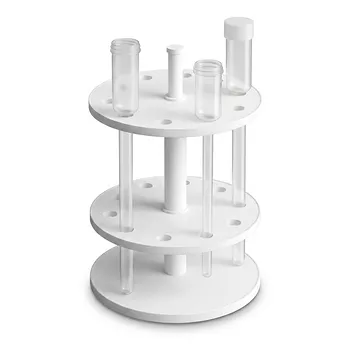
- Custom PFA Micro Column Rack and PTFE Machined Storage Solutions for Trace Analysis
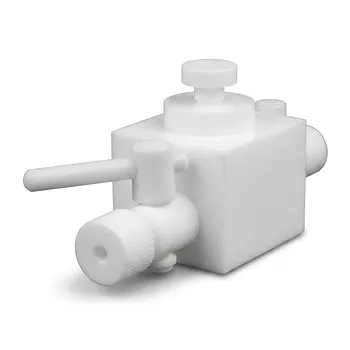
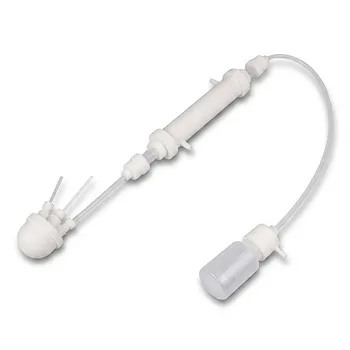
- Custom PTFE Constant Pressure Separatory Funnel Corrosion Resistant Low Background Labware for PFA Flasks
People Also Ask
- What are the advantages of using microwave digestion vessels for environmental analysis? Boost speed and sample accuracy.
- What safety features are commonly integrated into microwave digestion vessels? Ensuring High-Pressure Laboratory Safety
- What fundamental chemical characteristics of polytetrafluoroethylene (PTFE) make it an ideal material for high-purity laboratory ware and digestion vessels? Discover Its Inertness and Stability
- What fundamental chemical property makes PTFE uniquely suited for high-purity trace analysis labware and digestion vessels? The key is its strong carbon-fluorine bonds
- How does the dielectric property of PTFE benefit microwave-assisted digestion? Unlock Rapid and Uniform Sample Heating