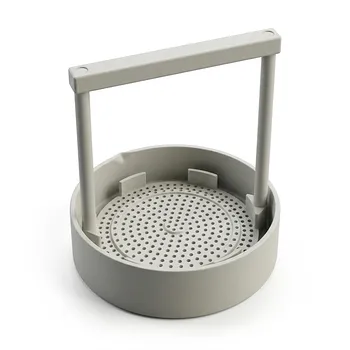
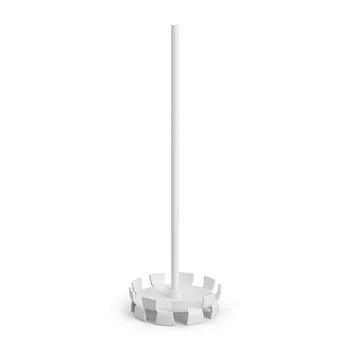
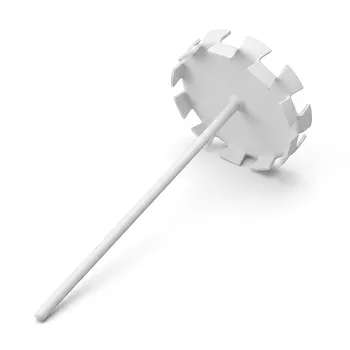
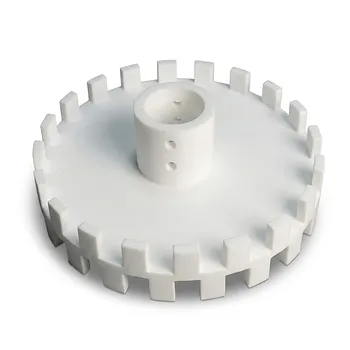
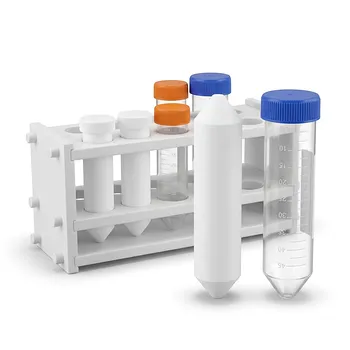
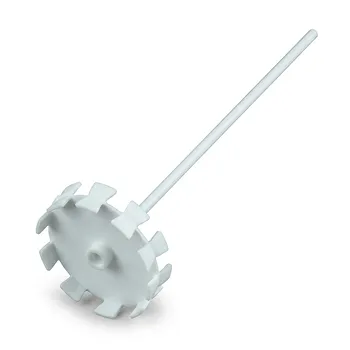
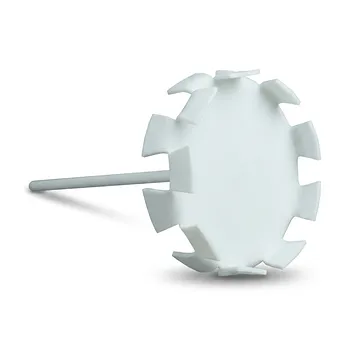
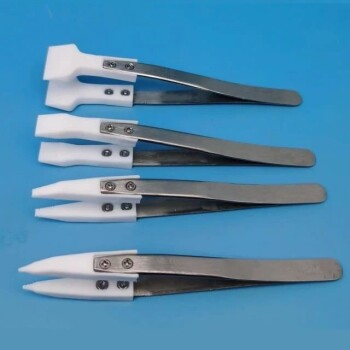
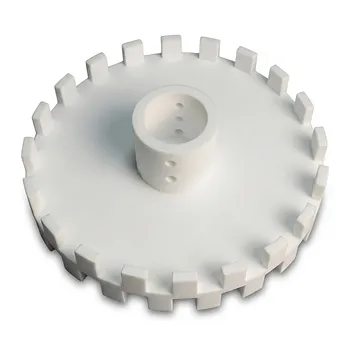
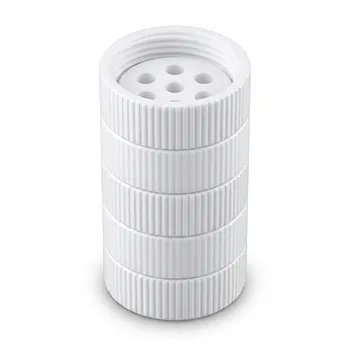
Polytetrafluoroethylene (PTFE) rotors are essential laboratory components because they provide near-universal chemical inertness and an exceptional temperature operating range. These rotors prevent sample contamination by eliminating metal ion leaching and resisting degradation from aggressive acids, bases, and organic solvents. Their unique non-stick properties and low friction coefficient ensure high-purity results and maintenance-free operation in the most demanding scientific environments.
Core Takeaway: PTFE rotors serve as a definitive solution for high-purity and corrosive applications, offering a unique combination of chemical immunity, wide thermal stability, and a self-lubricating surface that prevents sample adhesion.
The Pillars of PTFE Chemical and Thermal Stability
Near-Universal Chemical Resistance
The primary advantage of PTFE is its inertness to almost all industrial chemicals and solvents. This characteristic prevents the rotor material from reacting with sensitive reagents, ensuring that the chemical integrity of the sample remains uncompromised.
Eliminating Sample Contamination
Because PTFE is a non-metal fluoropolymer, it eliminates the risk of metal ion leaching into solutions. This is critical for trace analysis and applications where even parts-per-billion levels of metallic interference can invalidate experimental data.
Extreme Temperature Versatility
PTFE rotors maintain their mechanical integrity across a massive thermal spectrum, typically from -200 °C to +260 °C. This allows a single rotor type to be used in cryogenic research, high-temperature synthesis, and standard autoclaving procedures without losing its shape or functionality.
Operational Efficiency and Safety
High-Purity Fluid Handling
The non-polar, non-stick surface of PTFE prevents residues and biological samples from adhering to the rotor. This facilitates effortless cleaning and ensures reproducible results by preventing cross-contamination between different experimental runs.
Low Friction and Self-Lubrication
With an extremely low coefficient of friction (0.05–0.10), PTFE rotors allow for smooth rotation without the need for external lubricants or greases. This "dry" operation prevents product contamination and significantly reduces wear on the driving shafts and bushings.
Physical Durability and Safety
Unlike laboratory glassware, PTFE is virtually unbreakable under normal handling conditions. This reduces the risk of accidental exposure to hazardous corrosives caused by shattered equipment, making the laboratory environment safer for researchers.
Understanding the Trade-offs
Mechanical Limitations and Cold Flow
While PTFE is tough, it is softer than stainless steel or ceramic alternatives. Under heavy, continuous loads, PTFE can experience "cold flow" or deformation, which may affect the precise fit of the rotor over long periods of high-stress operation.
Thermal Insulation Properties
PTFE is an effective thermal insulator, which may be a disadvantage if your process requires rapid heat transfer through the rotor itself. In such cases, the material's resistance to heat flow must be accounted for in the experimental design.
Pressure Constraints
In extremely high-pressure environments, pure PTFE may not provide the same structural rigidity as metal alloys. Users must ensure that the specific grade of PTFE and the rotor design are rated for the intended pressure of the application.
Selecting the Right Rotor for Your Application
Choosing the right material depends entirely on your specific research goals and environmental constraints.
- If your primary focus is analytical purity: Choose PTFE to ensure zero metal ion leaching and to leverage its non-stick surface for easy decontamination between samples.
- If your primary focus is corrosive resistance: PTFE is the gold standard for applications involving strong acids or aggressive organic solvents that would degrade stainless steel.
- If your primary focus is mechanical longevity under high load: Evaluate whether a reinforced PTFE compound or a different high-performance plastic might be necessary to prevent material deformation.
By integrating PTFE rotors into your laboratory workflow, you ensure a high level of experimental repeatability and safety in even the most aggressive chemical environments.
Summary Table:
| Feature | Key Advantage | Scientific Impact |
|---|---|---|
| Chemical Resistance | Near-universal inertness | Prevents sample degradation and reagent reaction |
| Purity Control | Zero metal ion leaching | Essential for trace analysis and high-accuracy data |
| Thermal Range | Stable from -200°C to +260°C | Suitable for cryogenic and high-temperature synthesis |
| Surface Property | Non-stick & self-lubricating | Effortless cleaning and maintenance-free rotation |
| Safety | Virtually unbreakable | Eliminates risk of exposure from shattered glassware |
Elevate Your Research with KINTEK’s Fluoropolymer Expertise
At KINTEK, we understand that high-performance research demands high-performance materials. We offer an exhaustive range of laboratory supplies crafted from PTFE and PFA, spanning from everyday basic labware—like beakers, crucibles, and reagent bottles—to advanced components such as custom electrochemical cells and microwave digestion vessels.
Whether you need standard consumables like stirring bars and tubing or complex, bespoke CNC-fabricated parts tailored to your unique experimental setup, KINTEK provides the absolute precision your lab deserves. Our focus on high-performance fluoropolymers ensures your fluid transfer, sample prep, and reaction apparatus maintain total chemical immunity.
Maximize your lab's efficiency and purity today. Contact our specialists now to discuss your custom requirements or high-volume orders!
Related Products
- Large Capacity PTFE Reaction Bottle 2L Wide Mouth Fluoropolymer Extraction Vessel Compatible with Rotary Agitators
- Customizable PTFE Rods for Advanced Industrial Applications
- Custom Graphite Filled PTFE Rods for Advanced Industrial Applications
- High Corrosion Resistant PTFE Faucet Polytetrafluoroethylene Valve for Chemical Storage Drums and Fluid Transfer Systems Customizable Industrial Grade
- Custom PTFE Dispersing Disc and Stirring Rod for Chemical Processing and Laboratory Mixing
People Also Ask
- Why is a PTFE reaction vessel required for Ti3C2Tx MXene synthesis? Ensure Safe HF Etching & High Purity
- Ion Activation Reaction Vessel Requirements: Why PTFE is Critical for Membrane Performance
- Why are fluoroplastic (PTFE) reaction vessels recommended for Methylene Blue (MB) adsorption kinetic experiments?
- Why are high-purity PTFE or PFA reaction vessels recommended for the synthesis of PANI-TiC hybrid materials? - Guide
- What reaction vessel and fluid handling considerations are necessary for living cationic polymerization of fluorinated monomers involving Lewis acid catalysts? Key design and safety tips