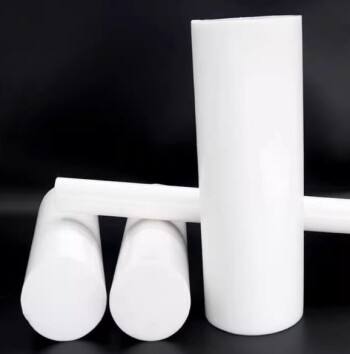
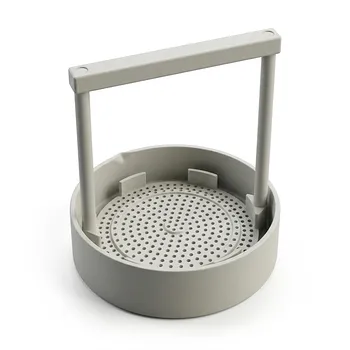
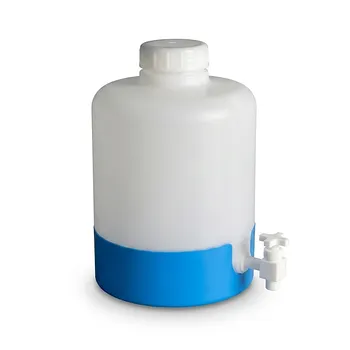
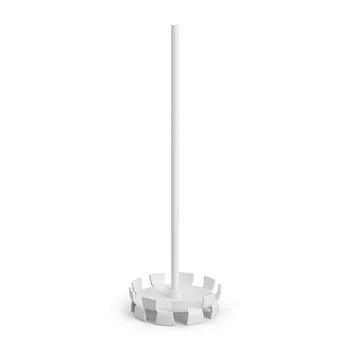
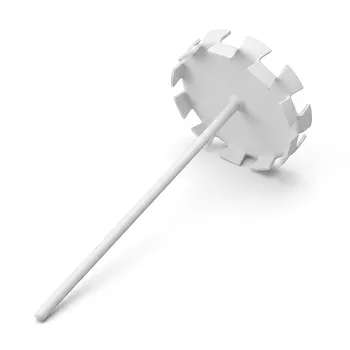
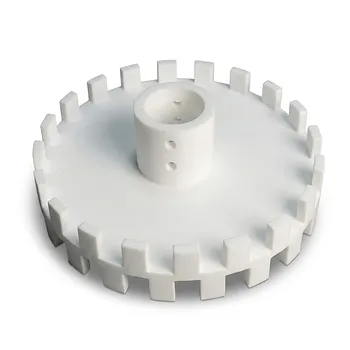
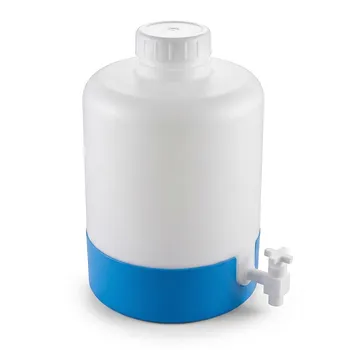
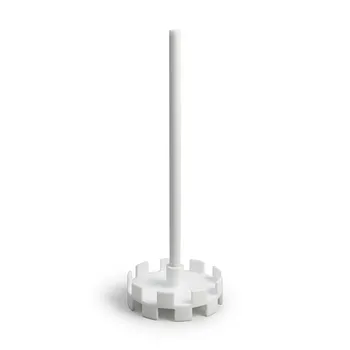
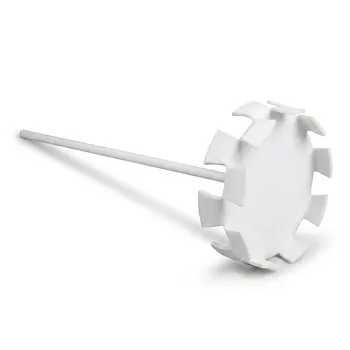
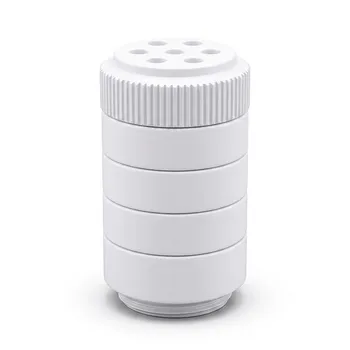
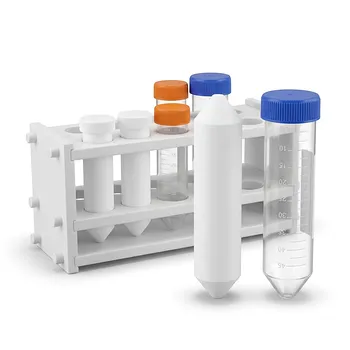
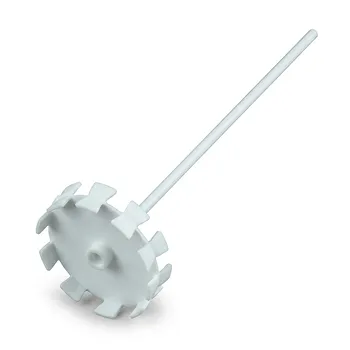
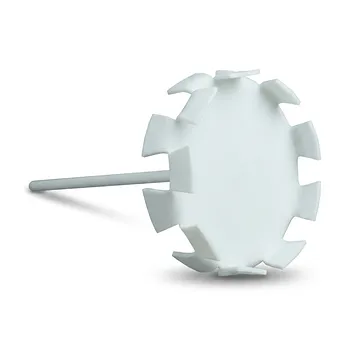
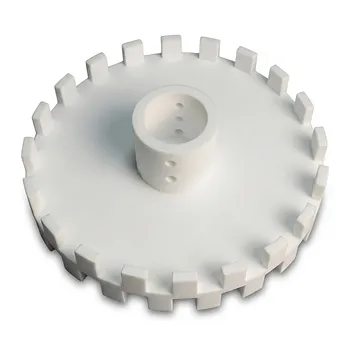
Polytetrafluoroethylene (PTFE) rotors provide a unique dual advantage of high-release surfaces and superior dielectric strength. These properties eliminate material buildup (fouling) in viscous mixing and prevent hazardous static discharge during the transfer of sensitive fluids. By integrating PTFE, engineers can achieve continuous operation in environments where traditional metal or polymer rotors would fail due to residue accumulation or electrical risk.
PTFE rotors solve the critical challenge of process interruption by combining a non-stick surface that prevents residue accumulation with electrical insulation that ensures safety in static-sensitive environments. This synergy reduces maintenance overhead and protects product purity in high-precision industries like semiconductor manufacturing and chemical processing.
Eliminating Fouling and Material Accumulation
Maintaining Flow in Viscous Environments
The non-stick surface of PTFE is critical for handling solids, polymers, and settling slurries. In wastewater treatment and chemical mixing, this property prevents "fouling," where materials adhere to the rotor and degrade performance.
By preventing buildup, PTFE rotors maintain the original flow dynamics of the machinery. This ensures that the motor does not have to work harder to compensate for the added weight or drag of accumulated residue.
Enhancing Purity through Residue Prevention
In laboratory and specialty chemical applications, cleanliness is a non-negotiable requirement. The non-polar nature of PTFE ensures that sticky substances, such as adhesives or resins, do not leave a film behind.
This "self-cleaning" behavior is essential for batch processing where cross-contamination must be avoided. It significantly reduces the downtime typically required for aggressive mechanical cleaning or solvent washing.
Safeguarding Sensitive Electrical Environments
Mitigation of Static Discharge
When handling static-sensitive fluids, such as those found in semiconductor wet processing, electrical insulation is a vital safety feature. PTFE’s high dielectric strength prevents the rotor from acting as a conduit for electrical charges.
This insulation provides an added layer of safety in volatile environments. It minimizes the risk of sparks that could lead to fires or explosions when transferring flammable chemicals.
Reliability in Complex Assemblies
Beyond the rotor itself, PTFE is often used to cover wiring and circuit boards in the surrounding machinery. This ensures that the entire system remains electrically isolated, even in the presence of conductive fluids or high-humidity environments.
Efficiency and Operational Longevity
Self-Lubrication and Reduced Friction
PTFE possesses an extremely low coefficient of friction (typically 0.05 to 0.10). This allows the rotor to operate smoothly without the need for external lubricants that could contaminate the process fluid.
The reduction in friction directly translates to lower energy consumption. It also minimizes the wear and tear on the machinery's drive system, extending the overall service life of the equipment.
Thermal and Chemical Resilience
PTFE maintains its mechanical properties across a vast temperature range, from −200 °C to +260 °C. This stability allows rotors to operate in cryogenic or high-heat environments without losing their non-stick or insulative qualities.
Furthermore, its chemical inertness ensures the rotor will not degrade when exposed to aggressive acids, bases, or solvents. This makes it a universal solution for the most demanding specialty machinery applications.
Understanding the Trade-offs
Mechanical Strength Limitations
While pure PTFE is chemically and electrically superior, it has lower mechanical strength than stainless steel or specialized alloys. Under high pressure or high-torque conditions, pure PTFE may undergo "creep" or dimensional deformation.
The Necessity of Reinforcement
To counter these physical limitations, industrial applications often utilize reinforced PTFE grades. By filling the polymer with glass or carbon fibers, manufacturers can increase wear resistance and compressive strength.
These composite materials allow the rotor to handle abrasive duties or high-pressure mixing while still retaining the core benefits of chemical resistance and low friction.
Strategic Implementation of PTFE Rotors
When selecting a rotor material for specialty machinery, the choice should be dictated by the specific hazards and performance requirements of your process.
- If your primary focus is process purity: Prioritize high-purity PTFE to prevent residue buildup and ensure the chemical integrity of your fluids.
- If your primary focus is hazardous fluid transfer: Leverage the electrical insulation properties of PTFE to mitigate static discharge risks in volatile or sensitive environments.
- If your primary focus is high-pressure durability: Utilize glass- or carbon-filled PTFE grades to maintain dimensional stability and prevent mechanical failure under stress.
PTFE rotors empower operators to bridge the gap between chemical resilience and operational efficiency in the world's most demanding fluid systems.
Summary Table:
| Key Property | Operational Benefit | Ideal Application |
|---|---|---|
| Non-Stick Surface | Eliminates material buildup and fouling | Viscous mixing & wastewater |
| Electrical Insulation | Prevents hazardous static discharge | Semiconductor wet processing |
| Low Friction | Reduces energy consumption and wear | High-speed fluid transfer |
| Chemical Inertness | Resists aggressive acids and solvents | Aggressive chemical processing |
| Thermal Stability | Reliable performance from -200°C to +260°C | Cryogenic & high-heat systems |
Elevate Your System Performance with KINTEK’s Fluoropolymer Expertise
Maximize the efficiency and safety of your specialty machinery with high-performance PTFE and PFA components from KINTEK. Whether you require everyday basic labware like beakers and reagent bottles or complex fluid transfer components including tubing, valves, and fittings, we provide the precision your application demands.
Why partner with KINTEK?
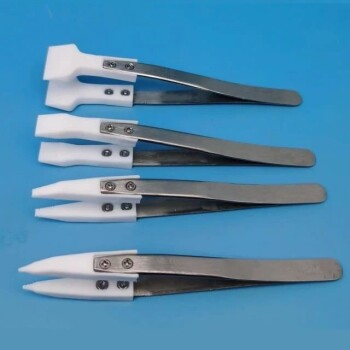
- Comprehensive Range: From sample prep tools (filters, pipettes, tweezers) and general consumables (O-rings, seal tapes) to advanced reaction apparatus (electrochemical cells, microwave digestion vessels).
- Bespoke Engineering: Backed by end-to-end custom CNC fabrication, we deliver everything from complex non-standard machined parts to high-volume orders.
- Material Focus: An absolute focus on high-performance fluoropolymers ensures maximum chemical resistance and purity for your most sensitive processes.
Contact our engineering team today to discuss your custom PTFE rotor or laboratory setup requirements!
Related Products
- Large Capacity PTFE Reaction Bottle 2L Wide Mouth Fluoropolymer Extraction Vessel Compatible with Rotary Agitators
- Customizable PTFE Rods for Advanced Industrial Applications
- Custom Graphite Filled PTFE Rods for Advanced Industrial Applications
- High Corrosion Resistant PTFE Faucet Polytetrafluoroethylene Valve for Chemical Storage Drums and Fluid Transfer Systems Customizable Industrial Grade
- Custom PTFE Dispersing Disc and Stirring Rod for Chemical Processing and Laboratory Mixing
People Also Ask
- Ion Activation Reaction Vessel Requirements: Why PTFE is Critical for Membrane Performance
- Why is a PTFE reaction vessel required for Ti3C2Tx MXene synthesis? Ensure Safe HF Etching & High Purity
- Why are fluoroplastic (PTFE) reaction vessels recommended for Methylene Blue (MB) adsorption kinetic experiments?
- Why are high-purity PTFE or PFA reaction vessels recommended for the synthesis of PANI-TiC hybrid materials? - Guide
- What reaction vessel and fluid handling considerations are necessary for living cationic polymerization of fluorinated monomers involving Lewis acid catalysts? Key design and safety tips