Toggle Categories
Get Instant Support
Choose your preferred way to connect with our team
Response Time
Within 8 hours on working days, 24 hours on holidays
PTFE(Teflon) Products
Sample Preparation & Filtration
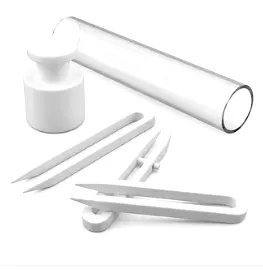
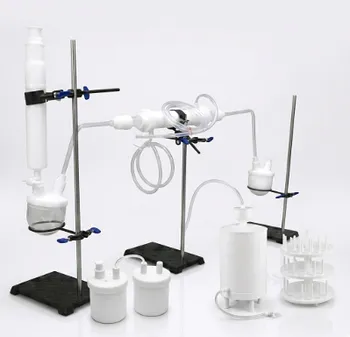
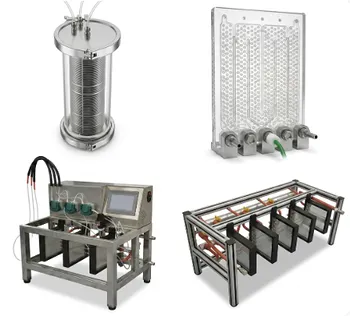
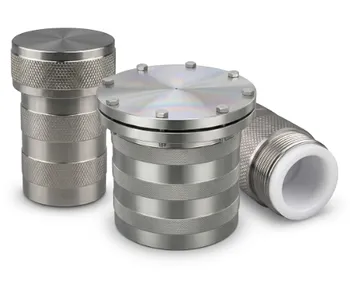
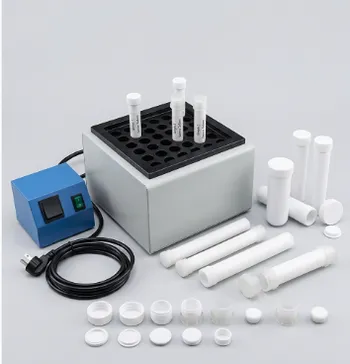
High-Purity & Trace Analysis

Custom Machining Services
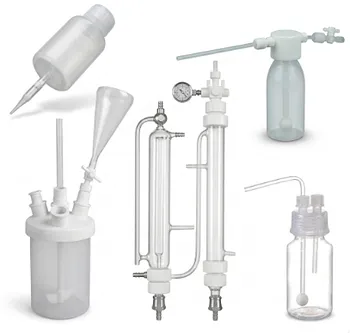
General Consumables & Seals

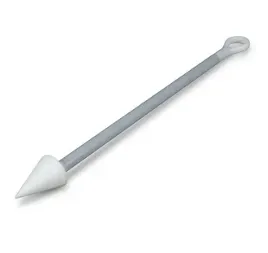
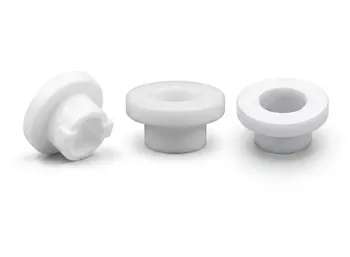
Electrochemistry & New Energy Testing
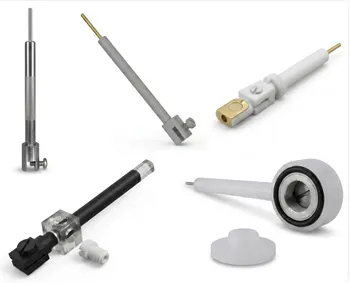
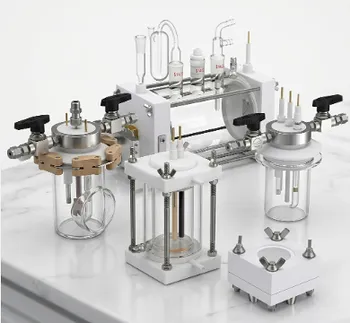




Fluid Transfer, Tubing & Valves
Products
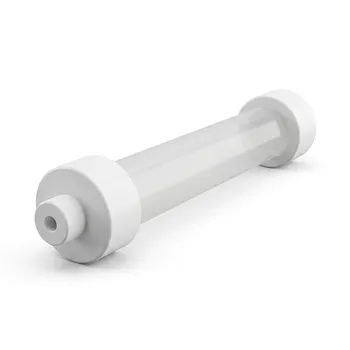
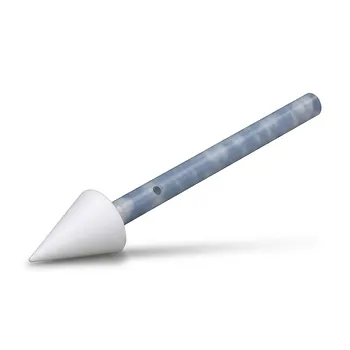

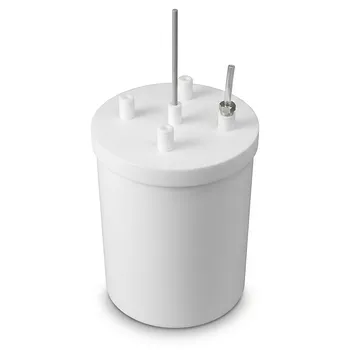
Custom PTFE Reaction Box Opaque White Square Electrochemical Cell Tank
Item Number: PL-CP279

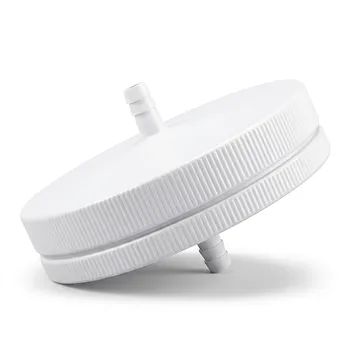

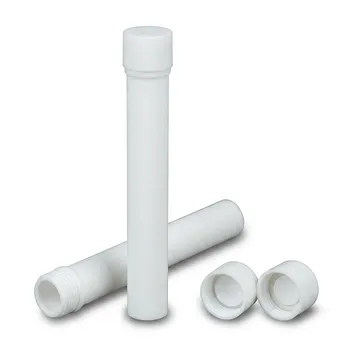

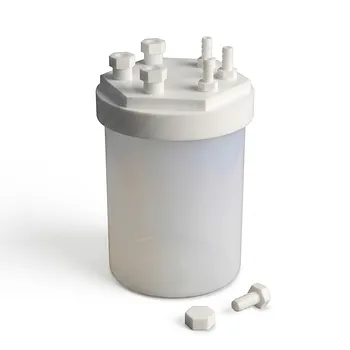

Heat Resistant Custom PTFE Laboratory Beaker for Hot Plate Heating and Trace Analysis
Item Number: PL-CP232
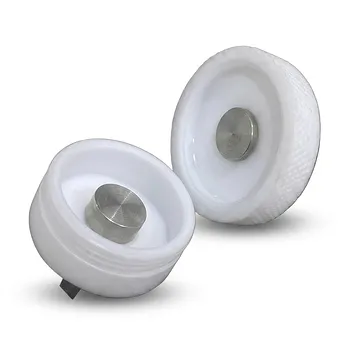

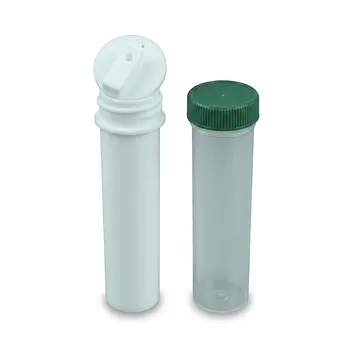



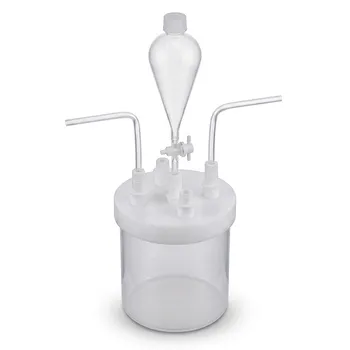

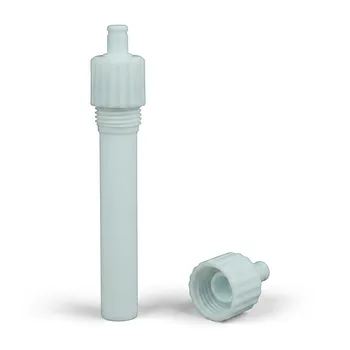
Custom PTFE Corrosion Resistant White Syringe with Threaded Luer Connector Compatibility
Item Number: PL-CP317





REQUEST A QUOTE
Our professional team will reply to you within one business day. Please feel free to contact us!
Related Articles
Why Your RDE Data Isn’t Following the Levich Equation—And How the Shroud Fixes It
Struggling with inconsistent RDE results? Learn how the precision of your PTFE shroud dictates hydrodynamic stability and why it's the key to accurate Levich plots.
Beyond the Textbook: Why Your Electrolytic Cell Needs More Voltage Than You Calculated
Discover why theoretical voltage calculations often fail in practice and how precision-engineered cell design can overcome kinetic barriers and ohmic drops.
Why Electrode Polarities Flip—And How to Ensure Your Battery Tests Never Fail
Confused by cathode and anode polarities? Learn the science behind the "flip" between galvanic and electrolytic cells and how precision hardware ensures reliable results.
Is Your Electrode Housing Corrupting Your Data? Why PTFE Jackets Are Crucial for Precise Electrochemistry
Discover why electrode housing affects data accuracy and how precision-machined PTFE jackets prevent parasitic currents and mechanical failure in research.
Why Your Labware Fails Under Thermal Stress—and the Chemistry of the One-Vessel Solution
Discover how PFA laboratory products maintain integrity from -200°C to +260°C, ensuring data accuracy in semiconductor and trace analysis applications.
Invisible Obstacles: Why Your "Clean" Labware Might Still Be Sabotaging Your Trace Analysis
Discover why traditional labware causes cross-contamination in trace analysis and how PFA's unique molecular structure provides a zero-memory solution.
The Hidden Risks of Medical Fluid Transfer: Why Standard Tubing Fails and How to Solve the Purity Puzzle
Discover why standard polymers fail in medical and pharma applications and how precision PTFE tubing ensures biocompatibility, sterilization resilience, and zero contamination.
Why Your PTFE Tubing Shouldn't Be "Melted": Understanding the Power of Paste Extrusion
Discover why PTFE requires a unique paste extrusion process rather than traditional melting, and how this impacts the quality of your laboratory fluid components.
Why Your Results Drift in Harsh Electrolytes—and the Atomic Armor That Fixes It
Discover how the molecular structure of PTFE prevents contamination and equipment failure in battery testing and chemical research, ensuring long-term data integrity.
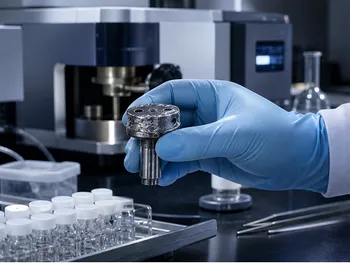
The Phantom Contaminant: Why Your Metal Rotors Are Sabotaging Your ICP-MS Results
Discover why PTFE rotors outperform metal in analytical instrumentation. Learn how to eliminate trace contamination and corrosion in ICP-MS and chemical research.
Why Your PTFE Microfluidic Chips Leak—and the Fabrication Secrets to a Perfect Seal
Stop struggling with leaky PTFE microchannels. Learn why standard bonding fails and how precision CNC machining and thermal sealing unlock chemical-resistant microfluidics.
Why Your pH Sensors Drift in Harsh Media—And the Material Science That Stops It
Stop constant sensor recalibration. Discover why ceramic junctions fail in industrial processes and how porous PTFE junctions provide a clog-resistant, low-maintenance solution.
Why Your PTFE Valves Leak at High Temperatures—and How to Master the "Creep" Factor
Discover the real-world temperature and pressure limits of PTFE valves. Learn why "cold flow" causes leaks and how precision engineering solves it.
Why Your High-Performance PTFE Seals Are Leaking—And How to Restore Their "Memory"
Discover why PTFE seals fail due to creep and cold flow, and how spring-energized designs provide the permanent resilience needed for extreme environments.
Why Standard Tubing Fails in High-Performance Systems—And How High-Precision PTFE Secures the Modern Vehicle
Discover why standard fluid lines fail in EVs and high-heat engines, and how precision PTFE engineering provides the thermal and electrical isolation required for modern automotive safety.
Why Your PTFE Liner Fails Before Its Melting Point: The Truth About Hydrothermal Temperature Limits
Discover why PTFE reactor liners fail at 220°C despite higher melting points. Learn how to choose between PTFE and PPL for safe, high-pressure synthesis.
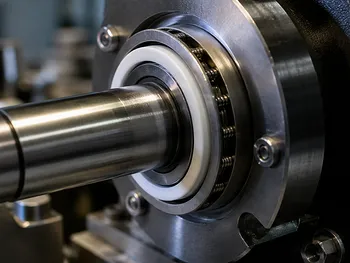
Stop Chasing Leaks: Mastering PTFE Sealing Performance Across Extreme Temperatures
Learn why PTFE seals fail at temperature extremes and how precision engineering—from spring energizers to custom CNC fabrication—ensures leak-free performance.
Why Your "Perfect" PTFE Seals Are Leaking Under Pressure—and How to Stop the Flow
Discover how PTFE fillers like glass, carbon, and bronze eliminate "cold flow" and increase wear resistance by 1000x for high-pressure industrial sealing.
Why Your Teflon Microchannel Reactor Is Fighting Your Pump—and How to Win
Inconsistent flow in PTFE microreactors isn't always a pump problem. Learn how material science dictates fluid delivery and how to achieve precision flow.
Why the "Inner-Outer" Synergy is the Secret to Flawless Hydrothermal Synthesis
Discover why the dual-structure of hydrothermal reactors is critical for safety and purity, and how precision engineering prevents common lab failures.