Ultra-high TFE purity is required because trace impurities can control both polymer chain length and process safety. For high-molecular-weight PTFE, TFE purity may need to reach approximately 99.99995%, with especially strict limits on hydrogen- or chlorine-containing telogenic impurities. Trifluoroethylene, for example, should typically be reduced below 0.2–0.3 ppm because it prematurely terminates growing polymer chains, while oxygen can initiate dangerous, uncontrolled TFE autopolymerization.
The central issue is not simply contamination of the final resin: specific impurities change the polymerization chemistry itself. Telogenic impurities reduce molecular weight and performance; oxygen creates a process-safety hazard by initiating localized polymerization and potentially explosive decomposition.
Why TFE Purity Determines Polymer Performance
High molecular weight is essential
PTFE’s chemical resistance, mechanical integrity, and durability depend strongly on achieving very high polymer molecular weight. The polymerization process must therefore allow TFE chains to grow extensively before termination.
Even minute concentrations of reactive impurities can interrupt that growth. The result is a polymer with shorter chains and potentially inferior mechanical and processing properties.
Trace impurities have an outsized effect
At concentrations measured in parts per million, an impurity may represent only a small fraction of the monomer stream. However, if it reacts with an active polymer chain, its chemical impact is much greater than its concentration alone suggests.
This is why ordinary “high-purity” specifications are insufficient for demanding PTFE production. The relevant question is not only how much impurity is present, but how strongly it interferes with chain growth or process stability.
How Telogenic Impurities Affect Polymerization
Hydrogen- and chlorine-bearing compounds act as chain-transfer agents
Telogenic impurities contain chemical groups capable of terminating a growing polymer chain or transferring its active site to another molecule. This limits chain length and changes the end groups of the resulting polymer.
In practical terms, these compounds function as chain-transfer agents: they interrupt molecular-weight development before the PTFE chains reach their intended length.
Trifluoroethylene is particularly important
Trifluoroethylene is identified as a strong chain-transfer impurity and must generally be controlled to below 0.2–0.3 ppm. At higher levels, it can cause premature chain termination and may adversely affect the polymer’s molecular weight and physical properties.
The consequence is not merely a lower purity label for the resin. Insufficient molecular weight can reduce the material’s mechanical integrity and compromise the demanding performance expected from PTFE components.
Altered end groups can affect resin quality
Chain transfer does more than shorten polymer chains. It also changes the chemical end groups formed during polymerization.
Those altered end groups can influence thermal behavior, chemical stability, extractables, and consistency from batch to batch. For high-purity laboratory applications, such changes may also increase concern about leachable or extractable substances.
How Oxygen Creates a Safety Hazard
Oxygen can initiate unwanted autopolymerization
Trace oxygen can initiate unwanted polymerization of TFE during storage or handling. Unlike controlled polymerization, this reaction may begin locally and without the intended control of the production process.
A localized reaction can generate heat faster than it can be removed. This creates a potentially self-accelerating event in the monomer system.
Local heating can trigger decomposition
The heat generated by uncontrolled TFE polymerization can trigger a more severe decomposition pathway. The reference identifies possible decomposition products including carbon and tetrafluoromethane (CF₄).
Therefore, oxygen control is both a purity requirement and a process-safety requirement. Preventing oxygen exposure helps avoid the chain of events from initiation to localized heating and hazardous decomposition.
Oxygen scavengers provide an additional safeguard
Oxygen scavengers such as alpha-pinene, Terpene B, or D-limonene may be used to suppress oxygen-driven autopolymerization during TFE storage and handling.
These materials are a handling safeguard, not a substitute for rigorous monomer purification. The process must still control oxygen ingress and maintain the required monomer specification.
Why Purity Matters in High-Purity Fluoropolymer Applications
Polymer quality affects component reliability
PTFE made from properly purified TFE can provide the high molecular weight, chemical inertness, and structural durability needed for demanding components.
These properties are important in trace-analysis vessels, digestion liners, laboratory beakers, tubing, fittings, and other fluid-handling equipment.
Contamination can become an analytical background
For trace-analysis applications, even small amounts of residual contaminants can matter. Impurities introduced during monomer synthesis or polymerization may contribute to extractables, leachables, discoloration, or inconsistent material behavior.
Ultra-pure monomer feedstock helps reduce the risk that the finished fluoropolymer will introduce an unwanted chemical background into sensitive processes.
Purity must be protected throughout production
Reaching the target purity is not only a distillation problem. Purity must be preserved during synthesis, storage, transfer, and polymerization.
Equipment, fittings, reaction vessels, and fluid paths must avoid introducing metals, organic residues, oxygen, or other contaminants after the TFE has been purified.
Understanding the Trade-offs
Scavengers improve safety but require control
Terpene-based oxygen scavengers can reduce the risk of TFE autopolymerization, but any additive used in the system must itself be controlled. Unintended residues could affect downstream purity or introduce extractables.
The correct approach is to treat scavenger selection and concentration as part of the overall process specification.
Purity targets increase process complexity
Achieving approximately 99.99995% TFE purity requires rigorous purification and tightly controlled gas handling. This increases equipment, monitoring, and operating demands compared with conventional monomer processing.
Those costs are justified when the application requires high molecular weight, low extractables, and reliable chemical performance.
Not every impurity has the same mechanism
Hydrogen- and chlorine-bearing telogens primarily affect chain growth and molecular weight. Oxygen primarily affects reaction initiation and safety.
Treating all impurities as a single generic contamination category can lead to inadequate controls because each impurity requires a response matched to its chemical effect.
How to Apply This to Your Project
Ultra-high TFE purity should be managed as both a polymer-quality requirement and a process-safety requirement.
- If your primary focus is maximum molecular weight: Control telogenic hydrogen- and chlorine-bearing impurities, especially trifluoroethylene, to below approximately 0.2–0.3 ppm.
- If your primary focus is polymerization safety: Minimize oxygen exposure and use an appropriate oxygen-scavenging strategy during TFE storage and handling.
- If your primary focus is high-purity laboratory components: Control contamination throughout synthesis and processing so the final PTFE has low extractables, strong chemical resistance, and reliable structural integrity.
- If your primary focus is consistent batch quality: Specify monomer purity, impurity limits, handling conditions, and equipment cleanliness together rather than treating purification as an isolated step.
The essential principle is simple: ultra-pure TFE preserves both the long-chain molecular structure and the controlled reaction environment required for high-performance fluoropolymers.
Summary Table:
| Impurity | Example | Impact on Polymerization | Control Limit |
|---|---|---|---|
| Telogens | Trifluoroethylene | Premature chain termination, reduced molecular weight | < 0.2–0.3 ppm |
| Oxygen | O₂ | Initiates unwanted autopolymerization, safety hazard | Minimize, use scavengers |
| Hydrogen/chlorine compounds | Various | Chain transfer, altered end groups | Strict limits as low as possible |
Elevate Your Fluoropolymer Production with Ultra-Pure TFE Components
At KINTEK, we specialize in manufacturing high-purity PTFE and PFA labware and systems, ensuring your monomer purification and handling processes maintain the stringent purity levels required for high-performance polymers. From trace-analysis vessels to custom machined parts, our products are designed to minimize contamination and enhance safety. Contact us today to see how our solutions support your ultra-high purity TFE production needs. Get in touch with our experts now!
Related Products
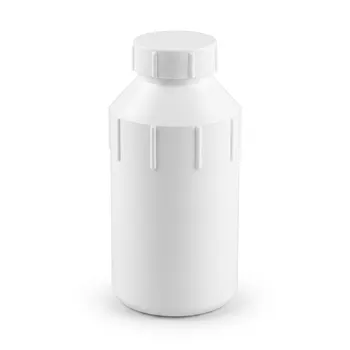
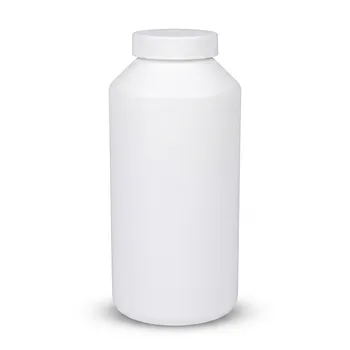
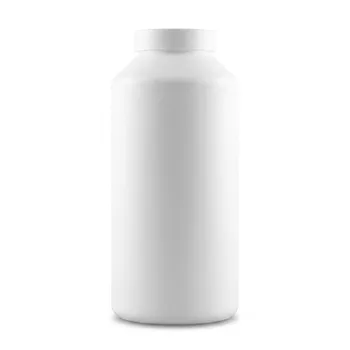
- Custom PTFE Wide Mouth Reagent Reaction Bottle Corrosion Resistant High Temperature Large Capacity Straight Body Laboratory Vessel
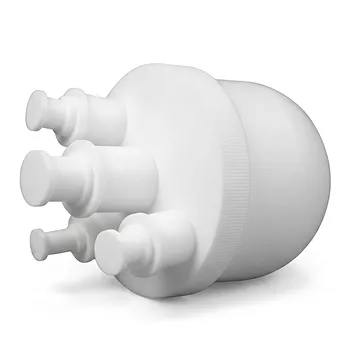
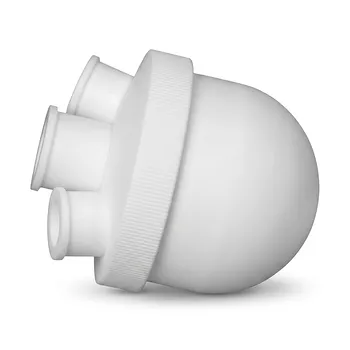
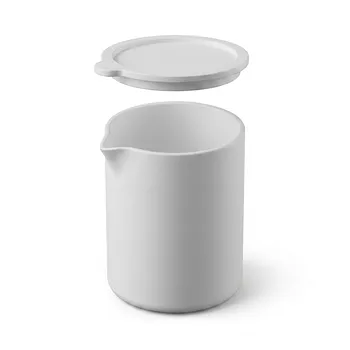
- High Purity PTFE Single Neck Reaction Flask Acid Resistant Customizable Fluoropolymer Laboratory Reactor
- Customizable PTFE Rods for Advanced Industrial Applications
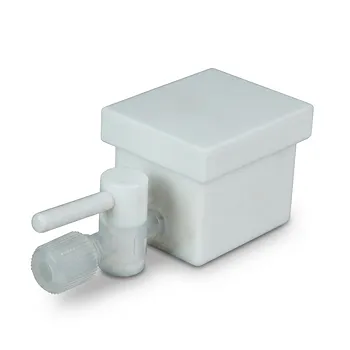
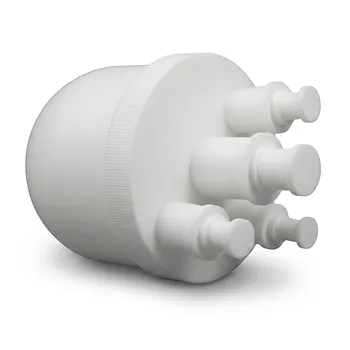
- Custom PTFE Corrosion Resistant Insulating Electrophoresis Reaction Cell with Septum and Valves for Low Background Trace Analysis
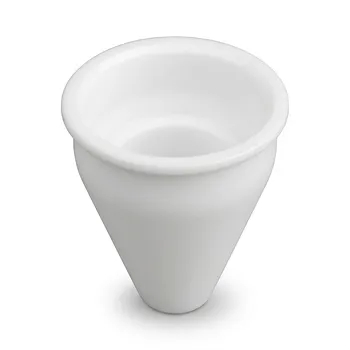
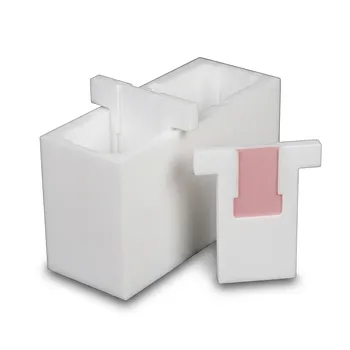
- Custom Machined PTFE Conical Sample Cell Corrosion Resistant Triangular Fluoropolymer Container for Trace Analysis
People Also Ask
- What are the key features of PTFE reagent bottles? Superior Chemical Resistance and Durability
- What are the features of PTFE laboratory bottles? Unmatched Chemical Resistance & Extreme Temperature Tolerance
- What are the advantages of using PTFE laboratory bottles? Unmatched Chemical Resistance for Critical Samples
- What are the main advantages of PTFE as a material for laboratory bottles? Superior Chemical & Thermal Resistance
- What are the advantages of the PTFE bottle's non-stick surface? Ensure Purity and Efficiency in Your Lab