CTFE monomer must be stored and shipped under complete oxygen exclusion. Both liquid and gaseous chlorotrifluoroethylene can react with even trace oxygen at ambient or low temperatures, forming hazardous organic peroxides and oxygenated by-products. These peroxides can act as unstable polymerization initiators and trigger sudden, violent autopolymerization.
The critical control is preventing oxygen from entering the CTFE system. Thoroughly purge storage and transfer equipment before filling, then maintain hermetic containment throughout storage, handling, and shipment; cooling alone does not eliminate the peroxide hazard.
Why Oxygen Exposure Is Dangerous
Trace oxygen can generate peroxides
CTFE reacts readily with oxygen, including at relatively low temperatures. The reaction can produce unstable organic peroxides as well as oxygenated compounds such as chlorodifluoroacetyl chloride and chlorotrifluoroethylene oxide.
Peroxides can initiate violent polymerization
Accumulated peroxides may behave as highly active, unstable initiators. If disturbed or exposed to conditions that promote decomposition, they can trigger rapid and violent autopolymerization of the monomer.
This means that oxygen contamination is not merely a product-quality issue; it can create a serious storage and process-safety hazard.
Required Storage and Handling Controls
Exclude oxygen before filling
Storage vessels, cylinders, lines, and transfer assemblies must be thoroughly purged to remove all traces of oxygen before CTFE is introduced.
The purge procedure and acceptance criteria should be established by the responsible process-safety and chemical-handling specialists. A vessel that has only been partially purged should not be treated as safe for CTFE service.
Prevent oxygen ingress during storage
After purging and filling, the system must remain hermetically sealed. Prevent air entry through loose fittings, defective valves, leaking seals, sampling operations, or improperly connected transfer equipment.
Storage and shipping systems should be checked for leak tightness and maintained so that the oxygen-free condition is preserved for the entire storage period.
Use chemically compatible equipment
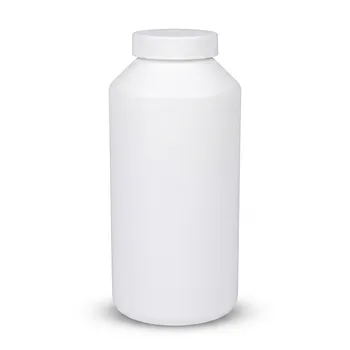
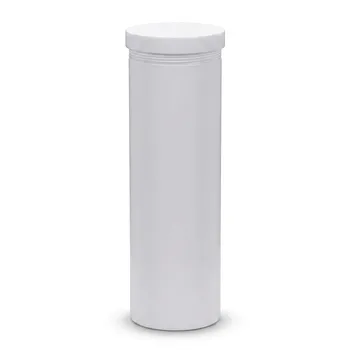
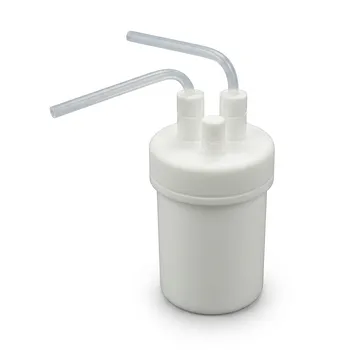
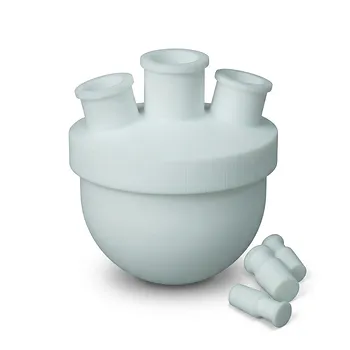
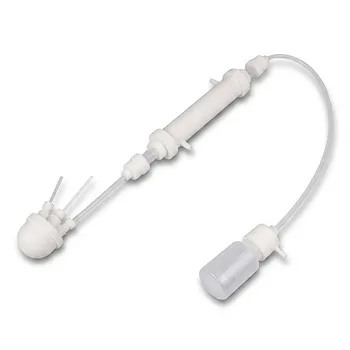
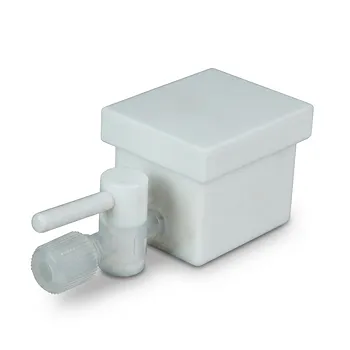
Transfer components, valves, seals, and containers must be selected for compatibility with CTFE and its potential reaction products. Fluoropolymer components such as PFA containers and PTFE valve assemblies may be appropriate where validated for the specific service.
Their value is not that they eliminate the peroxide reaction by themselves. Their value is that compatible, low-reactivity components can support a sealed system and reduce contamination or material incompatibility risks.
Control transfers and sampling
Every connection, transfer, and sampling operation creates a potential route for oxygen ingress. Use procedures and equipment designed to keep the system closed and oxygen-free rather than repeatedly opening the container to the atmosphere.
Personnel should follow the applicable SDS, site procedures, pressure-control requirements, and emergency instructions for CTFE service.
Conditions That Do Not Make CTFE Safe
Cooling is not a substitute for oxygen exclusion
CTFE can react with oxygen at ambient and low temperatures. Refrigeration or other cooling may be part of an approved storage system, but it does not remove the fundamental peroxide-formation hazard.
A sealed container is safe only if it is oxygen-free
Simply closing a container is insufficient if oxygen was already present inside it. The container must first be properly purged, and its closure system must prevent subsequent air ingress.
Do not assume no visible change means no hazard
Peroxide contamination and oxygenated by-products may not be apparent from visual inspection. Absence of discoloration, precipitation, or other obvious signs should not be used as proof that CTFE is free of hazardous peroxide species.
Understanding the Trade-offs
Hermetic containment complicates routine handling
Oxygen exclusion requires closed transfers, specialized connections, leak testing, and disciplined operating procedures. These measures add complexity, but they are necessary because ordinary atmospheric handling can reintroduce the initiating contaminant.
Fluoropolymer equipment is not a complete safety system
PFA and PTFE may provide useful chemical inertness and compatibility, but they do not compensate for poor purging, leaking valves, unsuitable pressure control, or uncontrolled polymerization conditions.
Equipment selection must therefore be integrated with oxygen-control procedures, inspection, maintenance, and emergency planning.
Suspect material requires specialist assessment
If oxygen ingress is suspected, or if CTFE has been stored in a vessel that was not adequately purged, do not casually open, transfer, heat, or otherwise disturb it. Isolate the system if safe to do so and obtain an evaluation from qualified chemical-safety or process-safety personnel using the supplier’s current guidance.
How to Apply This to Your Storage System
Use the following principles when establishing or reviewing CTFE storage and shipping procedures:
- If your primary focus is peroxide prevention: Thoroughly purge all storage and transfer equipment of oxygen before filling and maintain a hermetically sealed, leak-tight system.
- If your primary focus is equipment selection: Use materials and valve assemblies validated for CTFE service, with compatible fluoropolymer components where appropriate.
- If your primary focus is temperature control: Treat cooling as a supporting measure only; it must never replace complete oxygen exclusion.
- If your primary focus is suspected contamination: Stop routine handling and obtain qualified specialist guidance before opening, transferring, heating, or disturbing the material.
For CTFE monomer, disciplined oxygen exclusion is the central requirement for preventing hazardous peroxide formation and violent polymerization.
Summary Table:
| Precautions | Key Actions |
|---|---|
| Oxygen Exclusion | Purge all equipment to remove traces of oxygen before filling; maintain hermetic seal during storage and transfer. |
| Storage Conditions | Keep container sealed and leak-tight; use compatible materials like PFA/PTFE for components. |
| Transfer & Sampling | Use closed systems to prevent air ingress; follow SDS and site procedures. |
| Monitoring & Assessment | Test for oxygen contamination; if suspected, isolate and consult specialists. |
Ensure the safety of your CTFE storage with high-quality fluoropolymer equipment from KINTEK. Our PTFE and PFA labware, valves, and fittings are designed for chemical compatibility and reliability, supporting your oxygen-exclusion protocols. Contact our specialists today to optimize your storage systems and maintain a safe laboratory environment. Contact us now.
Related Products
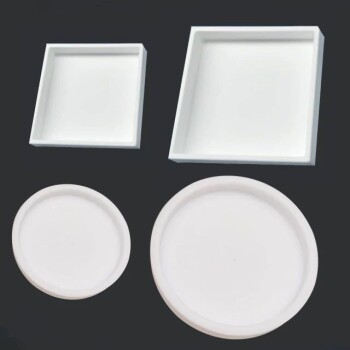
- Custom PTFE Petri Dishes Corrosion Resistant High Purity Low Background Labware
- Custom PTFE Petri Dish 30mm Corrosion Resistant Low Background Non Leaching Laboratory Ware
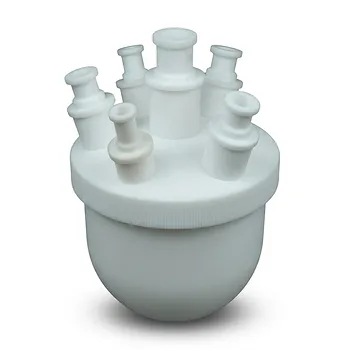
- Custom Multi Neck PTFE Round Bottom Flask for Chemical Synthesis and High Purity Laboratory Research
- Laboratory PTFE Three Neck Reaction Flask Corrosion Resistant 2000ml Low Background Fluoropolymer Vessel
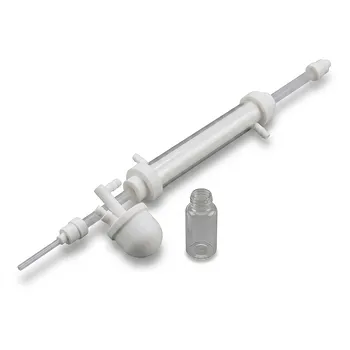
- Corrosion Resistant PTFE Small Reaction Bottle One Piece Molded Teflon Sample Storage Tank
People Also Ask
- Why are PTFE or PFA Petri dishes preferred for membrane casting? Ensure Damage-Free Recovery & Chemical Purity
- What customization options are available for PTFE materials? Tailor Performance for Your Application
- What chemical reactivity properties must be considered when utilizing PTFE labware and custom fluoropolymer components in contact with reactive metal powders? Key safety insights for high-purity applications.
- How does PTFE minimize sample contamination? Ensure Unmatched Purity for Critical Analyses
- What are the chemical resistance properties of PTFE labware? The Ultimate Guide to Inert Labware