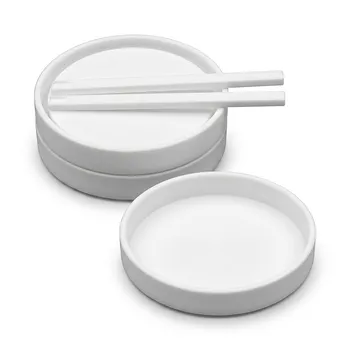
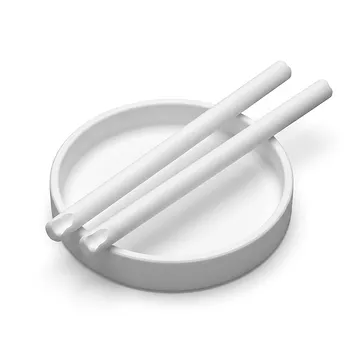
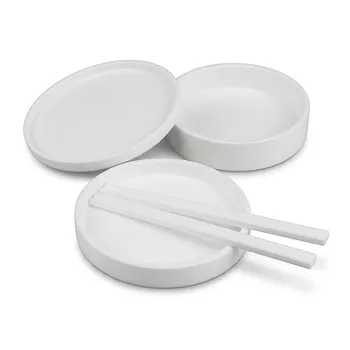
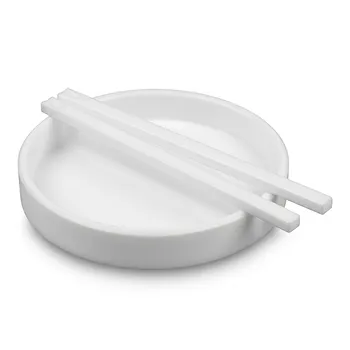
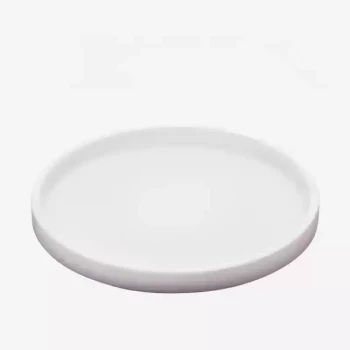
The selection of casting molds is a critical factor in the success of membrane fabrication. Fluoroplastic materials like PTFE (polytetrafluoroethylene) and PFA (perfluoroalkoxy) are preferred because their extremely low surface energy creates a "non-stick" environment that allows for the damage-free removal of dried membranes. Additionally, their superior chemical stability ensures that aggressive solvents do not erode the mold or leach impurities into the delicate membrane structure.
Core Takeaway: PTFE and PFA Petri dishes act as the gold standard for membrane casting by providing a chemically inert, low-friction substrate. This combination prevents mechanical tearing during peeling and ensures the chemical purity of the final mixed matrix membrane.
The Impact of Low Surface Energy on Membrane Recovery
Preventing Adhesion and Tearing
The primary advantage of fluoroplastics is their extremely low surface energy, which prevents the polymer solution from forming strong bonds with the mold walls. As the solvent evaporates and the film solidifies, the membrane remains "self-supporting" rather than adhering to the substrate.
Ensuring Smooth Peeling
Because the material is naturally non-stick, researchers can peel the dried membrane off the mold surface completely and smoothly. This eliminates the need for additional chemical or thermal treatments to release the film, which could otherwise damage the membrane’s delicate surface structure.
Maintaining Surface Uniformity
A smooth, low-energy surface promotes a more uniform distribution of the casting solution. This results in a final membrane with consistent thickness and surface smoothness, which is vital for the predictable performance of ternary polymer electrolytes and other hybrid membranes.
Chemical Stability and Material Purity
Resistance to Aggressive Solvents
Mixed matrix membrane casting often involves harsh reagents or solvents, such as acetic acid. Fluoroplastics are almost entirely chemically inert, meaning they will not swell, dissolve, or degrade when exposed to these chemicals during the drying process.
Eliminating Leachable Impurities
Unlike standard plastics or glass, high-purity fluoropolymers like PFA have extremely low levels of extractables. This ensures that no foreign chemical components migrate from the Petri dish into the membrane, maintaining the integrity of the experimental materials.
Reducing Cross-Contamination
The same properties that make these materials non-stick also prevent the adsorption of molecules onto the mold itself. This minimizes the risk of sample carryover or cross-contamination between different batches of membranes.
Understanding the Trade-offs
Cost and Economic Investment
Fluoroplastic labware is significantly more expensive than glass or disposable polystyrene Petri dishes. This higher initial cost must be weighed against the longevity of the molds and the high value of the membranes being produced.
Wetting and Spreading Challenges
The "non-stick" nature that makes peeling easy can sometimes make it difficult for certain casting solutions to wet the surface evenly. If the solution's surface tension is too high, it may bead up rather than spreading into a uniform film, requiring careful solvent selection.
Thermal Conductivity Considerations
Fluoroplastics have different thermal properties than glass or metal. During solvent evaporation in an oven, the heating rate of the casting solution may differ, which could subtly influence the morphology of the forming membrane.
How to Apply This to Your Project
When selecting a casting substrate for membrane development, consider your specific experimental priorities:
- If your primary focus is Structural Integrity: Use PTFE Petri dishes to ensure that large-area, self-supporting membranes can be removed without any mechanical stress or tearing.
- If your primary focus is Chemical Purity: Opt for high-purity PFA containers to eliminate the risk of leachable contaminants affecting ultra-sensitive materials or LC-MS/MS results.
- If your primary focus is Solvent Resistance: Select fluoroplastics whenever your casting solution involves aggressive organic acids or polar solvents that would erode traditional plastic molds.
By aligning your mold material with the chemical and physical requirements of your polymer solution, you ensure a high-quality, reproducible membrane fabrication process.
Summary Table:
| Feature | Advantage for Membrane Casting | Key Benefit |
|---|---|---|
| Low Surface Energy | Non-stick surface properties | Prevents mechanical tearing during peeling |
| Chemical Inertness | Resistance to aggressive solvents | Prevents mold erosion and sample contamination |
| High Purity | Negligible extractables/leachables | Maintains the integrity of delicate polymer structures |
| Thermal Stability | Consistent performance in ovens | Allows for controlled solvent evaporation cycles |
Elevate Your Membrane Fabrication with KINTEK Precision
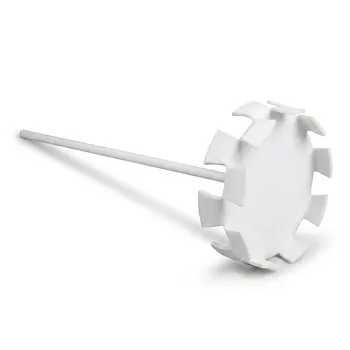
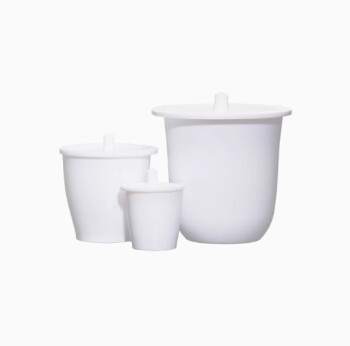
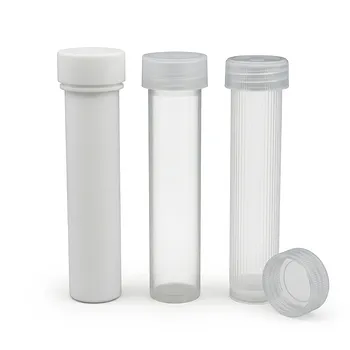
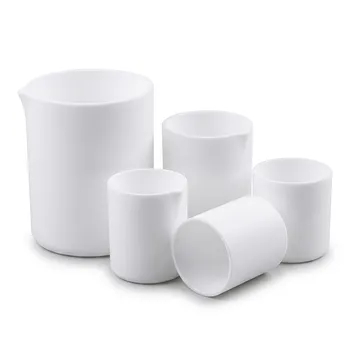
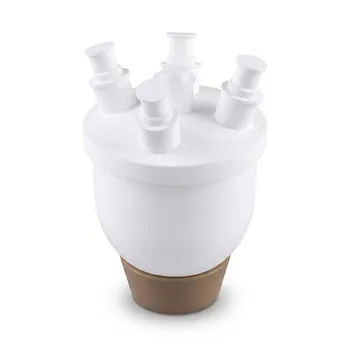
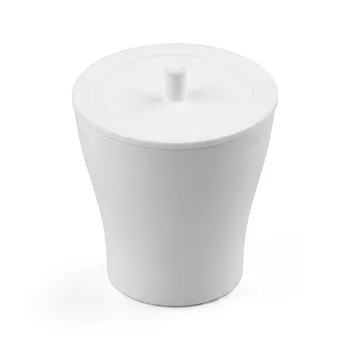
Don't let subpar molds compromise your research. KINTEK specializes in high-performance fluoropolymer solutions tailored for the most demanding laboratory environments. From everyday basics like PTFE/PFA Petri dishes, beakers, and reagent bottles to complex custom CNC-fabricated reaction apparatus and electrochemical cells, we provide the inert, non-stick tools you need for success.
Whether you require high-volume standard consumables or a bespoke laboratory setup designed for unique fluid transfer or sample prep, our end-to-end manufacturing ensures absolute focus on quality and material purity.
Ready to optimize your lab's performance? Contact us today to discuss your custom fluoropolymer requirements and see how KINTEK’s expertise can streamline your membrane development process.
References
- Paula S. Pacheco, Daniel Eiras. Fabrication of Morphology-Tailored ZIF-67/Polyether- <i>b</i> -Amide Mixed Matrix Membranes via CTAB-Assisted Hydrothermal Synthesis for CO <sub>2</sub> and CO <sub>2</sub> /N <sub>2</sub> Separation. DOI: 10.1021/acsomega.5c06995
This article is also based on technical information from Kintek Knowledge Base .
Related Products
- Custom PTFE Petri Dish 90mm Diameter Corrosion Resistant Low Background High Purity Labware
- Custom PTFE Petri Dish 120mm Diameter Corrosion Resistant Low Background High Purity Labware
- Custom Polytetrafluoroethylene PTFE Petri Dishes 60mm Corrosion Resistant Low Background Labware
- Custom PTFE Petri Dish 30mm Corrosion Resistant Low Background Non Leaching Laboratory Ware
- Custom PTFE Petri Dishes Corrosion Resistant High Purity Low Background Labware
People Also Ask
- What material is used to mold PTFE labware? The Critical Role of Pure PTFE Resin
- What are the medical and laboratory equipment uses of PTFE? Unlock Biocompatibility and Chemical Resistance
- What types of labware or tools are commonly made from PTFE? Essential Chemically-Resistant Equipment for Your Lab
- What are the considerations for choosing PTFE or glass for Bi2O3/CeO2 synthesis? Ensure Purity and Precision.
- What types of PTFE labware are commonly available? Find the Right Tools for Your Lab