For ultra-high-purity PTFE resin synthesis, passivated stainless-steel reactors and validated, low-contamination cleaning cycles are essential. New or repolished 316 stainless-steel reactor interiors should be treated with a 20%–40% aqueous nitric acid solution at approximately 70°C for 30 minutes, then thoroughly rinsed and boiled with high-purity water. Between batches, reactor walls, vent lines, and rupture discs should be cleaned with high-pressure deionized water, using a small amount of compatible organic acid only when polymer adhesion remains.
Ultra-high purity depends on controlling both metallic contamination from reactor surfaces and organic or ionic residues from previous batches. Passivation establishes a protective chromium-oxide surface, while validated batch-to-batch cleaning prevents iron, degraded polymer, surfactants, and salts from entering the next resin lot.
Why Reactor Passivation Is Necessary
Removing Iron Contamination
Stainless-steel surfaces can retain free iron and other metallic residues after fabrication, welding, machining, repolishing, or prolonged process exposure. If these contaminants remain, they can enter the resin as trace inorganic impurities or interfere with sensitive analytical applications.
Nitric acid passivation dissolves surface iron contaminants and promotes regeneration of the protective chromium-rich oxide layer on the stainless steel.
Protecting the Product From Metallic Leaching
Passivation reduces the likelihood that reactor surfaces will contribute iron or other metallic species during polymerization and subsequent washing steps. This is particularly important for PTFE used in trace-analysis vessels, digestion tubes, fluid-handling components, and reaction vessels.
The reactor should be constructed from 316 stainless steel or a higher-grade, suitably qualified material, with the passivation procedure verified against the actual equipment geometry and process conditions.
Required Initial Passivation Protocol
Nitric Acid Treatment
For a new or repolished reactor interior, circulate or otherwise apply a 20%–40% aqueous nitric acid solution at approximately 70°C for 30 minutes.
The treatment must contact the relevant product-contact surfaces uniformly, including areas around welds, fittings, ports, and other locations where fabrication residues can remain.
High-Purity Rinsing
After nitric acid treatment, rinse the reactor thoroughly with high-purity water until residual acid and dissolved contaminants are removed. The rinse water should be suitable for high-purity polymer processing; water with resistivity approaching 18 MΩ·cm is an appropriate reference for ultra-pure process water.
Boiling Water Step
The passivated interior should then be boiled with high-purity water. This step helps remove remaining soluble residues and conditions the surface before it is returned to polymerization service.
The endpoint should be defined by a documented rinse and cleanliness verification method rather than by visual inspection alone.
Batch-to-Batch Cleaning Protocol
High-Pressure Deionized-Water Wash
After each production batch, wash the reactor walls with high-pressure deionized water to remove polymer adhesions and process residues. The same cleaning attention must be given to vent lines and safety rupture discs because these areas can retain degraded polymer or dried solids.
Cleaning should cover all product-contact and vapor-contact surfaces that could shed material into a subsequent batch.
Targeted Organic-Acid Treatment
If water alone does not remove adhered polymer, a small amount of citric, acetic, or formic acid may be used as a targeted cleaning treatment. The selected acid, concentration, temperature, and contact time should be qualified for the equipment and process.
The intent is to loosen or remove polymer residue without introducing a new source of ionic or organic contamination.
Final Rinse and Inspection
Following any acid treatment, rinse thoroughly with high-purity deionized water. The reactor should not return to service until cleaning-agent residues, loosened polymer, and visible particles have been removed.
A documented inspection and rinse-quality check should support batch release of the equipment for the next synthesis cycle.
Control the Other Contamination Sources
Use High-Purity Process Water
Water quality directly affects the inorganic background of the process. High-purity water minimizes the introduction of dissolved metal ions, salts, and other species that can remain in the resin or interfere with downstream concentration and washing.
Process water should be monitored according to the facility’s contamination-control program rather than assumed to remain within specification.
Limit Organic Residues
Emulsion polymerization can leave surfactant residues in the polymer, particularly when older perfluorinated carboxylic ammonium salts such as APFO or PFOA are used. These residues can leach from finished labware and create background interference in trace analysis.
For laboratory-grade fluoropolymers, the resin and polymerization route should be selected for low extractables, using qualified alternative surfactants or granular suspension polymerization where appropriate.
Minimize Ionic Residues During Concentration
Concentrating PTFE dispersions can also concentrate unwanted salts. Raw dispersions may contain approximately 10%–45% solids, while commercial products may require higher solids levels.
Concentration methods using volatile electrolytes, such as ammonium carbonate, can reduce persistent non-volatile salt residues. This helps protect both electrical properties and the extractables profile of the finished fluoropolymer.
Understanding the Trade-offs
Nitric Acid Requires Process Control
Nitric acid is effective for stainless-steel passivation, but it is hazardous and must be handled with appropriate containment, ventilation, compatible materials, and validated neutralization and disposal procedures.
Overly aggressive or poorly controlled treatment can damage unsuitable components or create additional residues. The procedure should therefore specify acid concentration, temperature, contact time, coverage, rinsing, and acceptance criteria.
Water Cleaning May Not Remove All Deposits
High-pressure deionized water is the preferred routine cleaning method, but heavily adhered or degraded polymer may require an acid-assisted step. Using acid unnecessarily can increase the risk of chemical residue and complicate cleaning validation.
A practical protocol uses water cleaning as the normal cycle and reserves citric, acetic, or formic acid for documented cases where polymer adhesion persists.
Surface Passivation Does Not Control Resin Chemistry
A clean reactor cannot compensate for contaminated monomers, surfactants, process water, or concentration chemicals. Reactor passivation must be part of a broader contamination-control system covering raw materials, polymerization, washing, concentration, drying, and final product testing.
Etching Is a Separate Operation
Cleaning protocols for chemically etched PTFE components should not be confused with reactor passivation or routine PTFE synthesis cleaning. Etching may require alcohol deactivation, chlorine-free hot-water rinsing, mild acetic-acid washing, and controlled drying, but those steps apply to bonding preparation rather than resin-production equipment.
How to Apply This to Your Process
The protocol should be adapted to the equipment, polymerization route, and required extractables specification, then documented as a repeatable cleaning validation procedure.
- If your primary focus is reactor cleanliness: Passivate new or repolished 316 stainless-steel interiors with 20%–40% nitric acid at approximately 70°C for 30 minutes, followed by thorough high-purity-water rinsing and boiling.
- If your primary focus is batch-to-batch consistency: Use high-pressure deionized water on reactor walls, vent lines, and rupture discs after every batch, adding a qualified citric, acetic, or formic acid treatment only when necessary.
- If your primary focus is trace-analysis labware: Control water quality, surfactant selection, ionic residues, and resin extractables in addition to maintaining passivated equipment.
- If your primary focus is electrical or chemical purity: Minimize non-volatile salts and verify that finished PTFE or PFA meets defined leachables, ionic contamination, and particulate limits.
Ultra-high-purity PTFE begins with passivated equipment, continues through disciplined cleaning and materials control, and is demonstrated through validated contamination testing.
Summary Table:
| Protocol | Purpose | Key Steps |
|---|---|---|
| Initial Passivation | Remove iron and form protective oxide layer | Treat with 20%-40% nitric acid at 70°C for 30 min; rinse and boil with high-purity water |
| Batch-to-Batch Cleaning | Remove polymer residues | High-pressure deionized water wash; use citric, acetic, or formic acid only if needed |
| Final Rinse & Inspection | Ensure no residues remain | Rinse with high-purity water; document cleanliness verification |
Ensure the highest purity in your PTFE labware with KINTEK's premium fluoropolymer products, crafted for minimal extractables and superior performance. Contact us today to discuss your custom requirements and benefit from our end-to-end CNC machining capabilities. Get in touch to elevate your trace analysis and high-purity applications!
Related Products
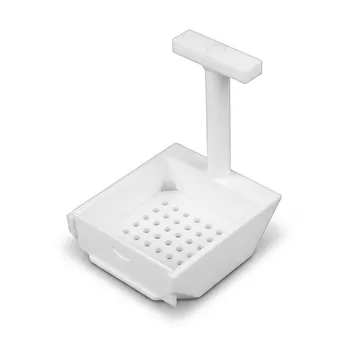
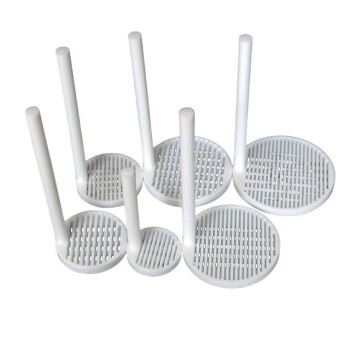
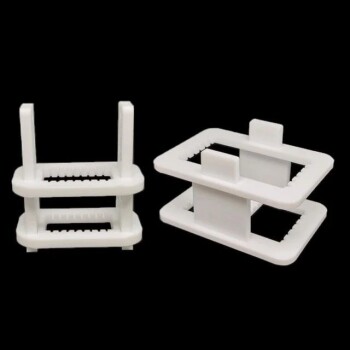
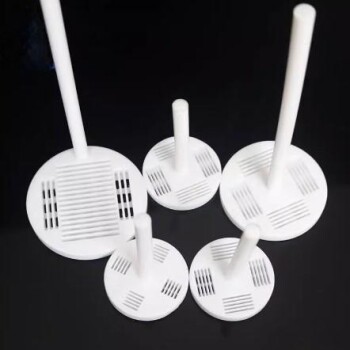
- Custom PTFE Flower Basket Cleaning Support Corrosion Resistant Low Background Wafer Carrier for Advanced Polymer Research
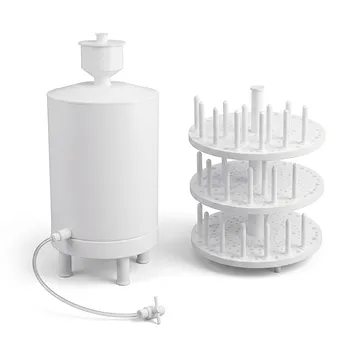
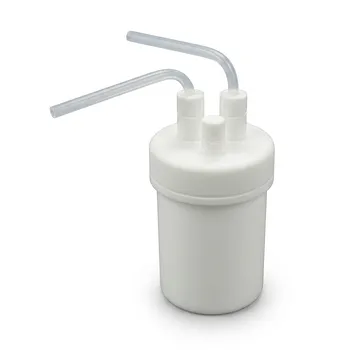
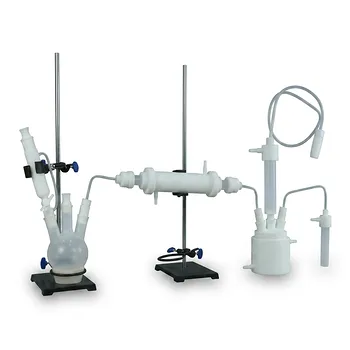
- High Purity Corrosion Resistant PTFE Acid Reflux Cleaning System for Laboratory Trace Analysis
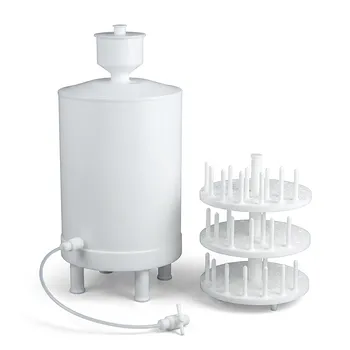
- PTFE Acid Steam Cleaning System HF Resistant Trace Analysis Beaker Digestion Tank Customizable
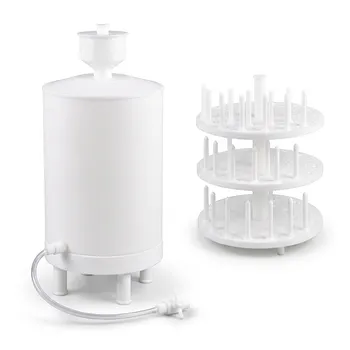
- High Purity PTFE Acid Steam Cleaning System Trace Analysis Labware Decontamination Unit with Leak Proof Closed Reflux Technology and Customizable Multi Position Capacity
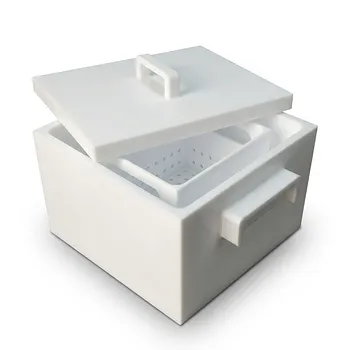
- High Purity PTFE Overflow Pickling Tank Integrated Seamless Polytetrafluoroethylene Laboratory Cleaning Sink
People Also Ask
- What is the continuous service temperature range for PTFE laboratory cleaning baskets? Durable Lab Solutions Explained
- What advantages do PTFE flower baskets provide for the photovoltaic and solar energy industry? Boost Cell Efficiency
- What is the primary function and application of a PTFE flower basket? Expert Guide to High-Purity Processing
- What is the working principle of a PTFE flower basket? Optimize Fluid Flow and Purity for Chemical Immersion
- How does the structural design of a PTFE flower basket ensure uniform fluid access to substrates? Optimize Lab Yields