The performance limits of PTFE connectors are determined by a complex interaction between material composition, mechanical design, and environmental stressors. Specifically, the pressure and temperature ratings depend on the fitting's physical construction, the grade of PTFE resin used, and the specific dimensions of the associated tubing. Because PTFE loses mechanical strength as heat increases, these ratings are not static and must be derated for elevated temperature service.
Core Takeaway: PTFE connector ratings are dynamic values influenced by the material's inherent susceptibility to thermal softening and creep. Ensuring system integrity requires balancing the chemical resistance of the polymer against the mechanical support provided by the fitting design and any added reinforcements.
The Influence of Material Composition and Grade
The Impact of Resin Types and Manufacturing
The base PTFE resin—whether granular, fine powder, or presintered—dictates the initial property profile of the connector. Granular resins are typically used for compression molding, while fine powders are preferred for extruded tubing, each offering different levels of structural density and strength.
Fillers and Material Reinforcement
Adding fillers such as glass, carbon, or aramid fibers can significantly enhance a connector’s resistance to deformation and "cold flow." These additives improve the material's ability to maintain a seal under high pressure, especially at temperatures where pure PTFE would otherwise soften.
Chemical Aggressiveness of the Media
The specific chemicals being transported can alter the thermal stability and mechanical integrity of the PTFE. While PTFE is famously inert, certain aggressive media can interact with fillers or cause subtle changes in the polymer matrix, effectively lowering the safe operating ceiling for pressure and temperature.
Mechanical Design and Structural Factors
Fitting Construction: All-PTFE vs. Hybrid Designs
All-PTFE bodies offer maximum chemical purity but generally have lower pressure ratings than metal-bodied fittings with PTFE wetted parts. Metal-bodied connectors use the strength of the external housing to contain pressure, relying on the PTFE only for chemical isolation and sealing.
Tubing Specifications and Wall Thickness
The inner and outer diameters, as well as the wall thickness of the connected tubing, are fundamental to the system's pressure capacity. Thicker walls or reinforced tubing (such as braided designs) allow for much higher operational pressures by preventing the tubing from bursting or collapsing under load.
Seal Geometry and Heat Dissipation
The physical shape of the seal influences how effectively heat is dissipated away from critical contact points. In dynamic applications, poor geometry can lead to localized "hot spots," where friction-induced heat further reduces the material's pressure-bearing capacity.
Operational Stressors and Thermal Dynamics
Temperature-Induced Pressure Derating
As temperature rises, the mechanical strength of PTFE decreases, necessitating a "derating" of the pressure limit. A connector rated for several hundred bar at room temperature will have a significantly lower capacity at its maximum operating temperature, which typically tops out near 204°C (400°F).
Thermal Cycling and Material Creep
Repeated heating and cooling cycles can cause the PTFE to expand and contract, potentially leading to leaks if the fitting design does not account for material creep. Specialized components, such as Belleville washers, are often integrated into valve designs to maintain constant live-loading and compensate for this movement.
Static vs. Dynamic Pressure Loads
System pressure significantly influences the temperature profile of PTFE seals, particularly in dynamic environments. Fluctuating or "pulsing" pressures increase the stress distribution across the material, which can exacerbate temperature spikes and lead to premature seal failure.
Understanding the Trade-offs
Chemical Purity vs. Mechanical Strength
The primary trade-off in PTFE connector selection is the balance between total chemical inertness and structural robustness. Utilizing 100% virgin PTFE provides the highest purity for sensitive applications but necessitates much lower pressure limits and more frequent inspections for creep-related issues.
Cost vs. Longevity in High-Heat Scenarios
While standard PTFE is cost-effective, high-temperature applications often require expensive fillers or complex hybrid designs (like PTFE-aramid packing). Choosing the lower-cost, non-reinforced option in high-heat or high-pressure environments often results in a higher total cost of ownership due to frequent leaks and system downtime.
Guidelines for Optimizing Connector Performance
How to Apply This to Your Project
To ensure the safety and longevity of your fluid system, you must align your connector choice with the most extreme potential operating conditions of your application.
- If your primary focus is Maximum Chemical Purity: Opt for all-PTFE fitting bodies but strictly adhere to lower pressure limits and avoid high-temperature extremes.
- If your primary focus is High-Pressure Durability: Utilize metal-bodied fittings with PTFE wetted parts and consider reinforced tubing to prevent structural failure.
- If your primary focus is High-Temperature Cycling: Select fittings that incorporate live-loading features, such as Belleville washers, to compensate for material creep and thermal expansion.
By accurately derating pressure limits based on the anticipated temperature profile, you can maintain a leak-free environment without compromising the unique chemical advantages of PTFE.
Summary Table:
| Influence Category | Key Factor | Impact on Rating |
|---|---|---|
| Material Composition | Resin Type & Fillers | Glass or carbon fillers significantly increase resistance to creep and high-heat deformation. |
| Mechanical Design | Hybrid vs. All-PTFE | Metal-bodied fittings provide higher pressure containment than 100% PTFE constructions. |
| Tubing Specs | Wall Thickness | Thicker or reinforced tubing walls allow for much higher burst pressure and operational loads. |
| Thermal Dynamics | Temperature Derating | Mechanical strength decreases as heat rises; ratings must be lowered for high-temp service. |
| Operational Stress | Thermal Cycling | Repeated expansion/contraction requires live-loading (e.g., Belleville washers) to prevent leaks. |
Optimize Your Fluid System Performance with KINTEK Expert Solutions
Don’t let material creep or thermal softening compromise your critical laboratory processes. KINTEK provides the high-performance engineering required to balance chemical purity with structural integrity. From everyday basic labware (beakers, measuring cylinders, crucibles, and reagent bottles) to comprehensive fluid transfer components like high-precision PTFE and PFA fittings, valves, and tubing, we ensure your setup meets the most demanding pressure and temperature specifications.
Our capabilities extend to advanced reaction apparatus, including custom electrochemical cells, battery testing fixtures, and microwave digestion vessels. Backed by end-to-end custom CNC fabrication, KINTEK is equipped to deliver everything from complex non-standard machined parts to high-volume orders, maintaining an exclusive focus on high-performance fluoropolymers.
Ready to upgrade your lab’s durability? Contact our technical team today for bespoke solutions and high-purity laboratory supplies!
Related Products
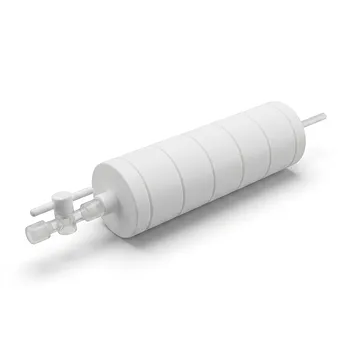
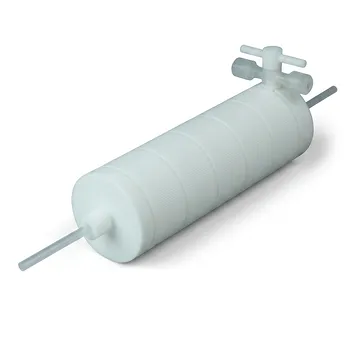
- PTFE Corrosion Resistant Filter with PFA Valve Connections and Integrated Sieve Plate
- High Purity PTFE Filter with PFA Valve Connections and Integrated Sieve Plate for Corrosive Fluid Processing
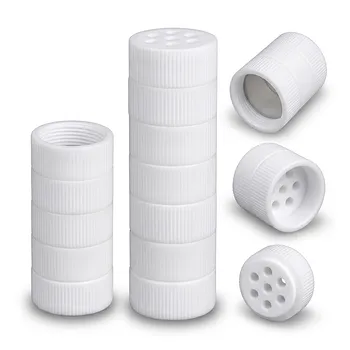
- Corrosion Resistant PTFE Multi Layer Sieve with Threaded Connections for Bio Chemical Laboratory Extraction and Customizable Mesh Size
- Custom PTFE Corrosion Resistant White Syringe with Threaded Luer Connector Compatibility
- High Temperature Resistant PTFE White Screw Plugs Custom T Shaped Sealing Hole Stoppers Waterproof Dustproof Chemical Inert Laboratory Fasteners
People Also Ask
- What sizes and pore options are available for PTFE filters? Choose the Right Filter for Your Application
- What steps are involved in selecting the proper PTFE filter? A 4-Step Guide to Optimal Filtration
- Which chemicals are fully compatible with PTFE filters? Discover Unmatched Chemical Resistance
- What temperature resistance do PTFE filters offer? Unmatched Thermal Stability from -200°C to +260°C
- How does the hydrophobicity of PTFE filters benefit their use? Ensure Uninterrupted Gas Flow and Solvent Filtration