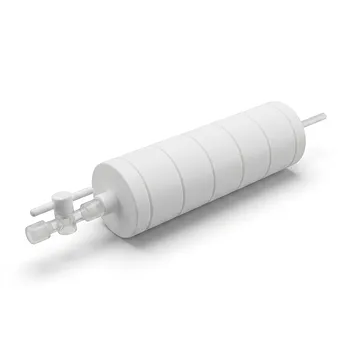
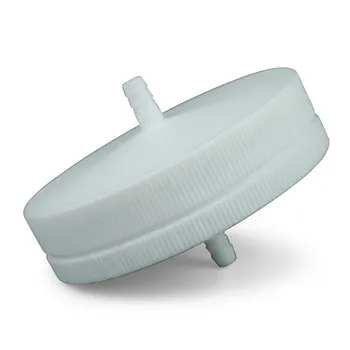
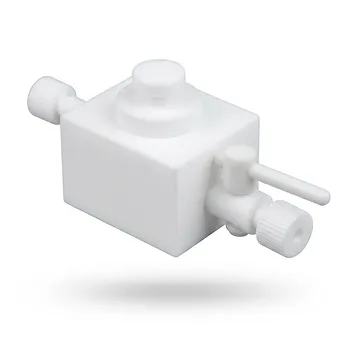
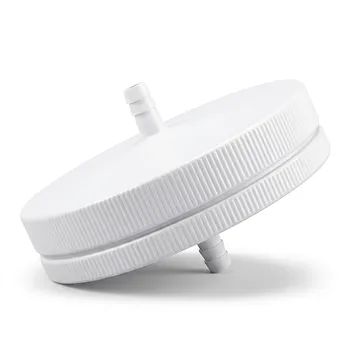
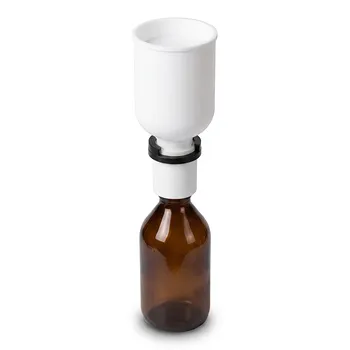
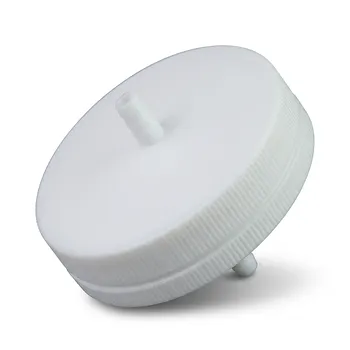
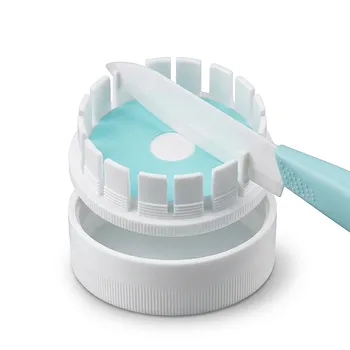
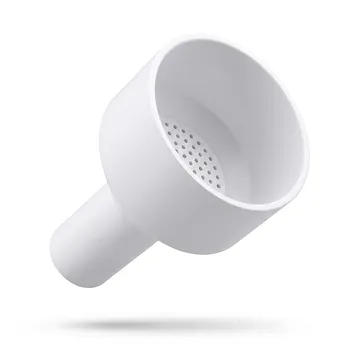
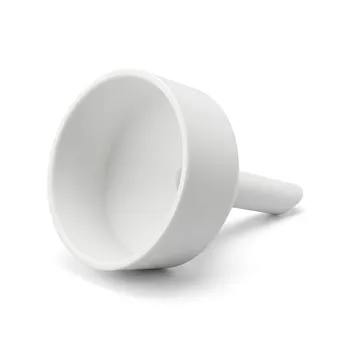
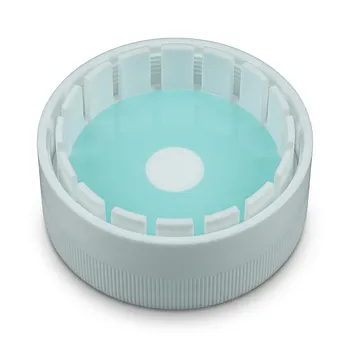
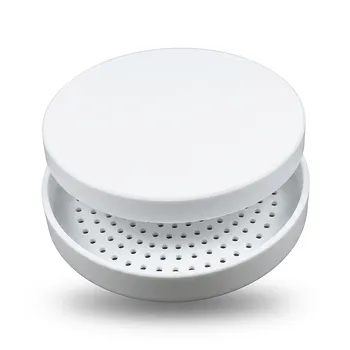
Polytetrafluoroethylene (PTFE) filters are the industry standard for pharmaceutical and bioprocessing applications due to their near-universal chemical resistance and exceptional purity. These filters allow for the filtration of aggressive solvents, acids, and bases without the risk of membrane degradation or the leaching of extractables that could compromise drug potency. Furthermore, their low protein binding and minimal fiber shedding ensure that sensitive biological samples remain pure and the concentration of target molecules is preserved.
PTFE filters provide a chemically inert and non-reactive barrier that maintains the integrity of complex fluids during filtration. By combining thermal stability with low surface energy, they ensure that neither the filter nor the process environment introduces impurities into the final product.
Ensuring Purity Through Chemical Inertness
Resistance to Aggressive Reagents
PTFE is virtually non-reactive when exposed to strong acids, strong bases, and organic solvents. This makes it the preferred material for fine chemical synthesis and laboratory environments where corrosive chemicals would destroy other membrane types.
Prevention of Leachable Contaminants
Because PTFE is chemically neutral, it does not leach metal ions or organic impurities into the reaction solution. This is critical for high-performance analytical systems, such as UPLC, where background contamination could lead to inaccurate experimental results.
Maintaining Drug Potency
The lack of extractables ensures that the chemical profile of a pharmaceutical product is not altered during the sterile filtration process. This stability allows manufacturers to meet stringent FDA-compliant standards for drug safety and efficacy.
Optimizing Bioprocessing Performance
Low Non-Specific Protein Binding
PTFE membranes exhibit extremely low non-specific adsorption of proteins and solutes. This ensures that expensive biologics or target toxin molecules are not "lost" to the filter membrane, maintaining the true concentration of the filtrate.
Protection for Shear-Sensitive Biologics
The low-friction surface of PTFE is particularly beneficial for the smooth flow of shear-sensitive biologics. This characteristic minimizes physical stress on delicate biological structures during the filtration process.
Minimal Fiber Shedding and Non-Stick Properties
PTFE filters are designed for minimal fiber shedding, which prevents particulate contamination in sterile environments. Their naturally non-stick properties also help prevent cross-contamination between different batches or products.
Durability and Validated Sterilization
Thermal Stability for Autoclaving
PTFE filters are steam autoclavable, allowing them to be sterilized repeatedly without losing structural integrity. This makes them ideal for reusable laboratory setups and validated pharmaceutical manufacturing lines.
Support for Validated Cleaning Protocols
The non-porous surfaces of PTFE components support rigorous cleaning protocols, such as Clean-in-Place (CIP). Because the material is inert to harsh cleaning agents, there is no risk of flavor, odor, or chemical carry-over between uses.
Hydrophobicity in Venting Applications
Due to its extreme hydrophobicity, PTFE is the material of choice for vent filters. It allows gases to pass freely while providing an absolute barrier to moisture and aqueous contaminants, ensuring the sterility of closed systems.
Understanding the Trade-offs
The Challenge of Hydrophobicity
The primary trade-off of standard PTFE is its natural hydrophobicity, which means it will not allow aqueous solutions to pass through under low pressure. For water-based pharmaceutical liquids, the membrane must be pre-wet with an organic solvent (like ethanol) or a specially modified "hydrophilic PTFE" version must be used.
Pressure Requirements and Flow Rates
While PTFE offers high flow rates at low pressures for gases and solvents, its performance can vary depending on the viscosity of the fluid. Users must ensure that the chosen pore size and membrane thickness are optimized for their specific flow requirements to avoid backpressure issues.
How to Apply This to Your Project
Making the Right Choice for Your Goal
- If your primary focus is analytical chemistry (e.g., UPLC or HPLC): Use PTFE syringe filters to ensure no target molecules are lost to adsorption and no leachables interfere with your peaks.
- If your primary focus is sterile venting or gas filtration: Select PTFE for its extreme hydrophobicity, which prevents moisture from blocking the filter or allowing microbial ingress.
- If your primary focus is processing aggressive solvents or acids: Utilize PTFE cartridges to guarantee long-term membrane integrity and prevent chemical bypass or degradation.
- If your primary focus is filtering shear-sensitive proteins: Leverage the low-friction and low-binding properties of PTFE to maximize your product yield and maintain biological activity.
By matching the unique inertness of PTFE to the specific requirements of your fluid, you ensure a process that is both highly efficient and rigorously pure.
Summary Table:
| Feature | Key Benefit | Ideal Application |
|---|---|---|
| Chemical Inertness | Prevents leaching and membrane degradation | Aggressive acids, bases, and solvents |
| Low Protein Binding | Ensures high yield and drug potency | Bioprocessing and sensitive biologics |
| Hydrophobicity | Provides an absolute moisture barrier | Sterile venting and gas filtration |
| Thermal Stability | Withstands repeated autoclaving/sterilization | Validated pharmaceutical manufacturing |
| Low Surface Energy | Minimal fiber shedding and non-stick | High-performance analysis (UPLC/HPLC) |
Achieve Unrivaled Purity with KINTEK’s Fluoropolymer Solutions
Maximize your process integrity with KINTEK, your dedicated partner in high-performance PTFE and PFA laboratory supplies. We understand that in pharmaceutical and bioprocessing applications, material purity is non-negotiable.
Whether you need everyday basics like beakers, reagent bottles, and centrifuge tubes, or specialized tools for sample prep, filtration, and fluid transfer (tubing, valves, and fittings), KINTEK delivers. Our expertise extends to advanced components, including high-purity trace analysis instruments, hydrothermal synthesis liners, microwave digestion vessels, and custom electrochemical cells.
Why choose KINTEK?
- Comprehensive Catalog: From O-rings and stirring bars to complex condensation/reflux devices.
- Precision Engineering: End-to-end custom CNC fabrication for bespoke laboratory setups.
- Unmatched Quality: An exclusive focus on high-performance fluoropolymers ensures zero contamination.
Ready to optimize your laboratory workflow? From high-volume orders to complex non-standard machined parts, we provide absolutely everything you need.
Contact KINTEK today to request a quote or discuss your custom project!
Related Products
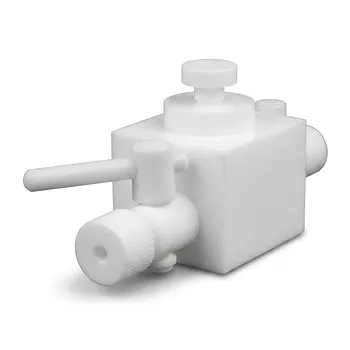
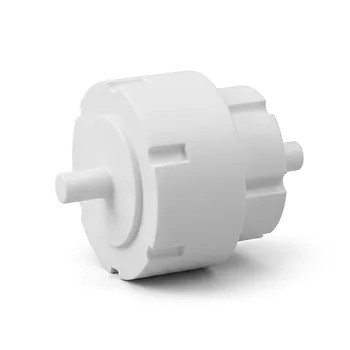
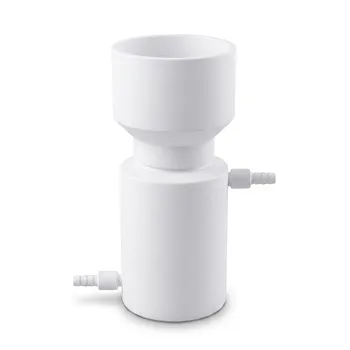
- Custom PTFE Filtration System Acid Resistant High Purity Semiconductor Grade Chemical Processing Filter
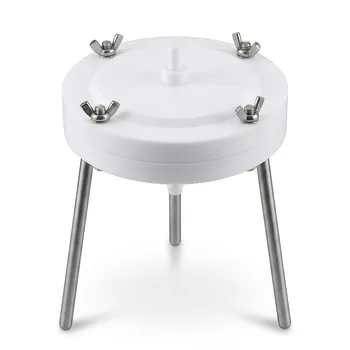
- Custom PTFE Vacuum Filter with Integrated Sieve Plate and Corrosion Resistant Particle Free Design for High Purity Water Quality Analysis
- Custom PTFE Water Quality Filter 202mm Diameter 142mm Membrane Corrosion Resistant Holder
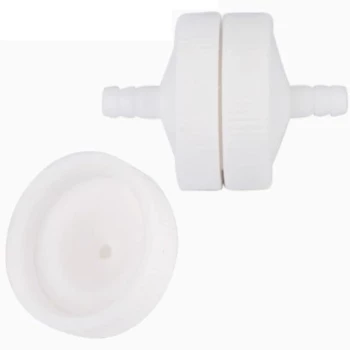
- High Purity PTFE Filter with PFA Valve Connections and Integrated Sieve Plate for Corrosive Fluid Processing
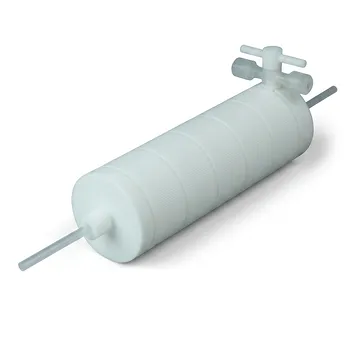
- PTFE Corrosion Resistant Filter with PFA Valve Connections and Integrated Sieve Plate
People Also Ask
- What makes PTFE filtration systems advantageous for industrial and scientific use? Unmatched Chemical & Thermal Stability
- What steps are involved in selecting the proper PTFE filter? A 4-Step Guide to Optimal Filtration
- What sizes and pore options are available for PTFE filters? Choose the Right Filter for Your Application
- What temperature resistance do PTFE filters offer? Unmatched Thermal Stability from -200°C to +260°C
- How does the hydrophobicity of PTFE filters benefit their use? Ensure Uninterrupted Gas Flow and Solvent Filtration