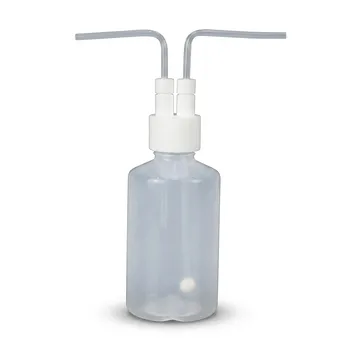
PTFE connectors are specialized fluid-handling components designed to join tubing, hoses, and pipes in environments where standard materials would fail. Their primary function is to provide a leak-free, chemically inert seal capable of withstanding aggressive acids, high temperatures, and strict purity requirements.
Core Takeaway: PTFE connectors serve as the critical link in high-integrity fluid systems, ensuring system longevity by combining total chemical resistance with a low-friction, non-stick architecture that prevents both corrosion and contamination.
Primary Functions in Fluid-Handling Systems
Unmatched Chemical Inertness
The most critical function of a PTFE connector is its ability to remain chemically inactive when exposed to aggressive media. Unlike metallic fittings that may corrode or leach ions, PTFE provides a stable interface for conveying concentrated acids, bases, and organic solvents without degrading.
Friction Reduction and Flow Efficiency
PTFE possesses an exceptionally low coefficient of friction, which translates to minimal pressure drops across the connection point. This "non-stick" characteristic prevents the buildup of minerals or biological matter, significantly reducing the risk of blockages or "scaling" within the fitting.
Thermal and Vibration Management
Advanced PTFE components, such as bellows and expansion joints, are designed to accommodate thermal expansion and dampen system vibrations. This flexibility protects rigid piping and sensitive reactor vessels from mechanical stress, extending the overall service life of the infrastructure.
Key Industrial Applications
Semiconductor and Pharmaceutical Manufacturing
In industries where "ultra-high purity" is the standard, PTFE connectors are indispensable because they do not introduce contaminants. They are used extensively in wafer cleaning processes and drug formulation lines to ensure that the fluid remains as pure at the end of the line as it was at the source.
Chemical Processing and Plant Engineering
PTFE fittings are the backbone of chemical plants handling hazardous or corrosive fluids. They are commonly integrated into valves, pump parts, and distillation columns, providing a reliable seal in "hostile" environments where traditional alloys would succumb to chemical attack.
Laboratory and Medical Instrumentation
Because PTFE is biocompatible and easy to sterilize, these connectors are frequently found in medical catheters and surgical equipment. In laboratory settings, they enable the precise transfer of reagents in analytical instruments without the risk of cross-contamination or reagent loss due to absorption.
Understanding the Trade-offs
Mechanical Limits and "Cold Flow"
While PTFE is chemically superior, it is softer than metal and can be subject to creep or "cold flow" under sustained high pressure. This means that in very high-pressure applications, the fitting may require periodic inspection or specialized "encapsulated" designs to maintain a perfect seal.
Cost vs. Performance
PTFE connectors generally carry a higher initial cost than standard plastic or basic stainless-steel fittings. However, this cost is usually offset by reduced maintenance cycles, the elimination of corrosion-related failures, and the protection of expensive high-purity fluids.
Making the Right Choice for Your Goal
When integrating PTFE connectors into your fluid-handling system, consider the primary objective of your application:
- If your primary focus is Chemical Resistance: Prioritize solid PTFE machined unions and NPT fittings to ensure zero reactivity with aggressive solvents or acids.
- If your primary focus is System Longevity: Use PTFE bellows and expansion joints to absorb mechanical vibrations and thermal shifts that could otherwise crack rigid piping.
- If your primary focus is High Purity: Select virgin PTFE connectors with high-polish internal bores to eliminate "dead zones" where bacteria or particulates can accumulate.
By matching the specific grade and design of the PTFE connector to your environmental stressors, you ensure a safe, efficient, and reliable fluid-transfer process.
Summary Table:
| Feature | Primary Benefit | Industrial Application |
|---|---|---|
| Chemical Inertness | Zero corrosion from aggressive acids | Chemical Processing & Plants |
| Low Friction | Prevents mineral buildup and scaling | Laboratory & Analytical Tools |
| Thermal Management | Accommodates expansion & vibration | Reactor Vessels & Distillation |
| Biocompatibility | Sterile and non-contaminating | Medical & Pharmaceutical |
| Non-stick Surface | Easy cleaning and high flow efficiency | Semiconductor Manufacturing |
Elevate Your Fluid-Handling Precision with KINTEK
Are you looking to eliminate contamination and system failure in your most demanding environments? KINTEK offers an exhaustive range of high-performance fluoropolymer solutions designed for absolute reliability. From everyday basic labware like beakers, crucibles, and centrifuge tubes to specialized fluid transfer components (tubing, fittings, valves), our products provide unmatched chemical resistance.
Whether you need high-purity trace analysis instruments, sample prep tools (filters, pipettes, tweezers), or advanced reaction apparatus like electrochemical cells and hydrothermal synthesis liners, our end-to-end custom CNC fabrication is ready to deliver. We provide everything from complex, non-standard machined parts to high-volume orders, maintaining an exclusive focus on PTFE and PFA materials to ensure your lab’s success.
Contact KINTEK today to discuss your custom project or bulk order requirements!
Related Products
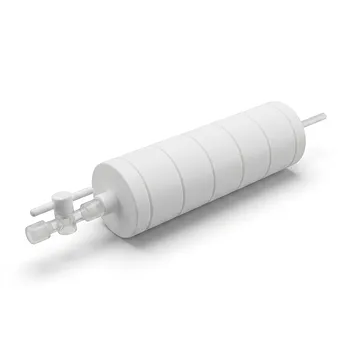
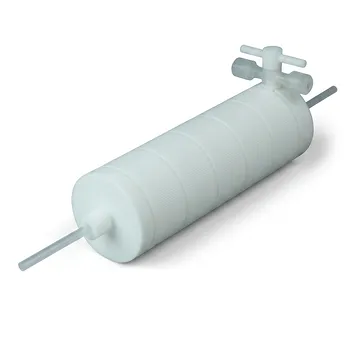
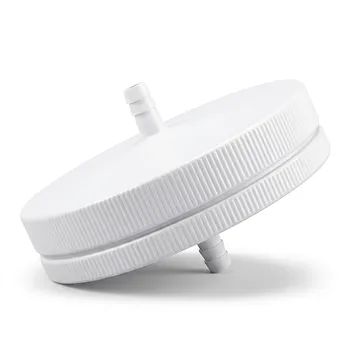
- PTFE Corrosion Resistant Filter with PFA Valve Connections and Integrated Sieve Plate
- High Purity PTFE Filter with PFA Valve Connections and Integrated Sieve Plate for Corrosive Fluid Processing
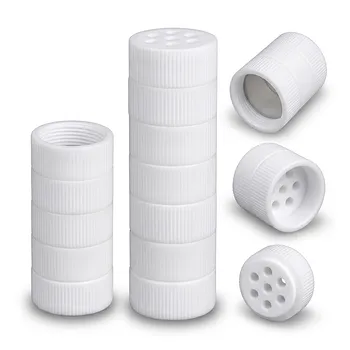
- Corrosion Resistant PTFE Multi Layer Sieve with Threaded Connections for Bio Chemical Laboratory Extraction and Customizable Mesh Size
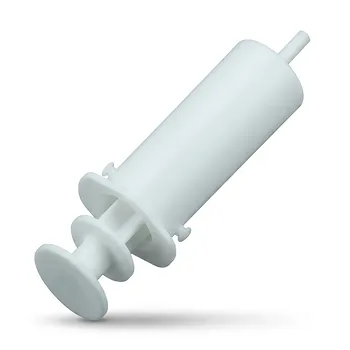
- Custom PTFE Corrosion Resistant White Syringe with Threaded Luer Connector Compatibility
- High Temperature Resistant PTFE White Screw Plugs Custom T Shaped Sealing Hole Stoppers Waterproof Dustproof Chemical Inert Laboratory Fasteners
People Also Ask
- What sizes and pore options are available for PTFE filters? Choose the Right Filter for Your Application
- What steps are involved in selecting the proper PTFE filter? A 4-Step Guide to Optimal Filtration
- Which chemicals are fully compatible with PTFE filters? Discover Unmatched Chemical Resistance
- What temperature resistance do PTFE filters offer? Unmatched Thermal Stability from -200°C to +260°C
- How does the hydrophobicity of PTFE filters benefit their use? Ensure Uninterrupted Gas Flow and Solvent Filtration