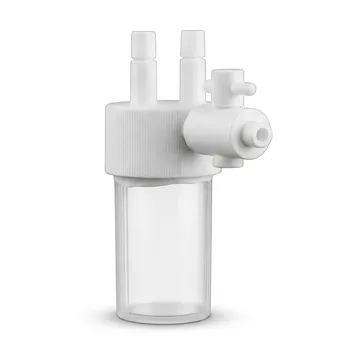
A standard two-ferrule PTFE compression connector relies on four precision-machined components to function. These components include a body with a tapered sealing surface, a front ferrule for fluid containment, a back ferrule for mechanical gripping, and a nut to provide the necessary axial force. Together, they create a high-integrity seal that is specifically designed to handle the unique flow characteristics of PTFE tubing.
The two-ferrule design separates the two primary functions of a fitting—sealing and gripping—into two distinct components. This division of labor ensures that the connector can provide a leak-tight fluid path while simultaneously preventing the tubing from pulling out under pressure.
The Four Essential Components
The Connector Body
The body serves as the structural foundation of the assembly. It contains a threaded receptacle to receive the nut and a tapered internal surface designed to mate precisely with the front ferrule.
The Front Ferrule (Primary Seal)
The front ferrule is the component responsible for the primary fluid-tight seal. As the nut is tightened, the front ferrule is driven into the body’s tapered surface, compressing it against the outer diameter of the tubing and the inner surface of the body.
The Back Ferrule (Mechanical Grip)
The back ferrule provides the mechanical grip on the tubing. Its primary role is to "bite" into or securely hold the tubing to prevent pull-out caused by internal pressure or external vibration.
The Compression Nut
The nut is the driver of the entire assembly. By threading onto the body, it applies the axial force required to move the ferrules forward and activate both the sealing and gripping mechanisms.
How the Two-Ferrule System Operates
The Interaction of Force
When the nut is tightened, it pushes against the back ferrule, which in turn pushes against the front ferrule. This sequence ensures that the sealing force is applied to the front ferrule first, establishing a leak-proof barrier before the back ferrule locks the tubing in place.
Material Properties of PTFE
PTFE is chosen for these connectors because it is chemically inert and has an extremely low coefficient of friction. This low friction allows the components to slide over one another during assembly, ensuring that the axial force from the nut is efficiently converted into radial compression.
Vibration Resistance
The two-ferrule design is inherently more resistant to vibration and thermal cycling than single-ferrule designs. The back ferrule acts as a buffer, preventing vibration from reaching the front ferrule and compromising the primary seal.
Understanding the Trade-offs
Material Softness and Creep
PTFE is a relatively soft material and is subject to "cold flow" or creep over time, especially under high pressure or temperature. This means that a connection that is tight today may require periodic inspection to ensure it hasn't loosened as the material deforms.
Torque Sensitivity
Because PTFE is naturally lubricious, it is very easy to over-tighten the compression nut. Over-tightening can crush the ferrules or the tubing, leading to restricted flow or a complete structural failure of the joint.
Pressure Limitations
While highly effective for chemical resistance, PTFE compression fittings generally have lower pressure ratings than their stainless steel counterparts. They are ideal for high-purity and corrosive environments but may not be suitable for extreme high-pressure hydraulic applications.
Making the Right Choice for Your Goal
When selecting or installing a two-ferrule PTFE connector, consider your specific operational requirements:
- If your primary focus is chemical purity: Ensure all four components are made of high-grade PTFE to maintain a completely inert fluid path.
- If your primary focus is vibration resistance: Verify that the back ferrule is properly seated, as this component is what prevents mechanical fatigue from reaching the seal.
- If your primary focus is long-term reliability: Implement a maintenance schedule to check for material creep, particularly in systems subject to thermal fluctuations.
A properly assembled two-ferrule PTFE connector provides an unparalleled balance of chemical inertness and mechanical security for critical fluid handling.
Summary Table:
| Component | Primary Function | Key Characteristic |
|---|---|---|
| Connector Body | Structural foundation | Contains tapered surface for ferrule seating |
| Front Ferrule | Primary fluid seal | Compresses against tubing to prevent leaks |
| Back Ferrule | Mechanical gripping | Prevents tubing pull-out under pressure |
| Compression Nut | Force applicator | Converts axial torque into radial sealing pressure |
Optimize Your Fluid Path with KINTEK’s Fluoropolymer Expertise
Ensure the integrity of your most critical chemical processes with high-performance PTFE and PFA solutions from KINTEK. Whether you require standard two-ferrule compression connectors or bespoke fluid transfer systems, our end-to-end custom CNC fabrication delivers unmatched precision and chemical resistance.
From everyday lab essentials like beakers, reagent bottles, and centrifuge tubes to advanced components including:
- Fluid Transfer: Tubing, fittings, valves, and high-purity filters.
- Sample Prep: Separatory funnels, burettes, and pipettes.
- Specialized Apparatus: Custom electrochemical cells, hydrothermal synthesis liners, and microwave digestion vessels.
KINTEK focuses exclusively on high-performance fluoropolymers to provide everything from complex non-standard machined parts to high-volume consumables.
Ready to upgrade your laboratory setup? Contact our technical team today to discuss your specific requirements and experience the KINTEK advantage.
Related Products
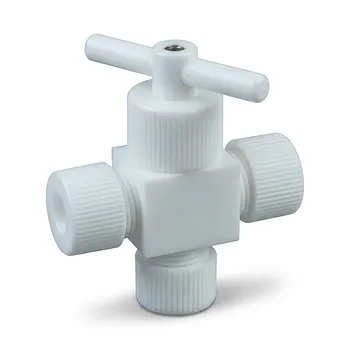
- Custom PTFE Valve 2-Way 3-Way Corrosion Resistant Low Background Virgin Fluoropolymer Industrial Fluid Control
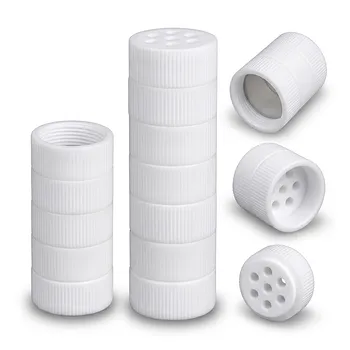
- Corrosion Resistant PTFE Multi Layer Sieve with Threaded Connections for Bio Chemical Laboratory Extraction and Customizable Mesh Size
- Custom PTFE Constant Pressure Separatory Funnel Corrosion Resistant Low Background Labware for PFA Flasks
- High Temperature Resistant PTFE White Screw Plugs Custom T Shaped Sealing Hole Stoppers Waterproof Dustproof Chemical Inert Laboratory Fasteners
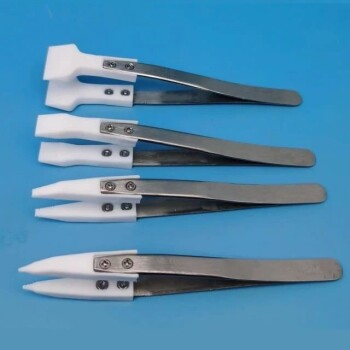
- Custom PTFE Parts Manufacturer for Teflon Parts and PTFE Tweezers
People Also Ask
- What industries commonly use PTFE valves and components? Essential for Chemical & Purity Applications
- What specific advantages do PTFE valves offer? Unmatched Corrosion Resistance for Industrial Chemical Handling
- How do PTFE valves and components support high-purity liquid transfer? Ensure Product Integrity with Inert Materials
- What is the typical operating temperature and pressure range for PTFE valves? Key Specs for Optimal Performance
- What are the key properties of PTFE valves? Ensure Purity, Safety, and Reliability in Demanding Processes