Directly polymerized low-molecular-weight PTFE is generally the cleaner choice for demanding chemical and analytical applications. Unlike PTFE micropowder made by electron-beam irradiation of high-molecular-weight PTFE, it is produced without creating the same population of unstable chain-end groups. As a result, it can reduce hydrogen fluoride (HF) off-gassing during thermal processing, helping protect equipment and preserve analytical purity.
The central advantage is process cleanliness: directly polymerized PTFE offers high chemical and thermal stability while minimizing reactive endgroups that can release HF, corrode tooling, or contaminate sensitive analytical systems.
Why the Production Route Matters
Electron-beam Irradiation Creates Reactive Endgroups
Electron-beam irradiation reduces the molecular weight of conventional high-molecular-weight PTFE through chain cleavage. This process can leave unstable polymer endgroups in the resulting micropowder.
When the material is later exposed to elevated temperatures, these endgroups may decompose and generate hydrogen fluoride. The risk is especially relevant during molding, sintering, or other thermal operations.
Direct Polymerization Avoids the Same Chain-Cleavage Mechanism
Directly polymerized low-molecular-weight PTFE is typically produced through emulsion polymerization. Because the desired molecular weight is obtained during polymer formation rather than by breaking down an existing high-molecular-weight polymer, it largely avoids the reactive endgroups associated with irradiation.
This gives the material a more stable chemical profile during subsequent processing and use.
Primary Advantages in Chemical Applications
Lower HF Emissions During Thermal Processing
The most significant advantage is reduced HF generation when the PTFE is heated. HF is highly corrosive and can attack tooling, fixtures, processing equipment, and nearby system components.
Reducing these emissions can improve equipment reliability and lower the risk of maintenance problems caused by corrosion.
Cleaner Processing Environments
Thermal treatment of irradiated PTFE can release decomposition products from unstable endgroups. Directly polymerized grades provide a cleaner processing route, which is valuable where material purity and controlled environments matter.
This is particularly important for components used in chemical handling, high-purity fluid paths, and laboratory equipment.
Strong Chemical Stability
Both material types retain PTFE's fundamental resistance to most chemicals and solvents. Directly polymerized PTFE adds the practical benefit of avoiding a processing history that can introduce reactive residues or endgroups.
The result is a more dependable choice for contact with aggressive chemical media, provided the component design and operating temperature remain within the material's limits.
Lower Risk of System Contamination
HF and other unwanted thermal decomposition products can migrate into surrounding equipment or process streams. In chemical applications, even small contamination risks can undermine test results, damage components, or complicate validation.
Directly polymerized PTFE helps reduce this risk by minimizing the source of reactive endgroup decomposition.
Primary Advantages in Analytical Applications
Improved Blank and Background Control
Analytical systems often depend on clean sample handling and low background contamination. Corrosive or reactive emissions from polymer processing can interfere with the cleanliness of vessels, tubing, seals, and other components.
A low-molecular-weight PTFE powder made without electron-beam chain cleavage is therefore better suited to applications where maintaining a low contamination background is essential.
Better Suitability for Sensitive Labware
PTFE is already valued for its non-adhesive surface, chemical inertness, thermal resistance, and physiological stability. These characteristics make it useful for laboratory supplies, high-purity vessels, and fluid-transfer components.
Direct polymerization strengthens the case for sensitive applications by supporting cleaner thermal fabrication and reducing the possibility of process-related residues.
More Consistent Performance in Reactive Environments
Analytical instruments and laboratory systems may involve reactive solvents, acids, elevated temperatures, or tightly controlled sample pathways. Materials with unstable reactive groups can introduce avoidable variability under these conditions.
Directly polymerized PTFE offers a more chemically stable material choice for components that must remain inert throughout repeated use.
Properties Shared by Both PTFE Types
Broad Chemical Resistance
PTFE's strong carbon-fluorine structure gives it near-universal resistance to many chemicals and solvents. This makes it useful for aggressive chemical service and high-purity applications.
The distinction between the two micropowder types is primarily the cleanliness and stability of the manufacturing route, not a replacement of PTFE's underlying chemical properties.
Wide Temperature Capability
PTFE maintains useful performance across a broad temperature range, including very low temperatures and elevated operating temperatures. Thermal limits still depend on the specific grade, component design, exposure conditions, and duration.
Heating PTFE during fabrication requires particular care because thermal decomposition, rather than ordinary chemical exposure, is the main concern addressed by the direct-polymerization advantage.
Low Friction and Non-Adhesion
PTFE provides very low friction and a non-stick surface. These properties can reduce sticking, simplify cleaning, and support smooth movement in seals, guides, valves, and other precision components.
In analytical equipment, reduced adhesion can also help limit material retention between samples, although geometry, cleaning procedures, and surface condition remain important.
Understanding the Trade-offs
Direct Polymerization Does Not Eliminate All PTFE Limitations
Directly polymerized low-molecular-weight PTFE still has the inherent limitations of unmodified PTFE. These include relatively low wear resistance, creep under sustained load, and limited resistance to radiation.
Material selection must therefore consider mechanical loading, dimensional stability, abrasion, and exposure conditions in addition to chemical purity.
Thermal Cleanliness Depends on Processing Conditions
Lower reactive-endgroup content reduces HF-related risks but does not make PTFE immune to overheating. Excessive temperatures or poorly controlled thermal cycles can still cause decomposition.
Processing equipment should continue to use appropriate temperature control, ventilation, and material-handling procedures.
Filled Grades Require Separate Evaluation
Fillers can improve wear resistance, stiffness, creep resistance, or other mechanical properties. However, they may also alter chemical compatibility, extractables, surface behavior, and analytical cleanliness.
For sensitive laboratory and analytical work, the complete formulation must be evaluated rather than assuming that all PTFE-based compounds have the same purity profile.
Performance Depends on the Application
Directly polymerized PTFE is especially attractive when HF emissions, corrosion, or contamination are significant concerns. For less demanding applications, irradiated PTFE may still provide adequate performance if its processing and thermal environment are properly controlled.
The correct comparison should include the entire system: material grade, fabrication temperature, ventilation, chemical exposure, mechanical load, and analytical sensitivity.
Making the Right Choice for Your Goal
The production route should be selected according to the consequences of contamination, corrosion, and thermal processing byproducts.
- If your primary focus is chemical purity: Prefer directly polymerized low-molecular-weight PTFE to minimize reactive-endgroup-related emissions and contamination risks.
- If your primary focus is equipment protection: Choose directly polymerized material where HF off-gassing could corrode tooling or surrounding components.
- If your primary focus is analytical reliability: Use directly polymerized PTFE for sensitive labware and fluid paths where low background contamination and stable chemical behavior are important.
- If your primary focus is mechanical durability: Evaluate filled or otherwise modified PTFE grades separately, because direct polymerization alone does not resolve PTFE's creep and wear limitations.
For chemical and analytical systems, directly polymerized low-molecular-weight PTFE is most valuable when material purity, low emissions, and protection of surrounding equipment matter as much as PTFE's inherent chemical resistance.
Summary Table:
| Advantage | Directly Polymerized PTFE | Electron-Beam Irradiated PTFE |
|---|---|---|
| HF Off-gassing | Low | Higher |
| Reactive Endgroups | Minimal | Present |
| Chemical Stability | High | High |
| Contamination Risk | Low | Higher |
| Analytical Background | Cleaner | Potential Interference |
Elevate Your High-Purity Applications with KINTEK's PTFE Solutions
At KINTEK, we specialize in high-performance fluoropolymers, offering a comprehensive range of labware and components crafted from PTFE and PFA. Our directly polymerized low-molecular-weight PTFE ensures minimal HF emissions, protecting your equipment and preserving analytical accuracy. From beakers and digestion vessels to custom CNC-machined parts, our products meet the strictest purity standards. Whether you're a distributor seeking reliable supply or a lab needing bespoke equipment, we provide OEM/ODM support and certified quality. Contact us today to discuss your requirements and experience the KINTEK advantage.
Related Products
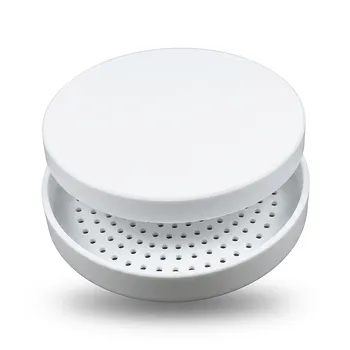
- Custom PTFE Filtration System Acid Resistant High Purity Semiconductor Grade Chemical Processing Filter
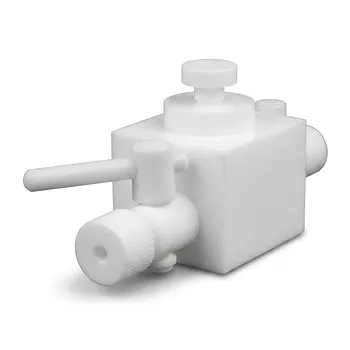
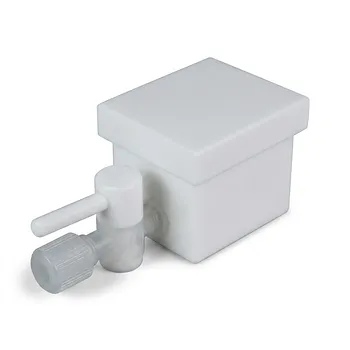
- High Corrosion Resistant PTFE Faucet Polytetrafluoroethylene Valve for Chemical Storage Drums and Fluid Transfer Systems Customizable Industrial Grade
- PTFE PFA Vacuum Filtration System Corrosion Resistant Customizable Shatterproof Laboratory Device
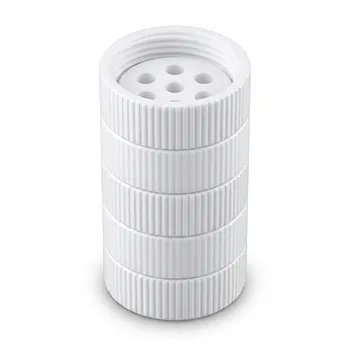
- PTFE Corrosion Resistant Filter with PFA Valve Connections and Integrated Sieve Plate
- High Temperature Chemical Resistant 50ml PTFE Syringe Customized Teflon Injector with Threaded Seal for Trace Analysis
People Also Ask
- What makes PTFE filtration systems advantageous for industrial and scientific use? Unmatched Chemical & Thermal Stability
- What sizes and pore options are available for PTFE filters? Choose the Right Filter for Your Application
- What steps are involved in selecting the proper PTFE filter? A 4-Step Guide to Optimal Filtration
- How does the hydrophobicity of PTFE filters benefit their use? Ensure Uninterrupted Gas Flow and Solvent Filtration
- What temperature resistance do PTFE filters offer? Unmatched Thermal Stability from -200°C to +260°C