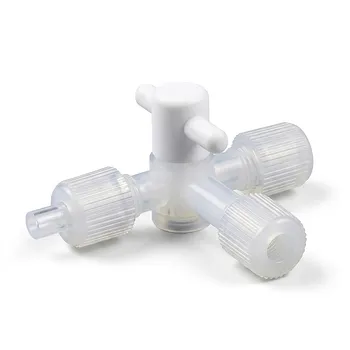
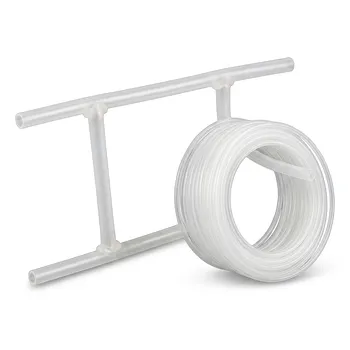
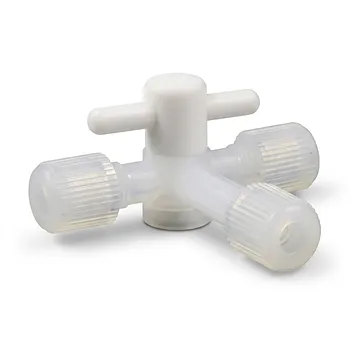
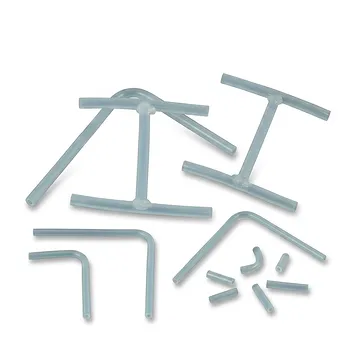
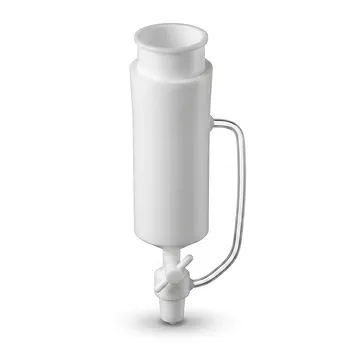
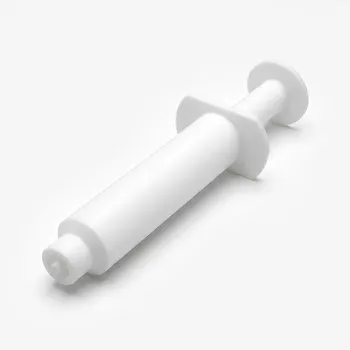
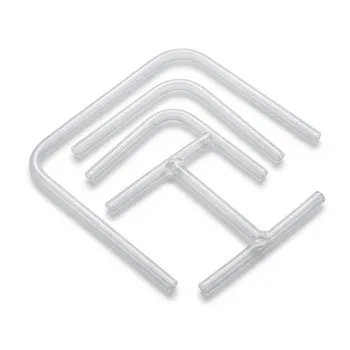
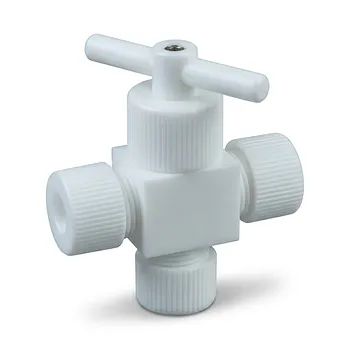
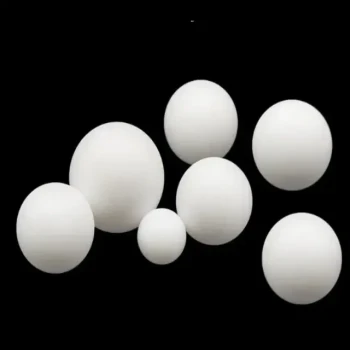
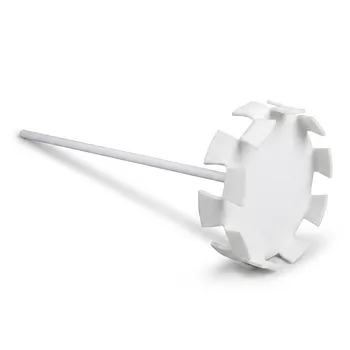
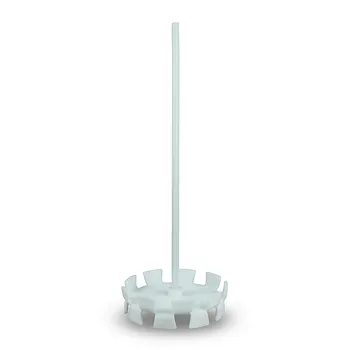
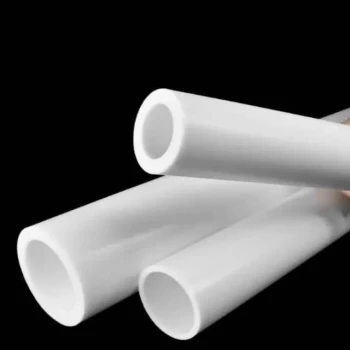
For the synthesis of CuO nanoparticles using DMSO or high-concentration alcohols, fluid transfer components must be constructed exclusively from fluoropolymers, specifically PFA or PTFE. These materials provide the extreme chemical inertness required to handle polar organic solvents without degrading or leaching contaminants. Utilizing these high-performance materials ensures the structural integrity of your delivery system and the purity of the resulting nanoparticle morphology.
Core Takeaway: To prevent system failure and sample contamination, PFA and PTFE are the only reliable material choices for handling the aggressive polar solvents used in CuO nanoparticle synthesis.
Why Material Integrity Governs Synthesis Success
The Threat of Polar Organic Solvents
Solvents like DMSO (Dimethyl Sulfoxide) and propanol are highly effective at regulating nanoparticle morphology, but they are aggressive toward standard plastics. Standard polymers often undergo swelling or dissolution when exposed to these chemicals, leading to immediate hardware degradation.
Preventing Sample Contamination
In nanoparticle synthesis, even trace amounts of leached plasticizers or polymers can act as unintended surfactants. These contaminants can bind to the surface of the CuO nanoparticles, unpredictably altering their size, shape, and catalytic properties.
Ensuring System Longevity
The use of incompatible materials frequently leads to pipeline failure, such as tubing bursts or fitting leaks. By selecting chemically resistant components, you ensure a consistent flow rate and a pressurized environment necessary for precise chemical reactions.
The Superiority of PFA and PTFE
Chemical Resistance Profiles
PFA (Perfluoroalkoxy) and PTFE (Polytetrafluoroethylene) feature exceptionally strong carbon-fluorine bonds. This molecular structure makes them nearly immune to the solvent action of polar organic solvents, ensuring they remain dimensionally stable.
Thermal and Mechanical Stability
Beyond chemical resistance, these fluoropolymers maintain their mechanical properties across a wide temperature range. This stability is vital if your synthesis process involves exothermic reactions or requires elevated temperatures to drive CuO formation.
Surface Energy and Flow Dynamics
Fluoropolymers have very low surface energy, which prevents nanoparticle adhesion to the inner walls of the tubing. This "non-stick" property ensures that the nanoparticle yield remains high and reduces the risk of clogging within the fluidic path.
Understanding the Trade-offs
Material Rigidity and Flexibility
PTFE and PFA are significantly stiffer than common materials like silicone or PVC. This rigidity may require the use of specialized compression fittings and can make routing tubing in tight spaces more challenging.
Cost vs. Risk Mitigation
The upfront cost of fluoropolymer components is higher than that of commodity plastics. However, this cost is a necessary investment to avoid the much higher expenses associated with failed batches, equipment downtime, and contaminated research data.
Pump Compatibility
Because PFA and PTFE do not have the elasticity of soft rubbers, they are not suitable for standard peristaltic pump heads. Users must utilize diaphragm pumps, gear pumps, or specialized peristaltic tubing with fluoropolymer-lined inner bores to maintain compatibility.
Implementing the Right Components for Your Project
When designing your fluid transfer system for CuO synthesis, use these guidelines to select your materials:
- If your primary focus is Maximum Chemical Purity: Utilize PFA for all tubing and fittings, as it offers the smoothest surface finish and the lowest extractable profile.
- If your primary focus is Cost-Effective Durability: Select PTFE for stationary components and valves, as it provides similar chemical resistance to PFA at a typically lower price point.
- If your primary focus is Flexibility in Routing: Explore fluoropolymer-lined multilayer tubing, which combines a PTFE inner lining for resistance with a flexible outer jacket for easier handling.
Selecting the correct fluoropolymer components is a fundamental step in ensuring the reproducibility and precision of your nanoparticle synthesis.
Summary Table:
| Material Type | Key Benefits | Best Application Case |
|---|---|---|
| PFA (Perfluoroalkoxy) | Ultra-smooth surface, lowest extractables, maximum chemical purity | Critical delivery lines and high-sensitivity nanoparticle synthesis |
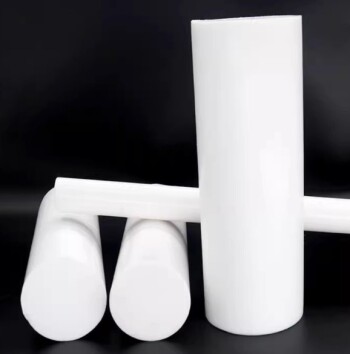
| PTFE (Polytetrafluoroethylene) | Exceptional chemical resistance, cost-effective, high thermal stability | Stationary components, valves, gaskets, and stirring bars |
| Fluoropolymer-Lined | Combines chemical inertness with outer jacket flexibility | Complex routing in tight spaces or specialized pump interfaces |
Optimize Your Synthesis with KINTEK’s Fluoropolymer Expertise
Precision in CuO nanoparticle synthesis starts with the right materials. KINTEK specializes in high-performance PTFE and PFA laboratory supplies designed to withstand aggressive solvents like DMSO and propanol.
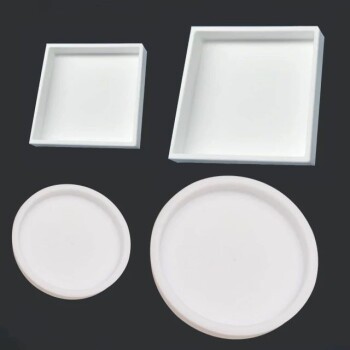
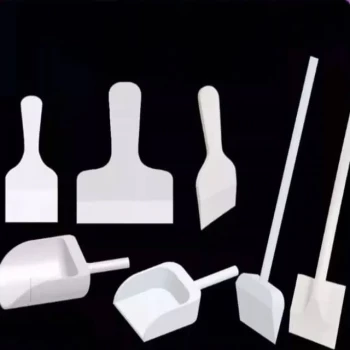
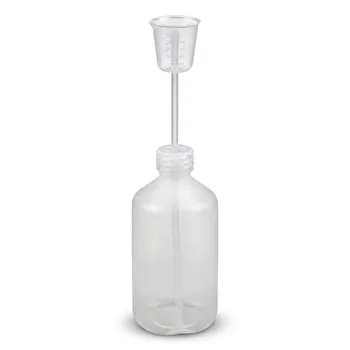
We offer a comprehensive range of solutions, from everyday basic labware (beakers, crucibles, reagent bottles) and high-purity fluid transfer components (tubing, fittings, valves) to advanced reaction apparatus like electrochemical cells, microwave digestion vessels, and custom CNC-fabricated parts. Whether you need high-volume consumables or bespoke laboratory setups, our absolute focus on high-performance fluoropolymers ensures your research remains uncontaminated and efficient.
Ensure the integrity of your results and prevent system failure today.
Contact KINTEK for a Custom Solution
References
- Naveed Akhtar, Zakir Ullah. CuO Nanoparticles: Tuning Properties for Energy and Optoelectronic Applications. DOI: 10.1002/nano.70015
This article is also based on technical information from Kintek Knowledge Base .
Related Products
- Corrosion Resistant High Purity PFA Valve and Weldable Transparent Tubing for Semiconductor Fluid Transfer
- Corrosion Resistant PFA Tubing 1/4 Inch Custom Molded Welded Fluid Transfer Components
- High Purity PFA Valves and Weldable Corrosion Resistant Transparent Tubing for Semiconductor Sensor Manufacturing Fluid Transfer
- High Performance PFA Coiled Spring Tubing and Custom PTFE Fabrication Services with Welded Fittings and Precision Bent Components
- High Corrosion Resistant PTFE Faucet Polytetrafluoroethylene Valve for Chemical Storage Drums and Fluid Transfer Systems Customizable Industrial Grade
People Also Ask
- Why are high-purity PFA fluid transfer components required for OSDAs and silica? Ensure Precision in Zeolite Synthesis
- Why are high-purity PFA components for MOF-derived electrocatalysts essential? Achieve Absolute Chemical Purity
- Why are high-purity PFA fluid transfer components preferred for battery electrolytes? Ensure Purity & Data Accuracy
- How does high-purity PFA tubing maintain reagent purity? Achieve Ultra-Smooth, Zero-Contamination Fluid Transfer
- How do high-precision PFA fluid transfer components, such as tubing and fittings, affect the results of continuous-flow synthesis?