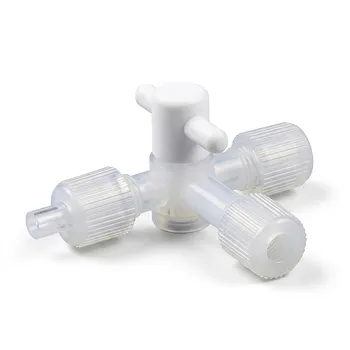
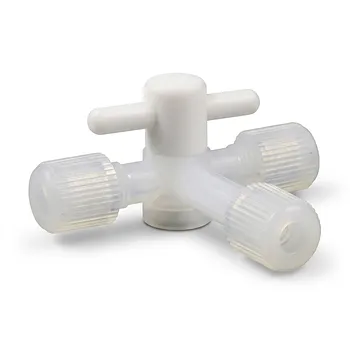
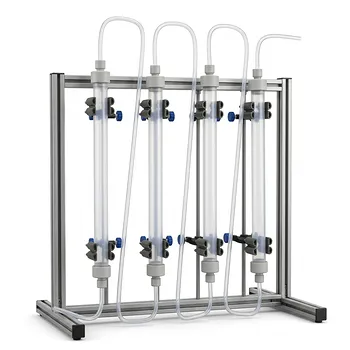
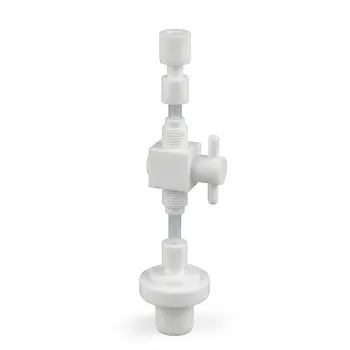
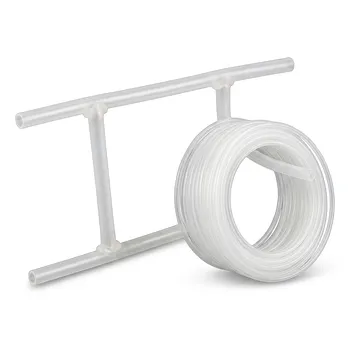
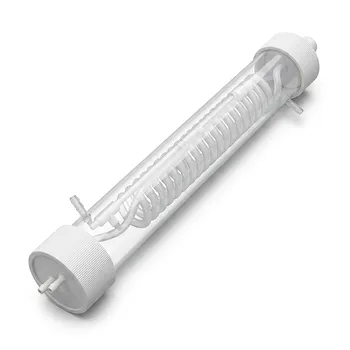
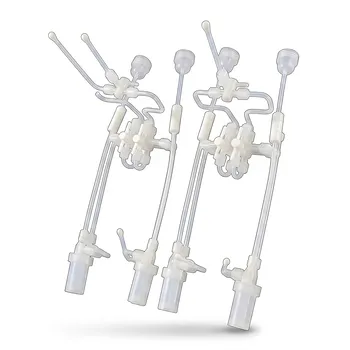
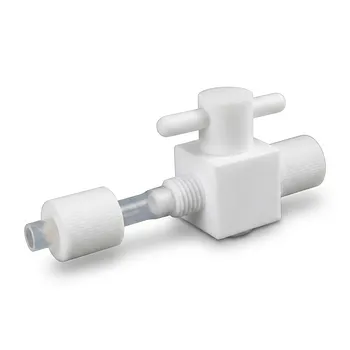
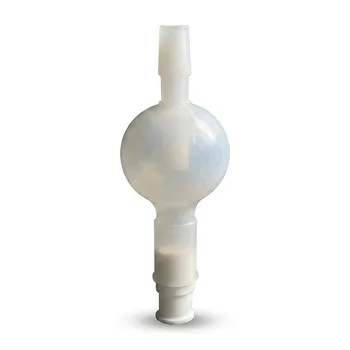
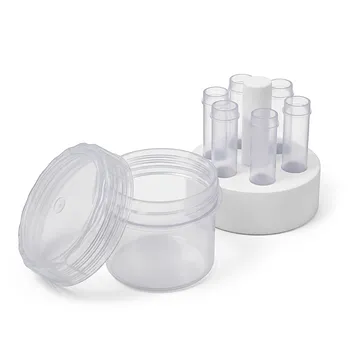
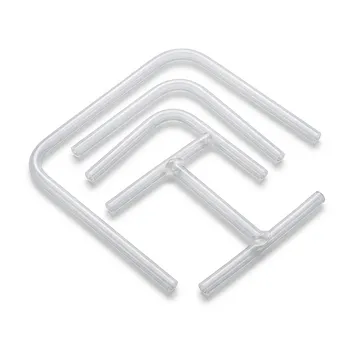
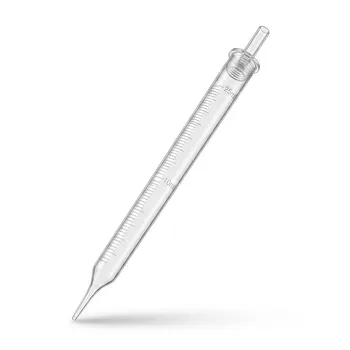
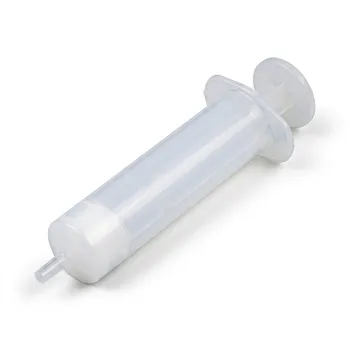
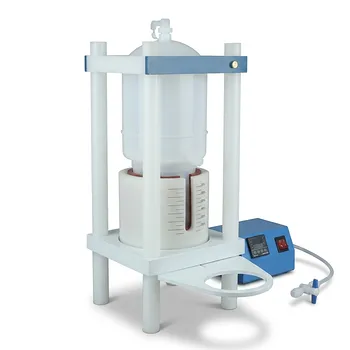
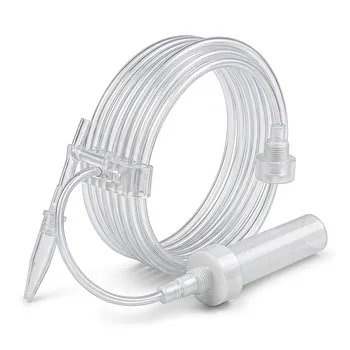
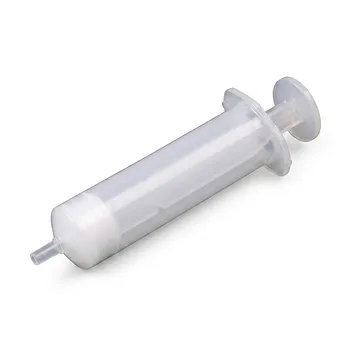
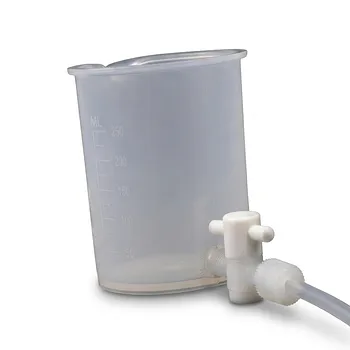
High-purity PFA fluid transfer components are the industry standard because they eliminate the risk of chemical interference in sensitive battery chemistries. These materials provide exceptional chemical inertness and near-zero metal ion leaching, ensuring that organic electrolytes—often containing aggressive salts like LiTFSI—remain uncontaminated. By maintaining the absolute purity of the electrolyte, researchers can guarantee that battery cycling data and electrochemical mechanisms are reproducible and free from artifact-induced errors.
High-purity PFA (Perfluoroalkoxy) ensures the integrity of battery research by preventing trace metal contamination and additive adsorption, which are critical for the precise study of electrochemical reactions and long-term cell stability.
Preventing Electrochemical Interference and Degradation
Safeguarding Oxygen Reaction Mechanisms
In advanced battery research, specifically involving Oxygen Reduction Reactions (ORR) and Oxygen Evolution Reactions (OER), even parts-per-billion levels of metal impurities can catalyze unintended side reactions. High-purity PFA components prevent these trace elements from leaching into the electrolyte, ensuring that the observed electrochemical behavior is a true reflection of the battery chemistry.
Resilience Against Corrosive Hydrolysis Products
Organic electrolytes, especially those containing fluorine-based salts like LiFSI or FEC, can undergo hydrolysis to form hydrofluoric acid (HF). Unlike glass or lower-grade plastics, PFA is virtually immune to HF corrosion, preventing the container walls from degrading and releasing contaminants into the formulation.
Maintaining the Precision of Trace Additives
The performance of modern lithium-ion batteries relies heavily on precise concentrations of functional additives. PFA's low surface energy prevents the adsorption of sensitive chemical components, such as flame retardants (TMP) or film-forming agents, onto the walls of tubing and bottles during automated feeding.
Ensuring Structural and Functional Reproducibility
Protecting the Solid Electrolyte Interphase (SEI)
The formation of a stable SEI film is the most critical step in battery longevity. Contaminants introduced by inferior transfer components can alter the chemical stability and mechanical strength of the SEI, leading to premature battery failure and inconsistent experimental results.
Avoiding Hydrogen Evolution and Swelling
In many battery systems, trace metal impurities like arsenic or antimony can significantly lower the hydrogen evolution overpotential. Using high-purity PFA eliminates these catalysts, preventing self-discharge and the physical swelling of battery cells during cycling tests.
Accuracy in Automated Fluid Handling
For high-throughput research, electrolytes are often moved through complex automated dosing systems. PFA tubing ensures that the precise composition of the electrolyte recipe is maintained from the storage bottle to the test cell without losses due to chemical reaction or physical adherence.
Understanding the Trade-offs
The Cost of Ultra-High Purity
While PFA offers the best chemical performance, it is significantly more expensive than standard fluoropolymers like PTFE or FEP. Researchers must weigh the higher capital investment against the cost of failed experiments or misleading data caused by lower-quality materials.
Physical Rigidity and Handling
PFA tubing is generally stiffer than many vinyl or silicone alternatives. This can make tight routing in compact laboratory setups more challenging, requiring specialized fittings and connectors to ensure leak-proof seals in high-precision fluid transfer systems.
How to Apply This to Your Project
To maximize the reliability of your battery research, your choice of fluid transfer materials should align with your specific experimental goals.
- If your primary focus is SEI formation and additive analysis: Prioritize PFA bottles and tubing to ensure that trace concentrations of film-forming agents are not lost to surface adsorption.
- If your primary focus is high-voltage cycling or ORR/OER studies: Use PFA exclusively to prevent trace metal leaching, which can act as a catalyst for electrolyte decomposition and lead to false performance data.
- If your primary focus is long-term storage of aggressive electrolytes: Select PFA containers for their superior resistance to HF and other corrosive hydrolysis products that degrade standard laboratory glass.
Choosing high-purity PFA components is a fundamental step in eliminating experimental variables and achieving definitive breakthroughs in battery chemistry.
Summary Table:
| Key Feature | Benefit for Battery Research | PFA Material Advantage |
|---|---|---|
| Chemical Inertness | Prevents electrolyte degradation | No reaction with aggressive salts like LiTFSI or LiFSI |
| Ultra-Low Leaching | Avoids catalytic side reactions | Near-zero metal ion release (ppb levels) |
| Low Surface Energy | Preserves additive concentrations | Prevents adsorption of film-forming agents or additives |
| HF Resistance | Maintains structural integrity | Fully resistant to hydrofluoric acid hydrolysis products |
| Thermal Stability | Reliable automated dosing | Maintains precision across wide temperature ranges |
Elevate Your Battery Research with KINTEK’s High-Performance Fluoropolymers
Precision in battery chemistry demands absolute material purity. KINTEK specializes in manufacturing a comprehensive range of laboratory supplies crafted exclusively from high-performance PTFE and PFA.
From everyday basic labware—such as beakers, bottles, and centrifuge tubes—to specialized fluid transfer components like precision tubing, fittings, and valves, we ensure your electrolytes remain uncontaminated. Our capabilities extend to advanced reaction apparatus, including custom electrochemical cells, battery testing fixtures, and microwave digestion vessels.
Why partner with KINTEK?
- End-to-End Customization: Benefit from our expert CNC fabrication for complex, non-standard machined parts.
- Total Solutions: We provide everything from high-volume consumables (O-rings, gaskets, seal tapes) to bespoke laboratory setups.
- Unmatched Purity: Our absolute focus on fluoropolymers eliminates experimental variables like trace metal leaching and additive adsorption.
Ensure your electrochemical data is reproducible and free from artifacts. Contact KINTEK today to discuss your standard or custom labware requirements!
References
- Yajun Zhao, Xiaojing Li. MOF-derived Co catalysts modified with RuO2 for durable Li-O2 batteries. DOI: 10.1038/s41598-025-11449-1
This article is also based on technical information from Kintek Knowledge Base .
Related Products
- Corrosion Resistant High Purity PFA Valve and Weldable Transparent Tubing for Semiconductor Fluid Transfer
- High Purity PFA Valves and Weldable Corrosion Resistant Transparent Tubing for Semiconductor Sensor Manufacturing Fluid Transfer
- High Purity PFA Chromatography Columns Series Filtration Resin Ion Exchange System with Sieve Plate Rack Customizable Corrosion Resistant Laboratory Fluid Handling
- High Purity PFA PTFE Flare Stop Valves Customizable 2-Way 3-Way Reducing Fluoropolymer Fluid Control Solutions
- Corrosion Resistant PFA Tubing 1/4 Inch Custom Molded Welded Fluid Transfer Components
People Also Ask
- How do high-precision PFA fluid transfer components, such as tubing and fittings, affect the results of continuous-flow synthesis?
- How do PFA fluid transfer components contribute to chemical research precision? Achieve high-purity results today.
- What role do PFA tubing and valves play in high-precision laboratory fluid transfer systems? Ensure Ultra-Pure Results
- Which material characteristics of fluoropolymers are most critical for high-purity fluid transfer and labware? Key factors: chemical inertness, low extractables, thermal stability.
- Why do fluoropolymer materials like PTFE and PFA exhibit superior chemical resistance and thermal stability when used in high-purity fluid handling components and chemical vessels compared to standard hydrocarbon plastics? Unlock Superior Performance with KINTEK's High-Purity PTFE/PFA Solutions