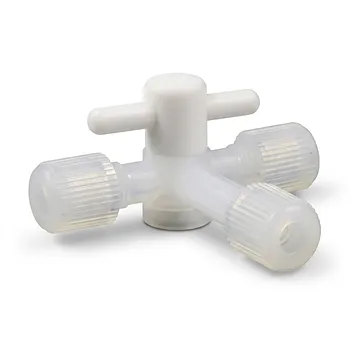
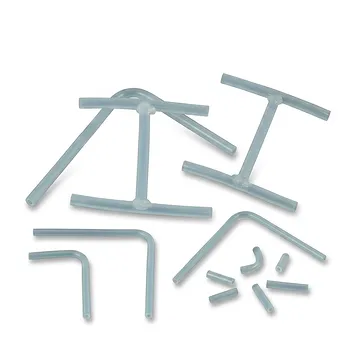
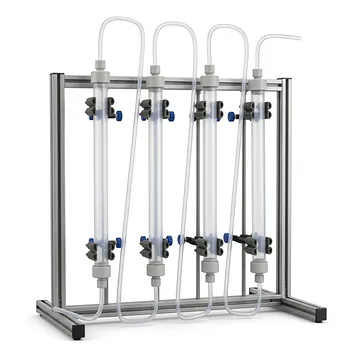
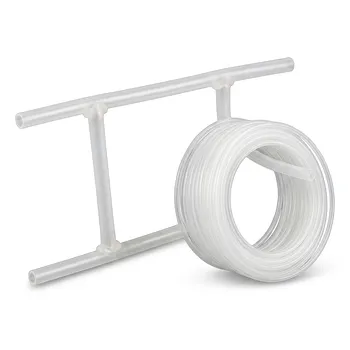
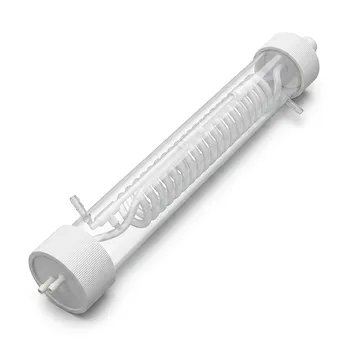
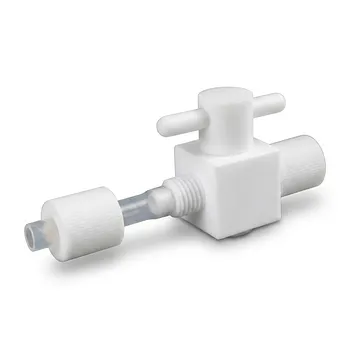
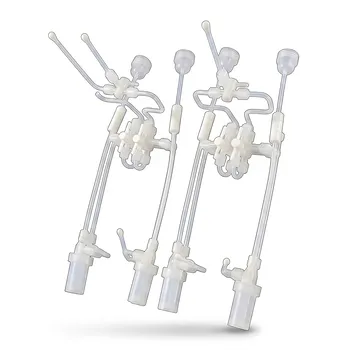
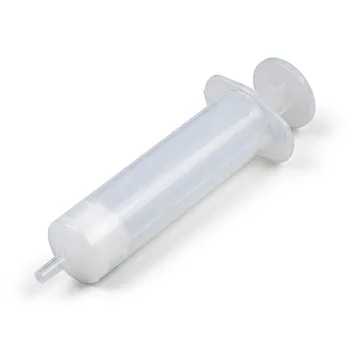
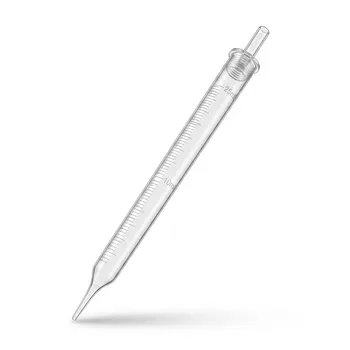
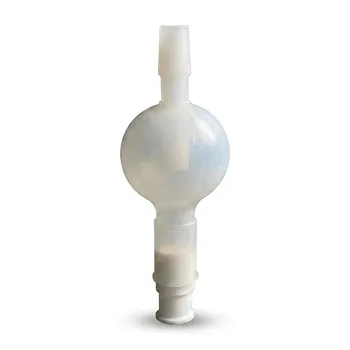
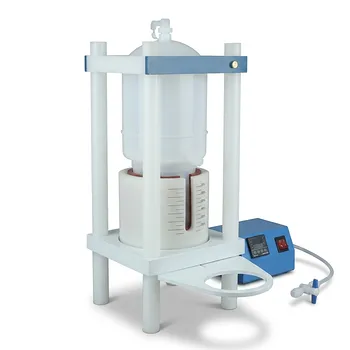
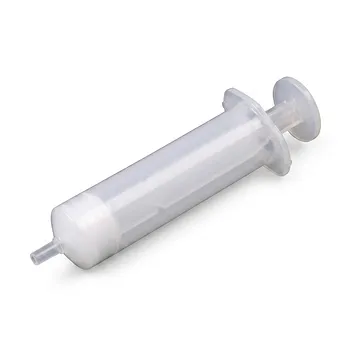
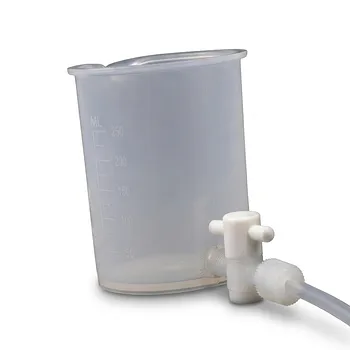
High-purity PFA (perfluoroalkoxy) components are required because they eliminate trace metal ion contamination and provide total chemical inertness during reagent proportioning.
In the synthesis of complex materials like zeolites, the precise ratio of organic structure-directing agents (OSDAs) to silica sources determines the final crystalline structure. PFA fluid transfer systems ensure that no leached impurities or surface interactions disrupt the formation of critical secondary building units, thereby guaranteeing experimental reproducibility.
High-purity PFA is the definitive choice for fluid transfer because it acts as a neutral medium, preventing metallic leaching and reagent adsorption that would otherwise compromise the delicate chemical balance between OSDAs and silicate materials.
The Impact of PFA on Zeolite Nucleation
Protecting the OSDA-to-Silicate Ratio
The nucleation process of zeolites is highly sensitive to the exact concentration of organic structure-directing agents. Even microscopic deviations in the ratio of OSDAs to silica can lead to the formation of unintended phases or incomplete crystallization.
Ensuring the Formation of Secondary Building Units
Specific structural features, such as double four-membered rings (D4R), rely on a precise chemical environment to assemble correctly. High-purity PFA prevents trace metal ions from entering the reaction system, which could otherwise interfere with these building units and alter the synthesis pathway.
Maintaining Systematic Reproducibility
Consistency is the primary challenge in high-purity synthesis. By using PFA tubing, valves, and fittings, researchers eliminate the "equipment variable," ensuring that every batch of material is subjected to the exact same chemical conditions without influence from the fluid delivery system.
Material Advantages of High-Purity PFA
Exceptional Chemical Inertness
PFA is virtually non-reactive with the aggressive acidic or alkaline reagents often used as silica sources or OSDAs. This inertness ensures that the reagents do not corrode the transfer lines, which would otherwise introduce metallic impurities into the process.
Extremely Low Metal Ion Leaching
Unlike standard plastics or lower-grade fluoropolymers, high-purity PFA has a near-zero background for metal ion leaching. This is critical for trace analysis and advanced material synthesis where even parts-per-billion (ppb) levels of contamination can fail a batch.
Prevention of Reagent Adsorption
PFA surfaces are optimized to prevent target elements or molecules from sticking to the walls of the tubing or vessels. This ensures that the full, intended concentration of the OSDA reaches the reaction vessel, maintaining the integrity of the proportioning step.
Understanding the Trade-offs and Limitations
The Cost of Purity
High-purity PFA components carry a significant price premium compared to PTFE or standard PFA. For applications that do not involve trace-level sensitivity or structural directing agents, this investment may exceed the functional requirements of the project.
Mechanical and Thermal Constraints
While PFA is chemically robust, it is softer than many metallic components and can be prone to "creep" under high pressure or extreme temperatures. Users must ensure that fittings and connections are rated for the specific pressure-temperature profile of their transfer process to avoid leaks.
Complexity of Installation
High-purity systems require specialized handling to maintain their cleanliness during assembly. If a PFA component is handled with bare hands or installed in a contaminated environment, its "high-purity" advantages are effectively neutralized.
Making the Right Choice for Your Goal
How to Apply This to Your Project
Properly selecting your fluid transfer material depends on the sensitivity of your synthesis and the nature of your reagents.
- If your primary focus is zeolite synthesis or D4R formation: Utilize high-purity PFA for all transfer lines and valves to ensure that the OSDA-to-silica ratio remains uncontaminated by trace metals.
- If your primary focus is aggressive reagent handling (without trace sensitivity): Standard PTFE or lower-grade PFA may suffice, as these materials still offer the necessary corrosion resistance at a lower price point.
- If your primary focus is ultra-trace analysis (ppb levels): Mandate the use of PFA labware and transfer components to prevent the adsorption of target elements and ensure the highest possible data accuracy.
By prioritizing the purity of the transfer medium, you ensure that your results are a product of your chemistry rather than your equipment.
Summary Table:
| Feature | Benefit | Impact on Synthesis |
|---|---|---|
| Chemical Inertness | Resists aggressive OSDAs and silica sources | Prevents reagent degradation and corrosion |
| Ultra-Low Leaching | Eliminates trace metal ion background | Protects secondary building units (D4R) |
| Non-Adsorptive | Prevents molecules from sticking to walls | Ensures exact OSDA-to-silica ratios |
| Thermal Stability | Reliable performance in varied environments | Maintains system integrity during reactions |
| Reproducibility | Eliminates equipment-induced variables | Guarantees consistent material crystallization |
Elevate Your Synthesis Precision with KINTEK
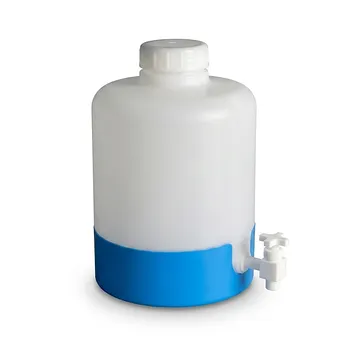
Ensure the integrity of your complex material synthesis with KINTEK’s high-performance fluoropolymer solutions. From everyday basic labware like PFA beakers, reagent bottles, and digestion tubes to specialized fluid transfer components (tubing, fittings, valves) and filtration tools, we provide the absolute chemical inertness required for sensitive OSDA and silica proportioning.
Whether you need standard consumables like stirring bars and gaskets or advanced apparatus such as hydrothermal synthesis liners, microwave digestion vessels, and custom electrochemical cells, KINTEK manufactures virtually every laboratory supply crafted from premium PTFE and PFA.
Why choose KINTEK?
- End-to-End Customization: Expert CNC fabrication for complex non-standard parts and bespoke laboratory setups.
- Unrivaled Purity: Absolute focus on high-performance materials to eliminate trace metal contamination.
- Scalable Solutions: Equipped to handle everything from individual custom pieces to high-volume industrial orders.
Don't let equipment variables compromise your research. Contact us today to secure the high-purity PFA components your project demands!
References
- Debdas Dhabal, Valeria Molinero. Barrierless nucleation in glassy precursors drives zeolite formation. DOI: 10.1073/pnas.2506679122
This article is also based on technical information from Kintek Knowledge Base .
Related Products
- High Purity PFA Valves and Weldable Corrosion Resistant Transparent Tubing for Semiconductor Sensor Manufacturing Fluid Transfer
- Corrosion Resistant High Purity PFA Valve and Weldable Transparent Tubing for Semiconductor Fluid Transfer
- High Performance PFA Coiled Spring Tubing and Custom PTFE Fabrication Services with Welded Fittings and Precision Bent Components
- High Purity PFA Chromatography Columns Series Filtration Resin Ion Exchange System with Sieve Plate Rack Customizable Corrosion Resistant Laboratory Fluid Handling
- Corrosion Resistant PFA Tubing 1/4 Inch Custom Molded Welded Fluid Transfer Components
People Also Ask
- Why are high-purity PFA fluid transfer components preferred for battery electrolytes? Ensure Purity & Data Accuracy
- How does high-purity PFA tubing maintain reagent purity? Achieve Ultra-Smooth, Zero-Contamination Fluid Transfer
- What role do PFA tubing and valves play in high-precision laboratory fluid transfer systems? Ensure Ultra-Pure Results
- How do PFA fluid transfer components contribute to chemical research precision? Achieve high-purity results today.
- How do high-precision PFA fluid transfer components, such as tubing and fittings, affect the results of continuous-flow synthesis?