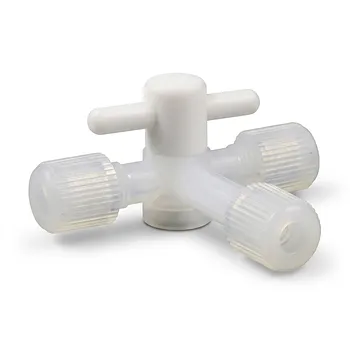
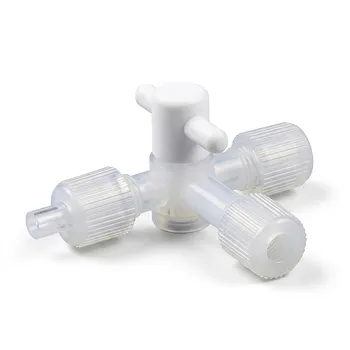
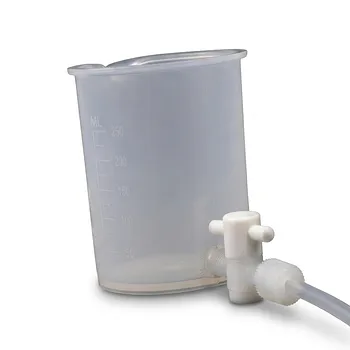
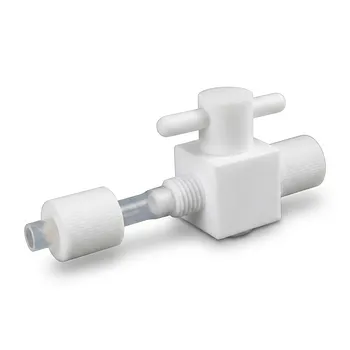
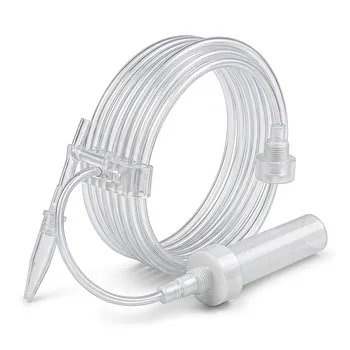
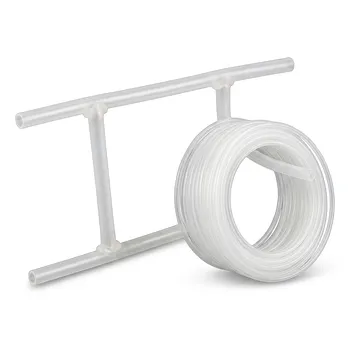
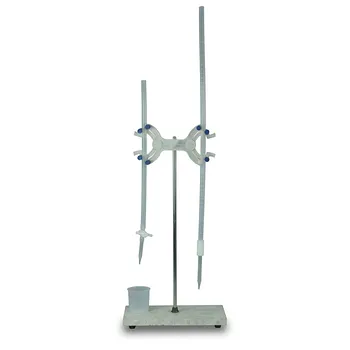
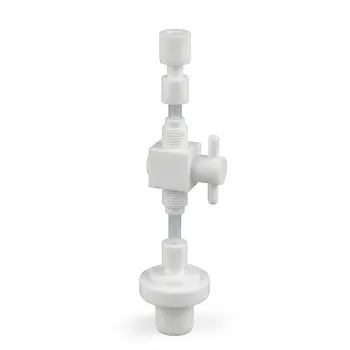
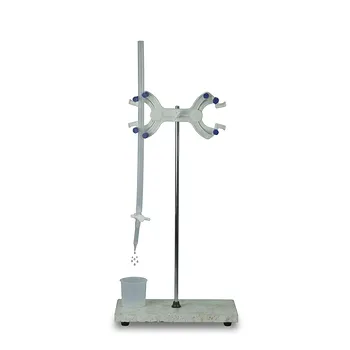
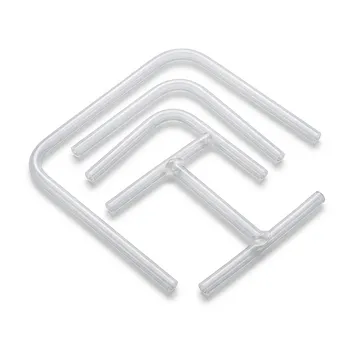
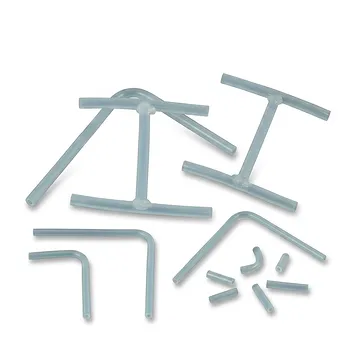
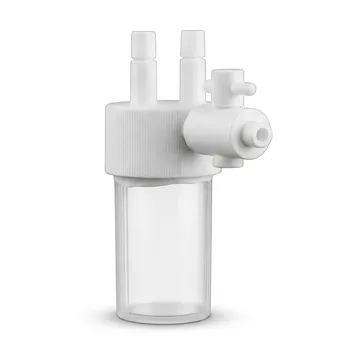
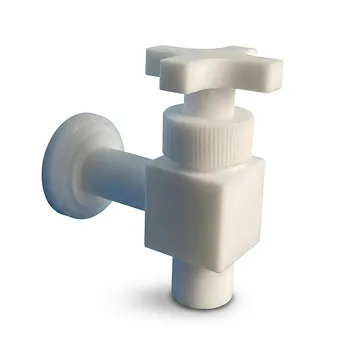
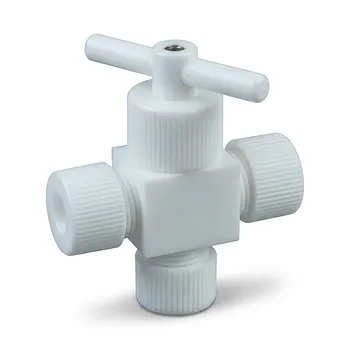
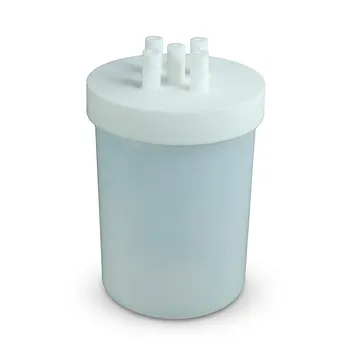
PFA tubing and valves are the backbone of high-purity fluidic circuits. They function as an inert, ultra-smooth conduit that ensures fluids remain uncontaminated and volumes remain precise during transfer. By combining broad chemical resistance with physical transparency, these components allow for the safe, visible, and repeatable movement of aggressive reagents in automated systems.
PFA components provide a chemically inert and physically smooth environment that eliminates fluid retention and cross-contamination. Their primary role is to maintain the absolute integrity of the sample while providing the mechanical reliability needed for high-precision, automated laboratory workflows.
Maintaining Uncompromising Fluid Purity
Eliminating Chemical Interaction
PFA (Perfluoroalkoxy) is prized for its broad chemical compatibility, meaning it does not react with acids, bases, or strong oxidizing reagents. This ensures that the chemical composition of the fluid remains stable from the storage bottle to the reaction vessel.
Minimizing Surface Activity and Leaching
Unlike standard plastics, PFA has low surface activity and high resistance to material aging. This prevents the release of particles or "leachables" into the fluid stream, which is critical for trace analysis and semiconductor applications.
Preventing Cross-Contamination
The material’s extremely smooth inner walls significantly reduce "dead volume" where fluid residues can hide. This ensures that when a system is flushed, no previous samples remain to contaminate the next batch.
Optimizing Flow Dynamics and Precision
Reducing Fluid Resistance
The low friction coefficient of PFA minimizes flow resistance and pressure drops across the system. This allows for more precise control over flow rates, especially in continuous flow chemistry where stability is paramount.
Preventing Clogging and Biofilms
Because PFA has low surface energy, it effectively resists the accumulation of biofilms, crystalline materials, and microorganisms. This prevents the "clogging" that often plagues less sophisticated tubing materials in long-term experiments.
Real-Time Visual Monitoring
Most PFA tubing and valves are translucent or highly transparent, allowing operators to monitor fluid status in real-time. This makes it easy to detect air bubbles, color changes, or potential blockages without breaking the sealed system.
Ensuring System Longevity and Reliability
Superior Mechanical Strength and Flex Life
PFA offers an excellent flex life and high pressure resistance, making it ideal for automated systems with moving parts. It maintains its sealing integrity even under the stress of repeated valve cycling or complex routing.
Resistance to Thermal and Chemical Permeation
PFA exhibits anti-permeability properties, meaning volatile chemicals are less likely to seep through the walls of the tubing. This protects both the purity of the fluid and the safety of the laboratory environment.
Versatile Routing in Confined Spaces
The flexibility of PFA tubing allows for intricate layouts in modern, compact laboratory instruments. This flexibility does not come at the cost of strength, as the material resists kinking that could obstruct fluid flow.
Understanding the Trade-offs
The Cost of Performance
PFA is significantly more expensive than common polymers like polyethylene or PTFE. It is generally reserved for applications where high purity and chemical resistance are non-negotiable requirements.
Installation Sensitivity
While flexible, PFA requires specialized high-purity fittings to maintain a zero-leakage seal. Incorrectly installed fittings can compromise the entire fluid path, leading to contamination or pressure loss.
Thermal Expansion Considerations
While PFA has high temperature resistance, it also has a high coefficient of thermal expansion. In environments with extreme temperature swings, the tubing and valves may expand or contract, requiring careful system design to prevent joint fatigue.
Making the Right Choice for Your Goal
How to Apply This to Your Project
- If your primary focus is Trace Analysis: Use PFA to ensure that no metallic ions or organic impurities leach into your samples.
- If your primary focus is High-Throughput Automation: Prioritize PFA for its long flex life and smooth walls to minimize maintenance downtime caused by clogs.
- If your primary focus is Corrosive Chemical Handling: Leverage PFA’s near-perfect chemical resistance to handle aggressive acids and bases safely.
By integrating PFA components into your fluid path, you secure a reliable, ultra-pure environment that protects the accuracy of your scientific data.
Summary Table:
| Feature | Key Advantage | Laboratory Impact |
|---|---|---|
| Chemical Inertness | Resists aggressive acids/bases | Maintains absolute sample integrity |
| Ultra-Smooth Walls | Minimized "dead volume" | Eliminates cross-contamination and leaching |
| Low Friction | Reduced flow resistance | Enables precise, stable flow control |
| Transparency | Visual fluid monitoring | Easy detection of bubbles or blockages |
| High Flex Life | Superior mechanical strength | Reliable performance in automated systems |
Optimize Your Fluidic Precision with KINTEK’s Fluoropolymer Solutions
Ensure uncompromising purity and mechanical reliability in your lab with high-performance components from KINTEK. We specialize exclusively in high-performance fluoropolymers, providing an exhaustive range of laboratory supplies crafted from PTFE and PFA.
From everyday basic labware (beakers, measuring cylinders, crucibles, dishes, reagent/wash bottles, centrifuge and digestion tubes) and high-purity trace analysis instruments to comprehensive fluid transfer components (tubing, fittings, valves), sample prep and filtration tools (separatory funnels, burettes, filters, pipettes, tweezers, spatulas), and general consumables (stirring bars, O-rings, gaskets, seal tapes, caps, septa), we have you covered.
For more advanced requirements, we offer derivative and reaction apparatus like standard or custom electrochemical cells, battery testing fixtures, electrode accessories, hydrothermal synthesis liners, microwave digestion vessels, microchannel reactors, and condensation/reflux devices. Backed by end-to-end custom CNC fabrication, we deliver everything from complex non-standard machined parts to high-volume orders tailored to your specific research needs.
Ready to upgrade your laboratory setup?
Contact our experts today to discuss your custom PFA or PTFE requirements!
References
- Melena Groß, Hans‐Jürgen Meyer. Hydrothermal Synthesis and Characterization of the Melamine‐Based Second‐Harmonic Generation Material HgCl<sub>2</sub>(C<sub>3</sub>N<sub>6</sub>H<sub>6</sub>). DOI: 10.1002/ejic.202500256
This article is also based on technical information from Kintek Knowledge Base .
Related Products
- High Purity PFA Valves and Weldable Corrosion Resistant Transparent Tubing for Semiconductor Sensor Manufacturing Fluid Transfer
- Corrosion Resistant High Purity PFA Valve and Weldable Transparent Tubing for Semiconductor Fluid Transfer
- PFA Beaker with Integrated Drainage Valve and Discharge Tube for Corrosive Chemical Processing and High Purity Laboratory Applications
- High Purity PFA Flared Globe Valve Custom Two Way Three Way Reducing PTFE Valve Heavy Metal Free
- Custom PFA Tubing 1/4 Inch High Purity Corrosion Resistant Fluoropolymer Tube with Welding and Machining Services
People Also Ask
- Why are high-purity PFA fluid transfer components preferred for battery electrolytes? Ensure Purity & Data Accuracy
- How do PFA fluid transfer components contribute to chemical research precision? Achieve high-purity results today.
- How do high-precision PFA fluid transfer components, such as tubing and fittings, affect the results of continuous-flow synthesis?
- Why is PFA often selected over traditional PTFE for manufacturing complex fluoropolymer fluid components, custom fittings, and sealed laboratory digestion vessels? Discover the key advantages for your lab.
- How does PFA compare to FEP in terms of heat resistance and environmental effects? Choose the Right Fluoropolymer