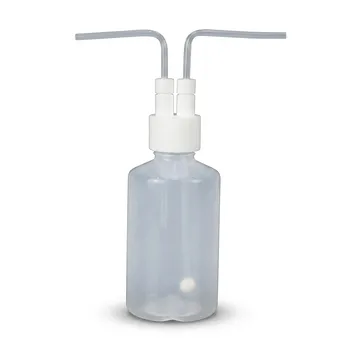
PTFE connectors are specialized components designed to maintain fluid purity and chemical resistance in demanding industrial and research environments.
Commonly utilized across chromatography, pharmaceutical manufacturing, and chemical processing, these connectors range from high-precision compression fittings for analytical tubing to heavy-duty cam-lock couplings for large-scale fluid transfer. The choice of connector is primarily dictated by the system's operating pressure, the corrosive nature of the media, and the frequency of assembly and disassembly.
Core Takeaway: PTFE connectors provide an essential chemically inert interface that prevents sample contamination and hardware corrosion. Selecting the correct type—whether compression, barbed, or lined—is critical to balancing leak-proof integrity with the mechanical limitations of the material.
Common Types of PTFE Tubing Connectors
Compression Fittings for High-Pressure Precision
These are the standard for rigid tubing in analytical setups like HPLC (High-Performance Liquid Chromatography) and gas chromatography. They utilize a ferrule system to create a precise, high-pressure seal that maintains sample integrity without introducing contaminants.
Push-to-Connect Pneumatic Fittings
Ideal for low-pressure air or fluid lines, these allow for rapid, tool-free assembly and disassembly. They are frequently used in automated laboratory systems and simple industrial pneumatic lines where speed is a priority.
Barbed and Crimp Fittings for Flexible Hoses
Barbed fittings are designed to grip the inner diameter of flexible tubing, making them the go-to choice for peristaltic pumps and general drainage. For more permanent or higher-pressure applications, crimp fittings provide a secure, tamper-resistant bond to the hose.
Large-Scale Industrial Process Connectors
Cam-Lock and Quick-Couplings
These facilitate the transfer of corrosive fluids in large-diameter systems where frequent connection and disconnection are required. They are engineered to minimize downtime in chemical processing plants and bulk transportation containers.
PTFE-Lined Piping and Expansion Joints
In large-scale process piping, pure PTFE lacks the structural strength for high-volume flow. PTFE-lined fittings combine the mechanical strength of a metallic outer shell with the superior chemical resistance of an internal PTFE barrier.
Expansion Joints for Thermal Management
Because PTFE can withstand temperatures up to 500°F (260°C), expansion joints are used to absorb thermal growth and vibration in piping systems. This prevents mechanical stress from damaging expensive pumps or reactors.
Specialized Research and Analytical Interfaces
Chromatography Septa and Cap Liners
In pharmaceutical research, PTFE is often layered with silicone to create vial septa. These allow needles to pierce the cap for sampling while ensuring the remaining active pharmaceutical ingredients (APIs) remain stable and uncontaminated.
Threaded PTFE Fasteners and Seals
Fasteners such as screws, nuts, and bolts made of PTFE are used in assemblies where metal would react with the environment. These are common in medical devices and electronics where non-conductivity and non-reactivity are essential.
Specialized O-Rings and Lip Seals
PTFE O-rings provide excellent chemical resistance for sealing valves and pumps. Lip seals are used specifically for moving parts, such as rotating shafts, where the low-friction property of PTFE reduces wear and increases mechanical efficiency.
Understanding the Trade-offs
Mechanical Strength vs. Chemical Inertness
While PTFE is virtually immune to chemical attack, it is a relatively soft material subject to "cold flow" or creep. Under constant pressure, the material can slightly deform, which may lead to leaks over time if the fittings are not designed with this characteristic in mind.
Thermal Expansion Challenges
PTFE has a high coefficient of thermal expansion compared to the metals it is often paired with. In systems with fluctuating temperatures, this can cause connectors to loosen; utilizing filled PTFE (reinforced with glass or carbon) is a common strategy to mitigate this issue.
Pressure Limitations
Unreinforced PTFE connectors are generally not suitable for extreme high-pressure hydraulic applications. For these scenarios, composite seals or metallic fittings with PTFE linings are necessary to prevent the connector from bursting or deforming.
How to Apply This to Your Project
Selecting the right connector requires matching the mechanical design to your specific fluid dynamics and environmental conditions.
- If your primary focus is analytical purity (HPLC/GC): Use PTFE compression fittings with high-quality ferrules to ensure a leak-proof, zero-dead-volume connection.
- If your primary focus is bulk chemical transfer: Opt for PTFE-lined cam-lock couplings or expansion joints to balance structural integrity with corrosion resistance.
- If your primary focus is laboratory automation: Implement push-to-connect PTFE fittings to allow for rapid reconfiguration of fluid paths without specialized tools.
- If your primary focus is sealing moving machinery: Utilize PTFE lip seals or V-rings to take advantage of the material's low friction and wear resistance.
By correctly matching the connector type to the application's pressure and temperature requirements, you ensure a safe, long-lasting, and contamination-free system.
Summary Table:
| Connector Type | Primary Application | Key Benefit |
|---|---|---|
| Compression Fittings | HPLC & Gas Chromatography | High-pressure precision & zero dead volume |
| Push-to-Connect | Automated Lab Systems | Rapid, tool-free assembly and disassembly |
| Barbed Fittings | Peristaltic Pumps & Drainage | Secure grip for flexible tubing inner diameters |
| Cam-Lock Couplings | Bulk Chemical Transfer | Fast, heavy-duty connection for large systems |
| PTFE-Lined Piping | Corrosive Industrial Processes | Combines metal strength with chemical inertness |
| Lip Seals & O-Rings | Rotating Shafts & Valves | Low friction, wear resistance, and tight sealing |
Upgrade Your Fluid Integrity with KINTEK’s Fluoropolymer Expertise
Need precision-engineered PTFE or PFA components for your most demanding applications? From standard labware like beakers, reagent bottles, and tubing to complex custom CNC-machined parts and advanced reaction apparatus, KINTEK provides a comprehensive range of high-performance fluoropolymer solutions.
Whether you require high-purity fluid transfer components (valves, fittings, connectors), specialized sample prep tools, or bespoke laboratory setups like electrochemical cells and microwave digestion vessels, our end-to-end fabrication capabilities ensure absolute quality and reliability. We maintain an exclusive focus on high-performance materials to help you eliminate contamination and corrosion in every experiment.
Ready to optimize your lab's performance? Contact KINTEK today to discuss your project requirements and receive a tailored quote!
Related Products
- PTFE Corrosion Resistant Filter with PFA Valve Connections and Integrated Sieve Plate
- High Purity PTFE Filter with PFA Valve Connections and Integrated Sieve Plate for Corrosive Fluid Processing
- Corrosion Resistant PTFE Multi Layer Sieve with Threaded Connections for Bio Chemical Laboratory Extraction and Customizable Mesh Size
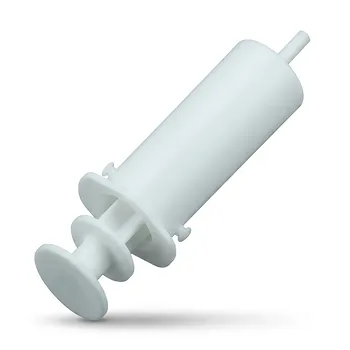
- Custom PTFE Corrosion Resistant White Syringe with Threaded Luer Connector Compatibility
- High Temperature Resistant PTFE White Screw Plugs Custom T Shaped Sealing Hole Stoppers Waterproof Dustproof Chemical Inert Laboratory Fasteners
People Also Ask
- What sizes and pore options are available for PTFE filters? Choose the Right Filter for Your Application
- What steps are involved in selecting the proper PTFE filter? A 4-Step Guide to Optimal Filtration
- Which chemicals are fully compatible with PTFE filters? Discover Unmatched Chemical Resistance
- How does the hydrophobicity of PTFE filters benefit their use? Ensure Uninterrupted Gas Flow and Solvent Filtration
- What temperature resistance do PTFE filters offer? Unmatched Thermal Stability from -200°C to +260°C