Reinforced and filled PTFE grades are engineered to bridge the gap between the chemical inertness of plastics and the mechanical strength of metals. By adding fillers like carbon or glass, these materials gain the compressive strength and dimensional stability required to prevent "cold flow" or deformation under high-pressure loads. In industrial rotors and valves, this ensures long-term sealing integrity and wear resistance, particularly when handling abrasive slurries or operating in high-temperature environments.
Core Takeaway: Reinforced PTFE transforms a naturally soft, low-friction polymer into a high-performance composite capable of maintaining its shape and seal under intense mechanical stress. It is the definitive choice for applications where chemical resistance is mandatory but virgin PTFE would fail due to structural deformation or rapid wear.
Enhanced Mechanical Stability under Pressure
Overcoming the "Cold Flow" Phenomenon
Virgin PTFE is prone to "creep," where the material slowly deforms under a constant load. Reinforced grades use fillers like glass or carbon to provide a structural internal matrix that resists this movement.
Superior Compressive Strength
In valve seats and rotor bearings, the material must withstand significant clamping and operational forces. Filled composites offer much higher compressive strength, ensuring the component does not crush or lose its sealing face when the system is pressurized.
Maintaining Dimensional Stability
Rotors and valves require tight tolerances to prevent leakage and ensure smooth rotation. Reinforced PTFE maintains its shape across a wide range of temperatures and pressures, preventing the "rounding off" of edges that leads to internal bypass or mechanical seizing.
Superior Wear Resistance in Harsh Environments
Handling Abrasive Slurries and Viscous Media
Industrial processes often involve particulates that act like sandpaper on soft surfaces. Filled PTFE grades significantly improve wear resistance, making them ideal for wastewater treatment and gear pumps where abrasive friction is a constant threat.
Self-Lubricating and Grease-Free Operation
Because PTFE is naturally non-stick and has low friction, components like bushings do not require external lubrication. This eliminates the risk of product contamination and prevents the buildup of sticky residues on valve internals or rotor shafts.
Extended Service Intervals
By resisting the physical erosion caused by high-flow velocities and grit, reinforced components last longer than their virgin counterparts. This translates directly to increased equipment productivity and a drastic reduction in costly industrial downtime.
Unmatched Chemical and Thermal Resilience
Immunity to Aggressive Chemicals
Like virgin PTFE, reinforced grades are virtually impervious to strong acids, solvents, and corrosive agents. This allows for the safe control of hazardous substances in chemical processing plants without the risk of material degradation or catastrophic failure.
High-Temperature Performance
Reinforced PTFE can operate continuously at temperatures up to 260°C (500°F) without losing its structural integrity. This thermal stability is critical for steam-jacketed valves or high-speed rotors where friction-generated heat could soften standard polymers.
Compliance and Safety Standards
Many filled PTFE grades conform to international food and drug regulations, such as the Federal Food, Drug, and Cosmetic Act. They also meet stringent leakage requirements like TA-Luft 2002, ensuring environmental safety in regulated industries.
Understanding the Trade-offs
Higher Upfront Material Costs
Reinforcing agents and the specialized manufacturing processes required for composites make these grades more expensive than Virgin PTFE. However, this is typically offset by the reduction in maintenance and replacement costs over the life of the equipment.
Impact on Electrical and Surface Properties
While virgin PTFE is an excellent electrical insulator, certain fillers like carbon can increase electrical conductivity. Additionally, glass-filled grades can be abrasive to softer mating surfaces, such as aluminum shafts, potentially causing wear on the metal parts rather than the seal.
Making the Right Choice for Your Goal
To maximize the performance of your industrial rotors and valves, consider the specific demands of your operating environment:
- If your primary focus is high-pressure sealing: Select a glass-filled grade to maximize compressive strength and prevent seat deformation.
- If your primary focus is abrasive wear or high-speed rotation: Choose carbon-filled PTFE for its superior wear resistance and better thermal conductivity to dissipate heat.
- If your primary focus is chemical purity in food or pharma: Ensure your selected grade is FDA-compliant and uses non-reactive fillers to prevent media contamination.
- If your primary focus is preventing shaft wear: Consider a virgin PTFE or a specialized soft-filled grade if the mating metal surface is not hardened.
By matching the specific filler to your mechanical loads and chemical environment, you ensure that your rotors and valves operate with maximum reliability and minimum intervention.
Summary Table:
| Feature | Benefit for Rotors & Valves | Recommended Filler |
|---|---|---|
| Mechanical Strength | Prevents "cold flow" and structural deformation | Glass or Carbon |
| Wear Resistance | Long-lasting performance in abrasive slurries | Carbon-filled |
| Thermal Stability | Operates safely up to 260°C (500°F) | All reinforced grades |
| Chemical Inertness | Resists aggressive acids and solvents | Virgin or specialized fillers |
| Self-Lubrication | Eliminates product contamination from grease | Naturally inherent to PTFE |
| Dimensional Stability | Ensures tight sealing tolerances under load | Glass-filled |
Precision-Engineered PTFE & PFA Solutions for Your Most Demanding Applications
Maximize your operational reliability with KINTEK, your premier partner for high-performance fluoropolymer laboratory supplies and industrial components. From everyday basic labware like beakers, crucibles, and reagent bottles to complex fluid transfer systems involving high-purity tubing, valves, and fittings, we deliver unmatched chemical and mechanical resilience.
Our expertise extends to advanced sample prep tools, filtration instruments, and sophisticated reaction apparatus—including standard or custom electrochemical cells, battery testing fixtures, and microwave digestion vessels. Backed by end-to-end custom CNC fabrication, KINTEK can produce everything from complex non-standard machined parts to high-volume orders with an exclusive focus on PTFE and PFA excellence.
Ready to upgrade your equipment with superior reinforced materials?
Contact our engineering team today to discuss your custom specifications!
Related Products
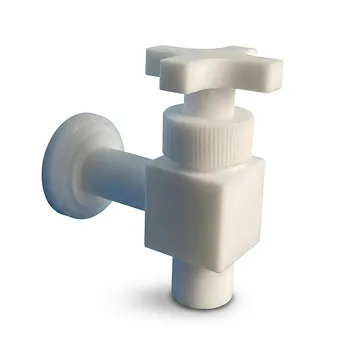
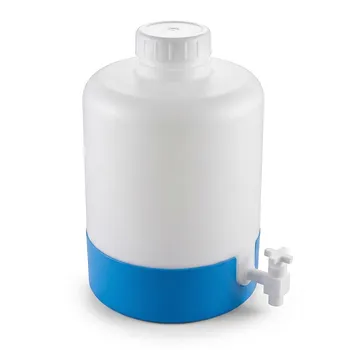
- High Corrosion Resistant PTFE Faucet Polytetrafluoroethylene Valve for Chemical Storage Drums and Fluid Transfer Systems Customizable Industrial Grade
- Corrosion Resistant PTFE Polytetrafluoroethylene Valve and Customizable Laboratory Fluid Dispensing Faucet for Aggressive Chemical Handling in Industrial Storage Tanks and Plastic Drums
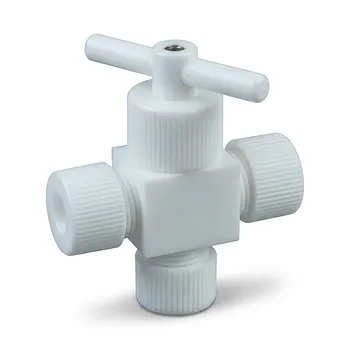
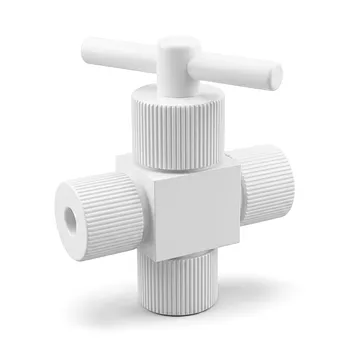
- Custom PTFE Valve 2-Way 3-Way Corrosion Resistant Low Background Virgin Fluoropolymer Industrial Fluid Control
- Corrosion Resistant PTFE Valves Customizable 2 Way 3 Way 4 Way High Temperature Teflon Fluid Control Solutions
- High Purity PTFE Faucet Corrosion Resistant Polytetrafluoroethylene Drum Valve Customizable Lab Chemical Fluid Control
People Also Ask
- What is the typical operating temperature and pressure range for PTFE valves? Key Specs for Optimal Performance
- How do PTFE valves and components support high-purity liquid transfer? Ensure Product Integrity with Inert Materials
- What industries commonly use PTFE valves and components? Essential for Chemical & Purity Applications
- What specific advantages do PTFE valves offer? Unmatched Corrosion Resistance for Industrial Chemical Handling
- What are the key properties of PTFE valves? Ensure Purity, Safety, and Reliability in Demanding Processes