The leak-tight seal in a PTFE rotary selector valve is achieved through axial compression and face sealing. By applying a consistent mechanical load, the polished face of the PTFE rotor is pressed firmly against a stationary stator. This force causes the PTFE to conform to microscopic surface irregularities, creating a continuous contact zone that blocks all potential leak paths.
The core of this sealing method is "Face Sealing," where axial pressure transforms the PTFE rotor into a custom-fit gasket against the stator. This physical deformation ensures that fluid cannot bypass the designated ports or escape the valve assembly.
The Mechanics of Face Sealing
The Role of Axial Loading
A rotary selector valve requires a constant force to maintain its seal during operation. This is accomplished by applying an axial load that pushes the rotor and stator together. This pressure ensures the two surfaces remain in intimate contact, even as the rotor turns to different positions.
Microscopic Surface Conformance
No matter how well-polished a stator is, it will possess microscopic peaks and valleys. PTFE’s inherent elasticity allows it to "flow" slightly into these irregularities when under compression. This material deformation creates a reliable contact zone that acts as a physical barrier to fluid movement.
Achieving a Polished Interface
For the seal to be effective, the rotor face must be highly polished. A smooth surface reduces the amount of force required to achieve a leak-tight state. This minimizes friction during rotation while ensuring there are no deep scratches that fluid could exploit.
Maintaining Fluid Integrity
Preventing Cross-Port Leakage
In a selector valve, the primary risk is fluid "short-circuiting" between adjacent ports. The face seal mechanism creates a high-pressure boundary between these ports. Because the PTFE conforms tightly to the stator, the fluid is forced to follow the intended internal channels rather than leaking across the face.
Eliminating External Leakage
External leaks occur when fluid escapes the valve body entirely, often leading to sample loss or contamination. The compression of the rotor against the stator creates a perimeter seal that isolates the fluid path from the atmosphere. This is critical for maintaining the integrity of stored substances and preventing evaporation or environmental contamination.
Understanding the Trade-offs
Material Wear and "Cold Flow"
While PTFE's ability to deform is its greatest strength, it can also lead to cold flow or permanent deformation over time. Excessive axial load can accelerate wear, eventually requiring the rotor or stator to be replaced to maintain a seal. The system must balance enough pressure for a seal with low enough friction to prevent premature component failure.
Heat and Pressure Velocity (PV) Limits
PTFE has a specific Pressure Velocity (PV) limit, often recommended around 150,000 in similar sealing applications. High rotational speeds generate frictional heat, which can soften the PTFE and change its sealing characteristics. If the heat exceeds the material's limits, the seal may degrade or "smear," leading to catastrophic leakage.
Applying This to Your System
Choosing the Right Configuration
Selecting the correct rotor and loading mechanism depends entirely on your operational environment. Consider the chemical compatibility of your fluids to ensure they do not degrade the PTFE or the stator material.
- If your primary focus is high-pressure sealing: Ensure your valve design utilizes a robust axial loading spring to maintain constant face pressure.
- If your primary focus is low-maintenance longevity: Select a rotor with a high-grade, reinforced PTFE compound to minimize cold flow and wear.
- If your primary focus is sensitive sample integrity: Prioritize a highly polished stator surface to achieve a seal with the lowest possible mechanical stress.
Understanding the interaction between axial force and material elasticity is the key to ensuring a reliable, long-lasting seal in any rotary fluidic system.
Summary Table:
| Mechanism | Function in Sealing | Key Benefit |
|---|---|---|
| Axial Loading | Applies consistent mechanical force | Maintains intimate contact between rotor and stator |
| Face Sealing | Transforms rotor into a custom-fit gasket | Prevents fluid bypass and cross-port leakage |
| Material Elasticity | Allows PTFE to "flow" into surface peaks/valleys | Creates a continuous contact zone at the microscopic level |
| Polished Interface | Minimizes surface scratches and friction | Reduces wear and the force required for a leak-tight state |
Elevate Your Fluidic Precision with KINTEK’s Fluoropolymer Expertise
Achieving a perfect, leak-tight seal in demanding laboratory environments requires more than just standard components—it requires precision engineering and high-performance materials. KINTEK specializes in delivering exactly that.
From everyday basic labware like beakers, measuring cylinders, crucibles, dishes, and reagent bottles to high-purity trace analysis instruments and cleaning tanks, we provide the foundational tools your lab needs. Our expertise extends to comprehensive fluid transfer components (tubing, fittings, valves), sample prep tools (separatory funnels, filters, pipettes), and essential consumables (stirring bars, O-rings, gaskets). For advanced research, we offer custom electrochemical cells, battery testing fixtures, and microwave digestion vessels, all crafted from premium PTFE and PFA.
Whether you need complex non-standard machined parts via our end-to-end custom CNC fabrication or high-volume standard orders, KINTEK ensures absolute focus on material performance and durability.
Ready to optimize your system? Contact us today to discuss your custom requirements and discover how our fluoropolymer solutions can enhance your lab's efficiency and integrity.
Related Products
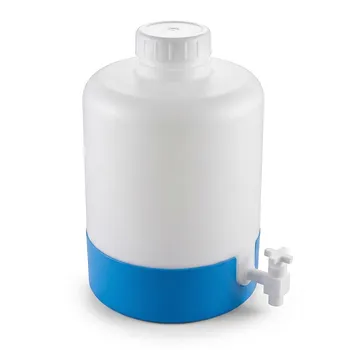
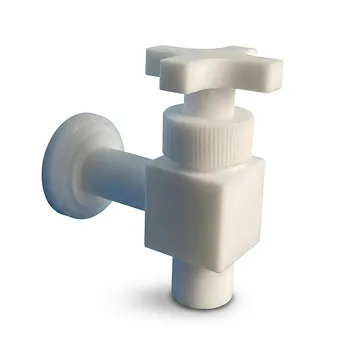
- High Purity PTFE Faucet Corrosion Resistant Polytetrafluoroethylene Drum Valve Customizable Lab Chemical Fluid Control
- Corrosion Resistant PTFE Polytetrafluoroethylene Valve and Customizable Laboratory Fluid Dispensing Faucet for Aggressive Chemical Handling in Industrial Storage Tanks and Plastic Drums
- High Corrosion Resistant PTFE Faucet Polytetrafluoroethylene Valve for Chemical Storage Drums and Fluid Transfer Systems Customizable Industrial Grade
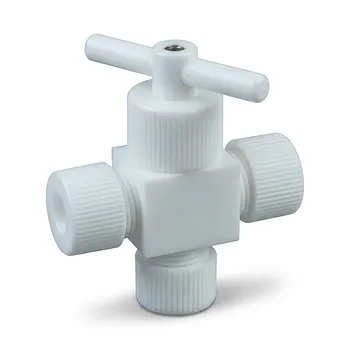
- Custom PTFE Valve 2-Way 3-Way Corrosion Resistant Low Background Virgin Fluoropolymer Industrial Fluid Control
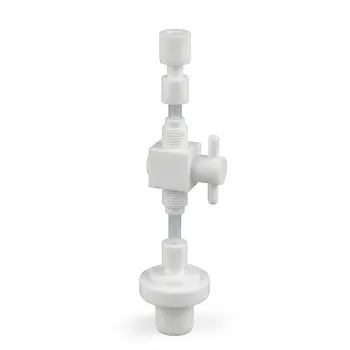
- High Purity PFA PTFE Flare Stop Valves Customizable 2-Way 3-Way Reducing Fluoropolymer Fluid Control Solutions
People Also Ask
- What are the key properties of PTFE valves? Ensure Purity, Safety, and Reliability in Demanding Processes
- What is the typical operating temperature and pressure range for PTFE valves? Key Specs for Optimal Performance
- What industries commonly use PTFE valves and components? Essential for Chemical & Purity Applications
- What specific advantages do PTFE valves offer? Unmatched Corrosion Resistance for Industrial Chemical Handling
- How do PTFE valves and components support high-purity liquid transfer? Ensure Product Integrity with Inert Materials