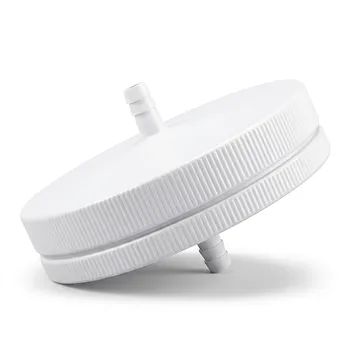
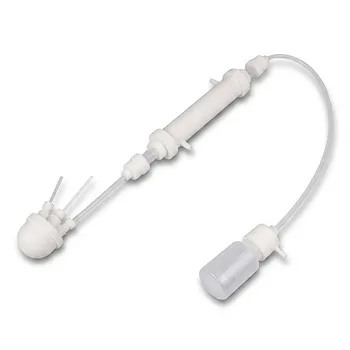
PTFE connectors enhance fluid-handling reliability by providing a chemically inert, non-stick, and thermally resilient interface that eliminates the primary causes of system failure: corrosion and seal degradation. By remaining non-reactive to aggressive acids and solvents, these components prevent material breakdown and leakage that often plague traditional metallic or alloy fittings.
Core Takeaway: PTFE connectors serve as the critical link in high-stakes chemical environments, ensuring long-term system integrity by neutralizing chemical attack and absorbing mechanical stresses like thermal expansion and vibration.
Eliminating Chemical and Contamination Risks
Universal Chemical Inertness
PTFE is virtually non-reactive, allowing it to withstand almost all strong acids, bases, and organic solvents. Unlike metals that can corrode or leach ions, PTFE maintains its structural integrity, which prevents the thinning of connector walls and subsequent catastrophic leaks.
Preservation of Fluid Purity
In industries like pharmaceuticals and semiconductor manufacturing, preventing component dissolution is vital. PTFE connectors do not introduce impurities into the fluid stream, ensuring that the chemical reaction path remains uncontaminated throughout the entire transfer process.
Optimizing Flow and Operational Efficiency
Non-Stick Surface and Low Friction
The low friction coefficient of PTFE is the lowest among solid materials, which significantly reduces pressure drops across the system. This surface also prevents the buildup of residues, minimizing the risk of blockages that can lead to pump strain or unplanned maintenance downtime.
Precision Sealing in High-Pressure Systems
When used in hydraulic or pneumatic systems, PTFE seal rings enable stick-slip-free motion. This ensures high positioning accuracy for actuators while allowing the system to operate smoothly even in dry or low-lubrication conditions.
Mechanical Resilience and Thermal Stability
Managing Thermal Expansion and Vibration
Chemical processes often involve extreme temperature fluctuations that can cause rigid piping to fail. PTFE bellows and expansion joints are specifically designed to flex, accommodating thermal expansion and mechanical vibration without compromising the leak-tight seal.
Wide Operating Temperature Range
PTFE connectors support continuous operation from cryogenic levels up to 260°C. This thermal breadth allows a single connector type to be used across diverse stages of a process, from chilled reagent storage to hot distillation columns.
Understanding the Trade-offs
Mechanical Strength Limits
While PTFE is chemically superior, it lacks the tensile strength of stainless steel or specialized alloys. In very high-pressure applications exceeding 400 bar, PTFE must often be reinforced with filler compounds or external housings to prevent deformation.
The Challenge of "Cold Flow"
PTFE is susceptible to "creep" or cold flow, where the material gradually deforms under a constant load. This means that connectors must be properly designed and sometimes periodically retightened or supported to maintain their sealing pressure over many years.
How to Apply This to Your Project
Making the Right Choice for Your Goal
To maximize the reliability of your fluid-handling system, consider your primary operational priority:
- If your primary focus is conveying aggressive acids (like Hydrofluoric acid): Use machined PTFE unions and NPT fittings to ensure total resistance to chemical degradation.
- If your primary focus is high-purity manufacturing: Prioritize virgin PTFE connectors to eliminate the risk of leached ions or particulate contamination.
- If your primary focus is mechanical longevity in reactors: Implement PTFE bellows and expansion joints to absorb the stresses of thermal cycling and equipment vibration.
By matching the specific grade and design of the PTFE connector to the chemical and mechanical demands of the environment, operators can significantly extend the service life of their critical infrastructure.
Summary Table:
| Key Feature | Impact on Reliability |
|---|---|
| Chemical Inertness | Neutralizes acids/solvents to prevent corrosion and leakage. |
| Purity Preservation | Non-reactive surface ensures zero contamination in fluid paths. |
| Low Friction | Reduces pressure drops and prevents residue or blockage buildup. |
| Thermal Stability | Maintains integrity across a range of cryogenic to 260°C. |
| Mechanical Flex | Absorbs thermal expansion and vibrations to maintain seals. |
Secure Your System Integrity with KINTEK
From everyday basic labware like beakers and reagent bottles to specialized fluid transfer components (tubing, fittings, valves) and advanced reaction apparatus like custom electrochemical cells or microwave digestion vessels, KINTEK provides the ultimate fluoropolymer solutions. We specialize in high-performance PTFE and PFA manufacturing, backed by end-to-end custom CNC fabrication for bespoke laboratory setups and high-volume orders.
Ensure your chemical processing is leak-free and contamination-proof. Contact our experts today to find the perfect precision-machined solution for your specific application.
Related Products
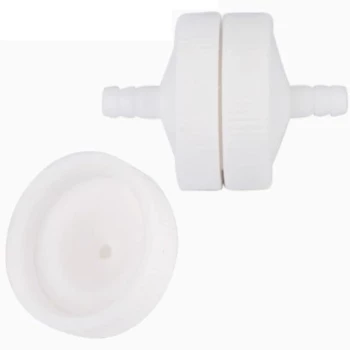
- PTFE Corrosion Resistant Filter with PFA Valve Connections and Integrated Sieve Plate
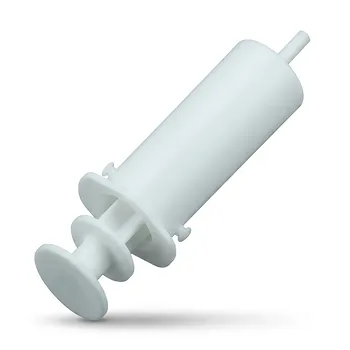
- Custom PTFE Corrosion Resistant White Syringe with Threaded Luer Connector Compatibility
- Corrosion Resistant PTFE Multi Layer Sieve with Threaded Connections for Bio Chemical Laboratory Extraction and Customizable Mesh Size
- High Purity PTFE Filter with PFA Valve Connections and Integrated Sieve Plate for Corrosive Fluid Processing
- High Temperature Resistant PTFE White Screw Plugs Custom T Shaped Sealing Hole Stoppers Waterproof Dustproof Chemical Inert Laboratory Fasteners
People Also Ask
- What steps are involved in selecting the proper PTFE filter? A 4-Step Guide to Optimal Filtration
- What sizes and pore options are available for PTFE filters? Choose the Right Filter for Your Application
- Which chemicals are fully compatible with PTFE filters? Discover Unmatched Chemical Resistance
- How does the hydrophobicity of PTFE filters benefit their use? Ensure Uninterrupted Gas Flow and Solvent Filtration
- What temperature resistance do PTFE filters offer? Unmatched Thermal Stability from -200°C to +260°C