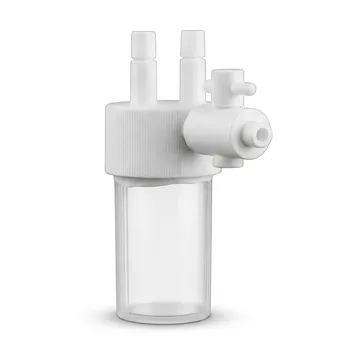
PTFE connectors and unions enhance analytical accuracy by eliminating chemical cross-reactivity and preventing physical sample loss within the fluid path. These components provide a chemically inert environment that ensures the sample reaching the detector is an exact representation of the injected substance, free from leachables or degraded material.
Core Takeaway: PTFE components improve instrument precision by combining universal chemical compatibility with "zero dead-volume" engineering. This synergy prevents chromatographic artifacts like peak broadening and sample carry-over, which are critical for the integrity of trace-level analysis.
Eliminating Chemical Interference and Contamination
Superior Chemical Inertness
PTFE (Polytetrafluoroethylene) is virtually non-reactive with the vast majority of laboratory reagents, acids, and organic solvents. This universal compatibility allows a single connector type to handle diverse mobile phases without the risk of material degradation. By preventing the connector from reacting with the analyte, the system ensures that the chemical signature remains untainted from injection to detection.
Low Leachable Profiles
High-purity fluoropolymers like PTFE and PFA are essential for experiments involving trace product analysis, such as electrochemical carbon dioxide reduction. These materials lack the plasticizers and metal impurities found in lower-grade plastics that can leach into the system. Eliminating these leachables prevents catalyst poisoning and ensures that measured concentrations accurately reflect the true performance of the reaction.
Resistance to Corrosion
Unlike metallic fittings that may corrode when exposed to aggressive halides or strong bases, PTFE unions maintain their structural integrity. This prevents the introduction of metal ions into the fluid stream, which could otherwise interfere with mass spectrometry (MS) or act as unintended catalysts. The non-stick surface further prevents the buildup of corrosive residues that could cause long-term baseline drift.
Maximizing Chromatographic Precision
The Importance of Zero Dead-Volume Design
Accurate High-Performance Liquid Chromatography (HPLC) requires a fluid path with zero dead-volume. PTFE unions are specifically machined to ensure a tight, seamless connection between tubing ends. This prevents the formation of "pockets" where sample molecules can linger, which is the primary cause of peak broadening and diminished resolution.
Smooth Internal Bore and Low Friction
The internal surfaces of PTFE connectors are exceptionally smooth, reducing friction and preventing sample carry-over. A smooth bore ensures that the entire sample plug moves at a consistent velocity through the fitting. This uniformity is vital for maintaining the sharp, well-defined peaks necessary for quantifying trace components in Gas Chromatography (GC).
Non-Wetting and Visual Confirmation
PTFE’s non-wetting surface prevents droplet retention, ensuring that the entire volume of a reagent is delivered without loss. In thin-walled versions, the material's transparency allows technicians to perform visual flow confirmation. This helps identify bubbles or blockages early, preventing the collection of "ghost peaks" or skewed data sets.
Understanding the Trade-offs
Mechanical Strength and Pressure Limits
While PTFE is chemically superior, it is a relatively soft material compared to stainless steel or PEEK. Under extreme high-pressure conditions typical of UHPLC, PTFE fittings may deform or "creep" over time. This mechanical limitation requires users to carefully match the fitting material to the operating pressure of the instrument.
The Phenomenon of Cold Flow
PTFE is susceptible to cold flow, meaning it can slowly deform under constant mechanical load. In a laboratory setting, this may require the occasional re-tightening of unions to maintain a leak-tight seal. Failure to monitor these connections can lead to subtle leaks that introduce air into the system, potentially damaging pumps or compromising oxygen-sensitive samples.
Making the Right Choice for Your Goal
How to Apply This to Your Project
Selecting the correct PTFE components depends on the specific sensitivity and pressure requirements of your analytical method.
- If your primary focus is Trace Analysis: Utilize high-purity PTFE or PFA connectors to eliminate plasticizers and ensure the lowest possible leachable profile.
- If your primary focus is Resolution and Sensitivity: Prioritize "zero dead-volume" machined unions to prevent peak broadening and ensure maximum signal-to-noise ratios.
- If your primary focus is Corrosive Reagent Handling: Choose PTFE bellows and expansion joints to accommodate thermal expansion while maintaining a completely inert fluid path.
By integrating PTFE connectors strategically, you ensure that your analytical results are a product of your chemistry, not your hardware.
Summary Table:
| Feature | Laboratory Benefit | Analytical Impact |
|---|---|---|
| Chemical Inertness | Resists solvents and aggressive acids | Prevents sample contamination/degradation |
| Zero Dead-Volume | Eliminates stagnant fluid pockets | Prevents peak broadening and carry-over |
| Low Leachable Profile | No plasticizers or metal impurities | Critical for high-sensitivity trace analysis |
| Smooth Internal Bore | Consistent velocity and low friction | Ensures sharp, well-defined chromatographic peaks |
| Non-Wetting Surface | Prevents droplet retention | Maximizes sample recovery and delivery accuracy |
Elevate Your Analytical Precision with KINTEK’s Fluoropolymer Excellence
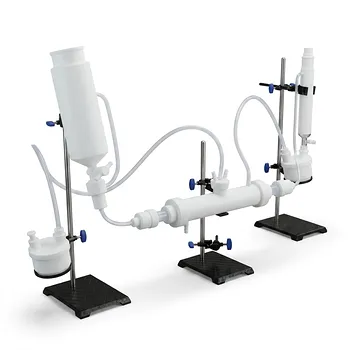
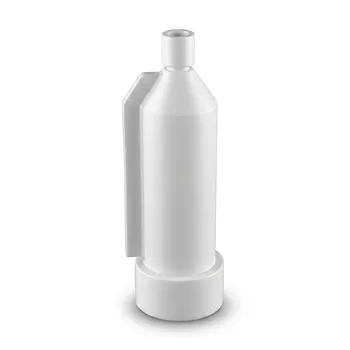
Maximize the integrity of your trace-level analysis with KINTEK’s high-performance laboratory solutions. From everyday basic labware (beakers, crucibles, reagent bottles) and fluid transfer components (PTFE tubing, fittings, valves) to advanced reaction apparatus like electrochemical cells and microwave digestion vessels, we provide the ultimate inert environment for your samples.
At KINTEK, we specialize exclusively in high-performance fluoropolymers (PTFE and PFA). Whether you require standard high-volume orders or bespoke, non-standard machined parts crafted via our end-to-end custom CNC fabrication, we deliver the precision your research demands.
Ready to eliminate chromatographic artifacts and contamination? Contact us today to discuss your custom laboratory setup or to source high-purity components for your next project!
Related Products
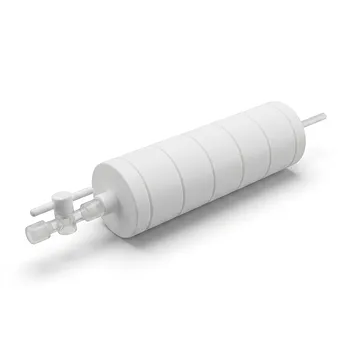
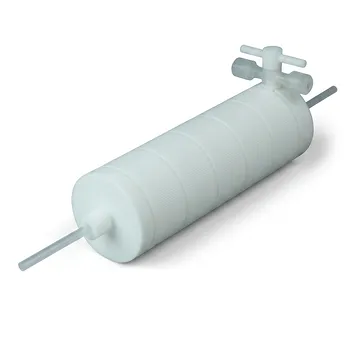
- PTFE Corrosion Resistant Filter with PFA Valve Connections and Integrated Sieve Plate
- High Purity PTFE Filter with PFA Valve Connections and Integrated Sieve Plate for Corrosive Fluid Processing
- Custom PTFE Corrosion Resistant White Syringe with Threaded Luer Connector Compatibility
- High Temperature Resistant PTFE White Screw Plugs Custom T Shaped Sealing Hole Stoppers Waterproof Dustproof Chemical Inert Laboratory Fasteners
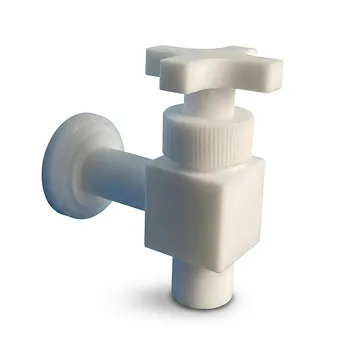
- High Corrosion Resistant PTFE Faucet Polytetrafluoroethylene Valve for Chemical Storage Drums and Fluid Transfer Systems Customizable Industrial Grade
People Also Ask
- What steps are involved in selecting the proper PTFE filter? A 4-Step Guide to Optimal Filtration
- What sizes and pore options are available for PTFE filters? Choose the Right Filter for Your Application
- Which chemicals are fully compatible with PTFE filters? Discover Unmatched Chemical Resistance
- What temperature resistance do PTFE filters offer? Unmatched Thermal Stability from -200°C to +260°C
- How does the hydrophobicity of PTFE filters benefit their use? Ensure Uninterrupted Gas Flow and Solvent Filtration