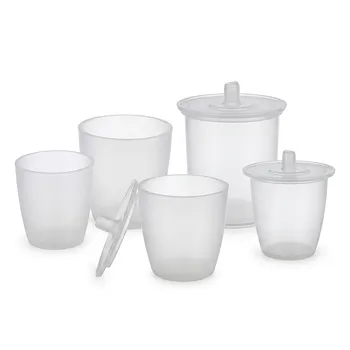
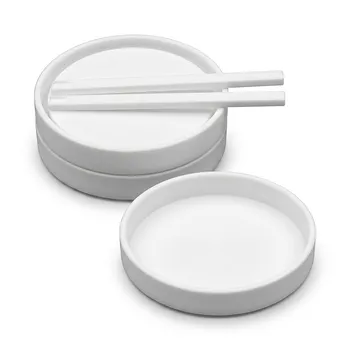
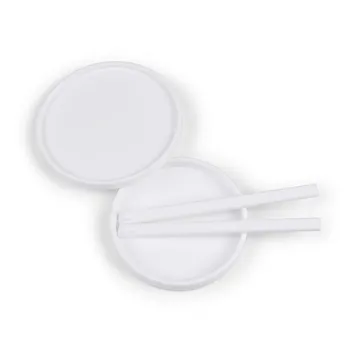
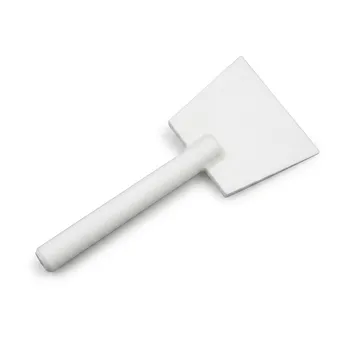
Polytetrafluoroethylene (PTFE) is preferred for trace analysis because it is chemically inert and virtually non-leaching. Unlike glass or standard plastics, it does not release ions, silicates, or trace metals into samples, ensuring that the analytical background remains clean. Its non-reactive nature and hydrophobic surface prevent sample loss through adsorption, which is critical when measuring substances at the microgram or nanogram level.
Core Takeaway: PTFE and related fluoropolymers solve the "container interference" problem in high-purity work by providing a surface that neither adds contaminants nor subtracts analytes. This ensures that the data gathered reflects the true composition of the sample rather than the chemistry of the vessel.
Eliminating Background Contamination
Resistance to Leaching and Extractables
Standard laboratory glassware often releases silicates and trace metal ions into solution, while low-grade plastics can leach plasticizers or organic additives. PTFE possesses extremely low extractables, meaning it does not shed its own molecular components or manufacturing residues into the sample.
Chemical Inertness Across the pH Scale
PTFE is virtually non-reactive with almost all strong acids, bases, and organic solvents. This extreme chemical resistance allows researchers to use aggressive reagents, such as hydrofluoric acid, which would physically dissolve or etch glass containers.
Prevention of Ion Exchange
Glass surfaces can act as ion exchangers, potentially swapping ions with the sample and altering its chemical profile. PTFE’s non-ionic structure eliminates this risk, maintaining the sample's integrity for high-precision methods like Inductively Coupled Plasma (ICP) spectroscopy.
Enhancing Analytical Accuracy
Preventing Wall Adsorption
In trace analysis, losing a small number of molecules to the container walls can result in significant errors. The surfaces of PTFE and PFA are non-adsorptive, preventing metal ions or organic molecules from "sticking" to the vessel walls during storage or processing.
Facilitating Quantitative Transfer
PTFE is highly hydrophobic and "non-wetting," meaning liquids do not easily cling to the surface. This property ensures complete recovery of analytes, as the sample can be poured or pipetted out with minimal residue left behind in the container.
Minimizing Particulate Buildup
The smooth interior of PTFE labware prevents the accumulation of microscopic particulates that could act as a source of cross-contamination. This smooth surface morphology is essential for maintaining the high-purity environments required in semiconductor processing and pharmaceutical synthesis.
Understanding the Trade-offs
Physical Limitations and Opacity
Unlike glass, PTFE is opaque, which can make it difficult for researchers to observe reactions or check for undissolved solids. It is also a relatively soft material that can be deformed under high pressure or scratched if cleaned with abrasive tools.
Thermal and Economic Constraints
While PTFE handles high temperatures well, it does not offer the same structural rigidity as borosilicate glass at its upper limits. Additionally, fluoropolymer labware is significantly more expensive than standard plastic or glass, requiring a higher initial investment for laboratory inventory.
How to Apply This to Your Project
Making the Right Choice for Your Goal
- If your primary focus is trace metal analysis (ICP-MS/AA): Use PFA or PTFE vessels to ensure the lowest possible metal ion background and prevent adsorption.
- If your primary focus is handling hydrofluoric acid (HF): Avoid glass entirely and utilize PTFE labware, as HF will etch and destroy silicate-based containers.
- If your primary focus is routine volumetric measurement: Stick with calibrated glass or high-quality PMP plastics, as PTFE can be prone to "creep" or deformation that may affect precise volume graduations over time.
- If your primary focus is long-term sample storage: Choose PTFE or PFA bottles to minimize the risk of leaching contaminants or losing analytes to the container walls during extended periods.
By selecting PTFE for high-sensitivity applications, you ensure that the container remains a neutral participant in the analytical process.
Summary Table:
| Feature | PTFE / PFA (Fluoropolymers) | Glass / Standard Plastics | Impact on Trace Analysis |
|---|---|---|---|
| Chemical Inertness | Virtually non-reactive | Reacts with HF; leaches ions | Prevents background contamination |
| Leaching Profile | Extremely low extractables | High (silicates, metals, plasticizers) | Ensures a clean analytical background |
| Surface Adsorption | Non-adsorptive / Hydrophobic | High (ion exchange risk) | Prevents sample loss at microgram levels |
| HF Resistance | Excellent | Poor (dissolves glass) | Essential for aggressive acid digestion |
| Recovery Rate | Quantitative (non-wetting) | Variable (residue retention) | Ensures complete analyte recovery |
Elevate Your Analytical Precision with KINTEK
Don't let container interference compromise your critical data. KINTEK specializes in high-performance fluoropolymer solutions designed specifically for the most demanding high-purity environments.
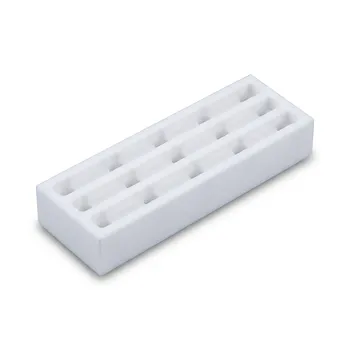
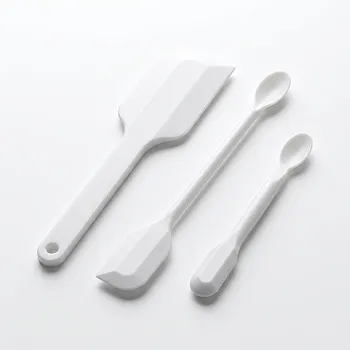
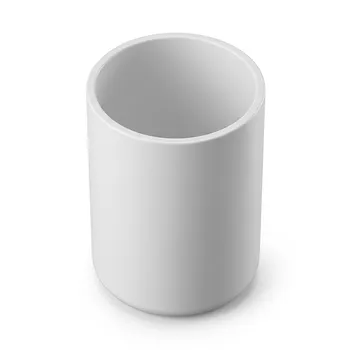
Whether you need everyday basic labware like beakers, measuring cylinders, crucibles, and reagent bottles, or specialized high-purity trace analysis instruments and digestion tubes, we provide the inert surfaces your research requires. Our expertise extends to comprehensive fluid transfer components (tubing, valves, fittings), filtration tools, and general consumables like stirring bars and high-performance gaskets.
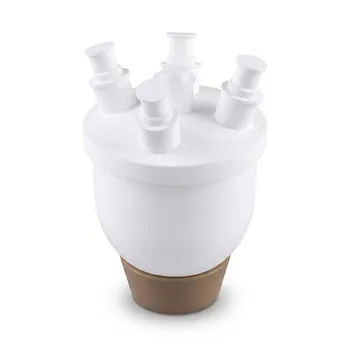
For unique research setups, KINTEK offers end-to-end custom CNC fabrication. We deliver everything from bespoke electrochemical cells and battery testing fixtures to complex microwave digestion vessels and microchannel reactors.
Ready to eliminate contamination from your workflow? Contact us today to discuss your standard or custom fluoropolymer needs and experience the absolute focus on high-performance material quality.
Related Products
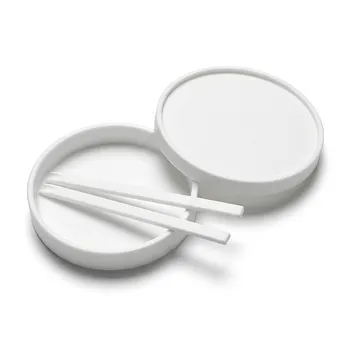
- Custom Polytetrafluoroethylene PTFE Petri Dishes 60mm Corrosion Resistant Low Background Labware
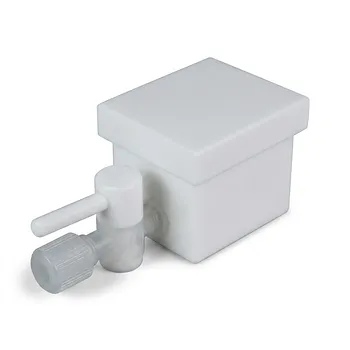
- Custom PTFE Laboratory Apparatus Corrosion Resistant Low Background Reaction Cells Precision CNC Fabrication
- Custom PTFE Petri Dishes Corrosion Resistant High Purity Low Background Labware
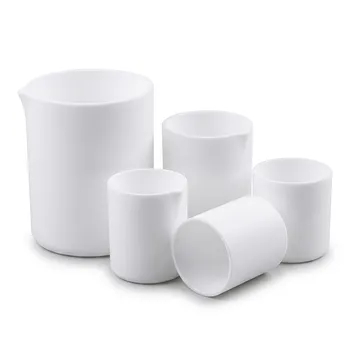
- Large Scale PTFE Beakers and Flasks for High Temperature Corrosion Resistant Laboratory Applications with Custom CNC Fabrication
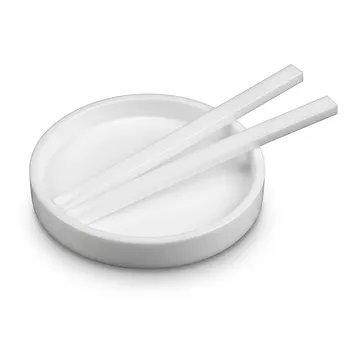
- Custom PTFE Petri Dish 120mm Diameter Corrosion Resistant Low Background High Purity Labware
People Also Ask
- Why are PTFE or PFA Petri dishes preferred for membrane casting? Ensure Damage-Free Recovery & Chemical Purity
- What types of labware or tools are commonly made from PTFE? Essential Chemically-Resistant Equipment for Your Lab
- What are the considerations for choosing PTFE or glass for Bi2O3/CeO2 synthesis? Ensure Purity and Precision.
- What are the key properties of PTFE that make it suitable for labware applications? Ensure Lab Integrity with Superior Material
- What types of PTFE labware are commonly available? Find the Right Tools for Your Lab