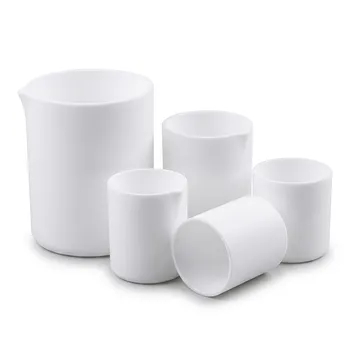
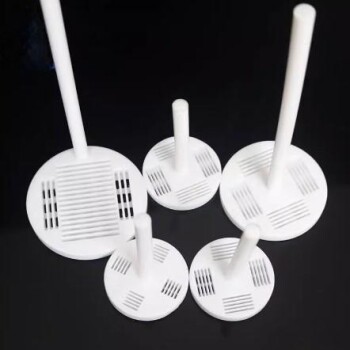
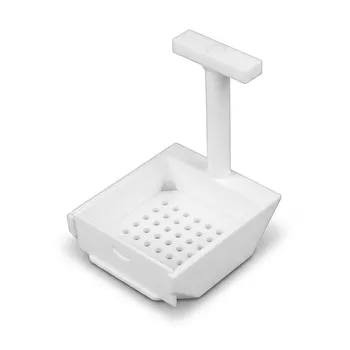
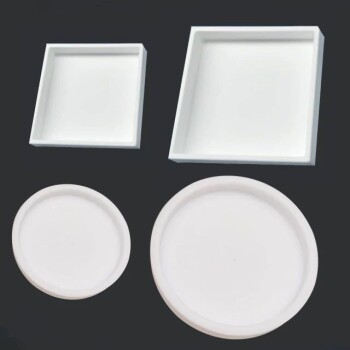
Material selection is the foundation of chemical purity. When synthesizing $Bi_2O_3/CeO_2$ heterojunctions, choosing PTFE or high-purity glass is critical because these materials exhibit exceptional chemical stability. This prevents container erosion and stops the leaching of unwanted impurities into your catalyst, which is essential for maintaining reliable and reproducible photocatalytic activity.
The primary objective of using PTFE or high-purity glass is to maintain a sterile chemical environment by preventing container degradation. This safeguards the heterojunction against metal ion contamination, ensuring that the resulting photocatalytic performance is a direct result of the material design rather than accidental impurities.
Protecting the Integrity of the Heterojunction
Eliminating Metal Ion Contamination
High-temperature synthesis and vigorous stirring can cause standard, lower-quality labware to leach ions into the solution. PTFE and high-purity glass are specifically engineered to resist erosion from the strong electrolytes and solvents often required for bismuth and cerium precursors. By maintaining a stable surface, these materials ensure the final $Bi_2O_3/CeO_2$ structure remains chemically pure.
Ensuring Consistency in Photocatalytic Performance
Even trace amounts of foreign metal ions can significantly alter the electronic properties and bandgap alignment of a heterojunction. Consistent labware performance leads directly to reproducible experimental results, which is the hallmark of high-quality research. Reliable data is only possible when the reaction environment is strictly controlled and free from container-derived interference.
Material Characteristics and Durability
The Chemical Inertness of PTFE
PTFE (Polytetrafluoroethylene) is virtually non-reactive with the vast majority of industrial and laboratory chemicals. It is particularly effective when the synthesis involves aggressive pH levels or organic solvents that would degrade standard plastics. Its hydrophobic nature also minimizes the loss of precursors to the container walls.
The Stability of High-Purity Glass
High-purity glass, such as specialized borosilicate, offers excellent thermal shock resistance and transparency. It provides a smooth, non-porous surface that allows for clear visual monitoring of the heterojunction formation and precipitation. This clarity is often vital for researchers needing to observe color changes or phase separations in real-time.
Understanding the Trade-offs
Temperature and Pressure Limits
While PTFE is chemically inert, it has a lower maximum operating temperature compared to high-purity glass. Exceeding its thermal limits (typically around 260°C) can cause the material to deform or release hazardous vapors. Researchers must match the material to the specific thermal profile of their synthesis method.
Cost and Maintenance Considerations
High-quality labware requires a significantly higher initial investment than "disposable" or standard-grade equipment. Furthermore, while these materials are durable, improper cleaning protocols can still lead to cross-contamination between batches. Long-term success depends on both the quality of the material and the rigor of the laboratory's maintenance standards.
Selecting the Right Labware for Your Synthesis
Choosing between PTFE and high-purity glass depends on the specific stressors of your synthesis environment.
- If your primary focus is extreme chemical resistance: Choose PTFE to handle the most aggressive electrolytes and solvents without any risk of container degradation.
- If your primary focus is thermal stability and visibility: Opt for high-purity glass to withstand higher temperatures and allow for constant visual monitoring of the reaction.
By prioritizing high-quality materials, you ensure that your $Bi_2O_3/CeO_2$ heterojunctions are defined by their intended chemistry rather than their environment.
Summary Table:
| Feature | PTFE (Polytetrafluoroethylene) | High-Purity Glass |
|---|---|---|
| Chemical Resistance | Extreme; inert to most aggressive solvents | High; resistant to common chemicals |
| Thermal Stability | Limited (up to ~260°C) | Superior; resists high-temp shocks |
| Visibility | Opaque; protects light-sensitive media | Transparent; allows visual monitoring |
| Best Application | Aggressive pH and leaching prevention | Visual reaction tracking & high heat |
| Surface Properties | Hydrophobic; minimizes precursor loss | Smooth, non-porous; easy to clean |
Achieve Uncompromising Purity in Your Research with KINTEK
Maintaining a sterile chemical environment is the cornerstone of high-performance catalyst synthesis. KINTEK specializes in manufacturing high-performance fluoropolymer labware designed to eliminate metal ion contamination and ensure reproducible results.
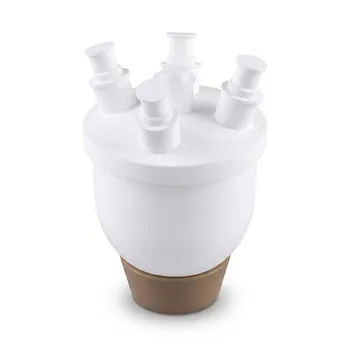
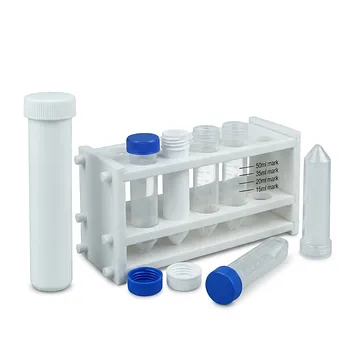
From everyday basic labware—including PTFE beakers, measuring cylinders, crucibles, and high-purity PFA reagent bottles—to comprehensive fluid transfer components like tubing and valves, we offer everything needed for a controlled reaction environment. Our expertise extends to advanced apparatus such as hydrothermal synthesis liners, microwave digestion vessels, and custom electrochemical cells, all backed by end-to-end custom CNC fabrication for your non-standard experimental setups.
Whether you need high-volume consumables like stirring bars and filters or bespoke laboratory hardware, KINTEK delivers the durability and inertness your $Bi_2O_3/CeO_2$ heterojunction synthesis requires.
Ready to upgrade your laboratory’s performance? Contact KINTEK today to discuss your custom fluoropolymer needs!
References
- Lihong Chen, Yusheng Zhang. Two-Dimensional Lamellar Stacked Bi2O3/CeO2 Type-II Heterojunctions Promote Carrier Separation to Enhance Ciprofloxacin Oxidation. DOI: 10.3390/reactions6020029
This article is also based on technical information from Kintek Knowledge Base .
Related Products
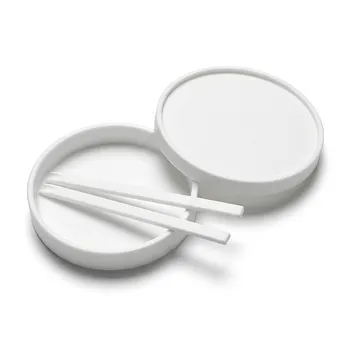
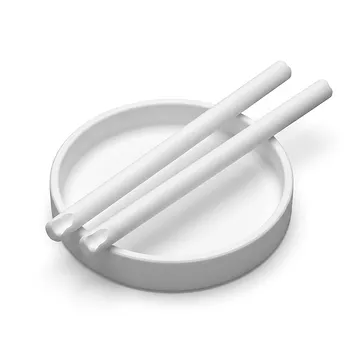
- Custom Polytetrafluoroethylene PTFE Petri Dishes 60mm Corrosion Resistant Low Background Labware
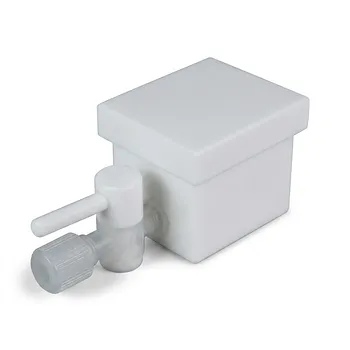
- Custom PTFE Laboratory Apparatus Corrosion Resistant Low Background Reaction Cells Precision CNC Fabrication
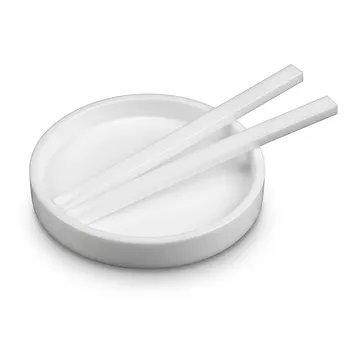
- Custom PTFE Petri Dishes Corrosion Resistant High Purity Low Background Labware
- Custom PTFE Petri Dish 120mm Diameter Corrosion Resistant Low Background High Purity Labware
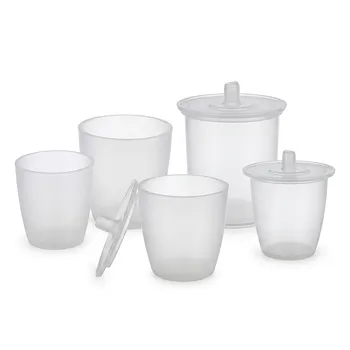
- High Purity PFA Crucible and Corrosion Resistant PTFE Beaker for Trace Analysis and Custom Laboratory Applications
People Also Ask
- Why are PTFE or PFA Petri dishes preferred for membrane casting? Ensure Damage-Free Recovery & Chemical Purity
- What types of labware or tools are commonly made from PTFE? Essential Chemically-Resistant Equipment for Your Lab
- What are the key properties of PTFE that make it suitable for labware applications? Ensure Lab Integrity with Superior Material
- What types of PTFE labware are commonly available? Find the Right Tools for Your Lab
- How does PTFE interact with water and other liquids? Unmatched Hydrophobic & Chemical Inert Properties