Extreme TFE purity is essential because even parts-per-million levels of certain impurities can stop PTFE chains from growing. For high-molecular-weight PTFE used in laboratory products, TFE feedstock may need to reach approximately 99.99995% purity, while trifluoroethylene must typically remain below 0.2–0.3 ppm. These limits prevent premature chain termination and preserve the molecular weight, chemical resistance, mechanical strength, and low-contamination characteristics required for critical labware.
The key issue is not merely overall purity: hydrogen- or chlorine-bearing telogenic impurities—especially trifluoroethylene—act as chain-transfer agents, limiting PTFE chain length even when present only in trace concentrations.
Why TFE Purity Controls PTFE Molecular Weight
Chain growth must continue without interruption
PTFE forms through free-radical polymerization of tetrafluoroethylene. High molecular weight is achieved when active polymer chains repeatedly add TFE molecules before termination occurs.
A chain-transfer impurity interrupts this process by transferring the growing radical to another molecule. The original PTFE chain then stops growing prematurely.
Trifluoroethylene is especially damaging
Trifluoroethylene is a strong chain-transfer agent. At concentrations above the required limit, it can substantially reduce the average PTFE chain length and therefore lower the resin’s molecular weight.
The critical specification is generally:
- Trifluoroethylene: less than 0.2–0.3 ppm
- Overall TFE purity: approximately 99.99995%
Hydrogen- or chlorine-containing compounds are of particular concern because they can provide reactive atoms or groups that terminate growing fluoropolymer chains.
Why High Molecular Weight Matters in Laboratory Products
Mechanical integrity depends on long polymer chains
Long PTFE chains improve the resin’s ability to withstand mechanical stress, deformation, and handling. This is important for reaction vessels, digestion liners, beakers, tubes, and fluid-transfer components exposed to pressure, thermal cycling, or aggressive chemicals.
Lower molecular weight can produce weaker or less durable components, particularly in demanding service conditions.
Chemical inertness must be preserved
PTFE is valued for its exceptionally high resistance to acids, bases, solvents, and oxidizing chemicals. Maintaining the intended molecular structure helps ensure that the finished material does not suffer avoidable degradation in aggressive laboratory environments.
For trace-analysis applications, the material must also contribute minimal extractable or leachable contamination.
Laboratory products require consistent performance
A high-purity PTFE resin is not simply a chemical-resistant plastic. It must provide predictable dimensional stability, structural integrity, cleanliness, and low background contamination.
Those requirements begin with controlling the monomer feed before polymerization starts.
Impurity Control Extends Beyond Chain Transfer
Oxygen creates a separate safety risk
Trace oxygen is not primarily described as a chain-transfer impurity, but it presents a major TFE handling and storage hazard. TFE can undergo unwanted autopolymerization or decomposition, producing localized heat and potentially carbon and tetrafluoromethane.
Accordingly, industrial handling may use oxygen-control measures, inerting, temperature and pressure controls, and approved stabilizing or scavenging systems. These safety controls complement—but do not replace—the chemical-purity specification.
Reactor and process contamination also matter
Even when the TFE meets specification, contaminants can enter through water, reactor surfaces, fittings, or transfer equipment. Inorganic and organic residues may inhibit polymerization, alter polymer end groups, or introduce leachable contaminants.
For high-purity PTFE, the process therefore requires not only ultra-pure monomer but also clean, compatible equipment and carefully controlled process materials.
Understanding the Trade-offs
Overall purity is not the only acceptance criterion
A TFE stream can meet a broad overall purity number while still containing a problematic concentration of a highly active chain-transfer impurity. Impurity identity and concentration matter more than a single aggregate purity figure.
Trifluoroethylene therefore needs its own explicit specification rather than being assessed only through total purity.
Excessive purification increases process complexity
Achieving approximately 99.99995% TFE purity requires rigorous purification, analytical verification, and contamination control throughout storage and transfer. Every connection, seal, vessel, and handling step becomes a potential source of contamination.
The cost and complexity are justified when the resin is intended for trace analysis or severe chemical service, but they may be disproportionate for less demanding applications.
Purity does not guarantee product quality by itself
Monomer purity is foundational, but it does not independently determine final PTFE performance. Polymerization conditions, reactor cleanliness, water quality, heat removal, post-processing, and fabrication practices must also be controlled.
High-purity TFE prevents a major failure mode; it does not eliminate the need for disciplined manufacturing.
How to Apply This to Your Project
The correct specification should distinguish overall TFE purity from the concentration of particularly harmful chain-transfer impurities.
- If your primary focus is maximum molecular weight: Specify TFE at approximately 99.99995% purity and restrict trifluoroethylene to below 0.2–0.3 ppm.
- If your primary focus is trace-analysis cleanliness: Control monomer, water, reactor surfaces, fittings, and fabrication equipment to minimize metal ions, organics, and leachable residues.
- If your primary focus is safe monomer handling: Add oxygen control, inerting, temperature and pressure management, and suitable decomposition-prevention safeguards to the purity program.
- If your primary focus is durable chemical-resistant labware: Verify that the resin and finished component retain the required high molecular weight and structural integrity, rather than relying on monomer purity alone.
Controlling TFE at the parts-per-million level is what enables PTFE to achieve the molecular weight and cleanliness demanded by critical laboratory products.
Summary Table:
| Parameter | Specification | Reason |
|---|---|---|
| TFE Purity | ~99.99995% | Prevents chain transfer, ensures high molecular weight |
| Trifluoroethylene | <0.2–0.3 ppm | Strong chain-transfer agent, limits chain growth |
| High Molecular Weight | Not specified | Needed for mechanical strength, chemical inertness, low extractables |
Ensure your PTFE labware meets the highest purity standards. At KINTEK, we specialize in high-performance fluoropolymers, offering a full range of PTFE and PFA products—from beakers and digestion vessels to custom CNC machined parts. Our expertise in TFE purity control ensures molecular weight and cleanliness for critical applications. Contact us today to discuss your requirements and benefit from our tailored solutions for your lab. Get in touch with our team.
Related Products
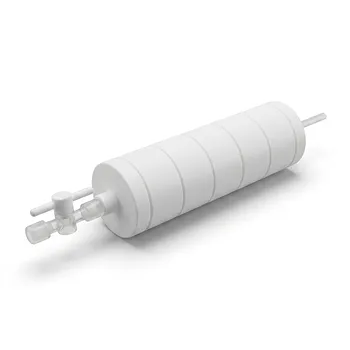
- Custom PTFE Filtration System Acid Resistant High Purity Semiconductor Grade Chemical Processing Filter
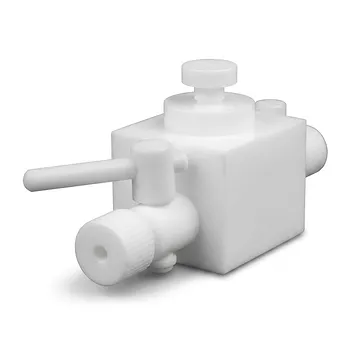
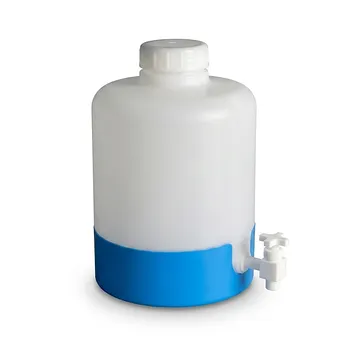
- High Corrosion Resistant PTFE Faucet Polytetrafluoroethylene Valve for Chemical Storage Drums and Fluid Transfer Systems Customizable Industrial Grade
- PTFE PFA Vacuum Filtration System Corrosion Resistant Customizable Shatterproof Laboratory Device
- PTFE Corrosion Resistant Filter with PFA Valve Connections and Integrated Sieve Plate
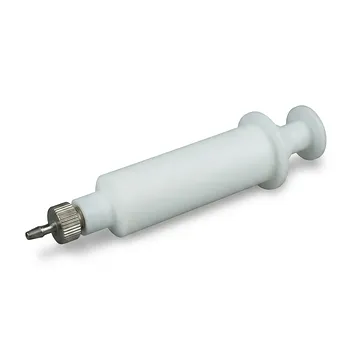
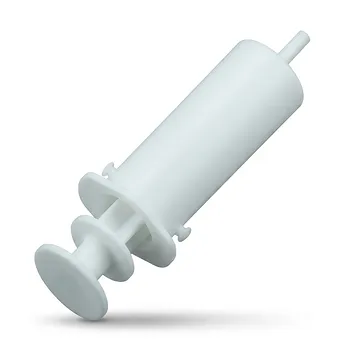
- High Temperature Chemical Resistant 50ml PTFE Syringe Customized Teflon Injector with Threaded Seal for Trace Analysis
People Also Ask
- What makes PTFE filtration systems advantageous for industrial and scientific use? Unmatched Chemical & Thermal Stability
- What steps are involved in selecting the proper PTFE filter? A 4-Step Guide to Optimal Filtration
- What sizes and pore options are available for PTFE filters? Choose the Right Filter for Your Application
- What temperature resistance do PTFE filters offer? Unmatched Thermal Stability from -200°C to +260°C
- How does the hydrophobicity of PTFE filters benefit their use? Ensure Uninterrupted Gas Flow and Solvent Filtration