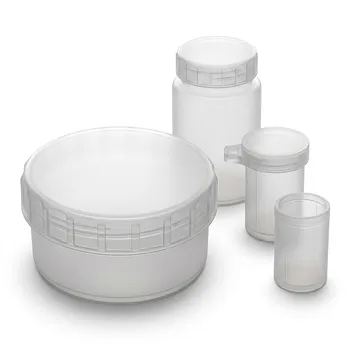
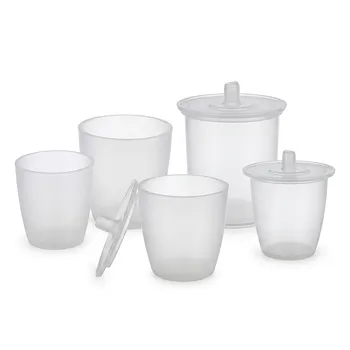
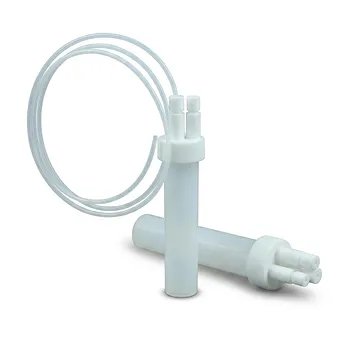
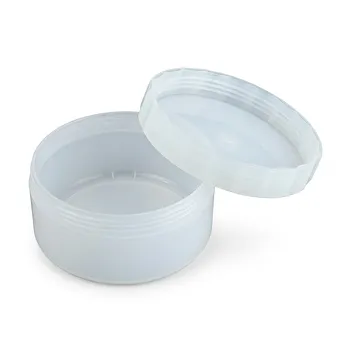
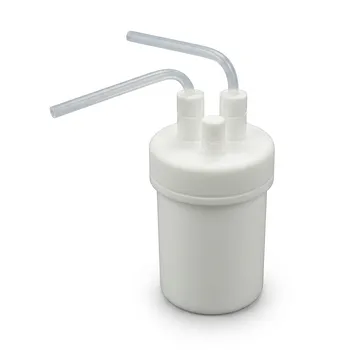
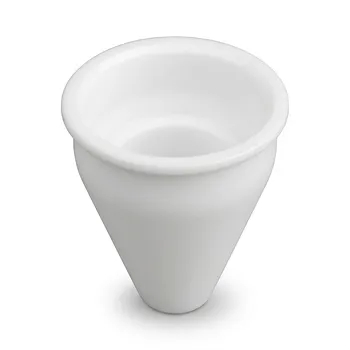
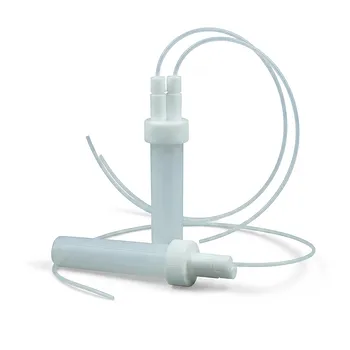
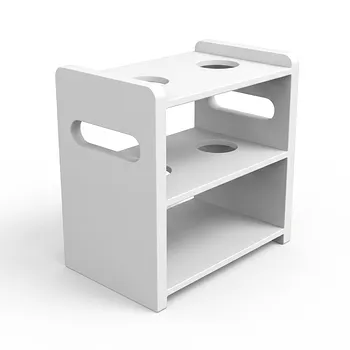
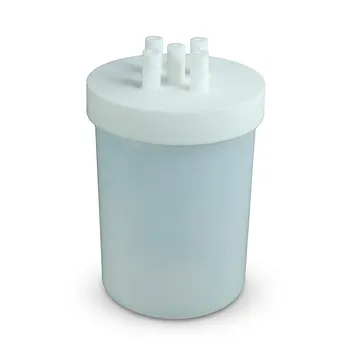
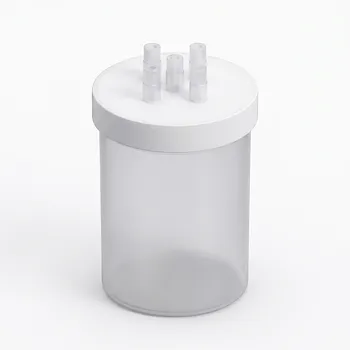
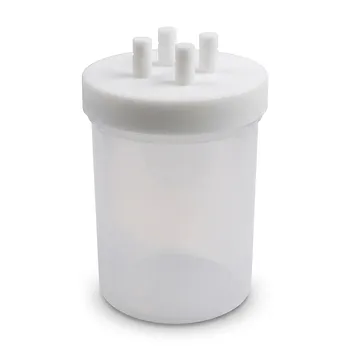
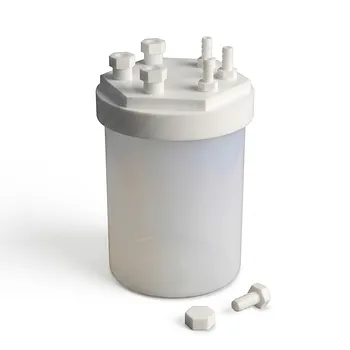
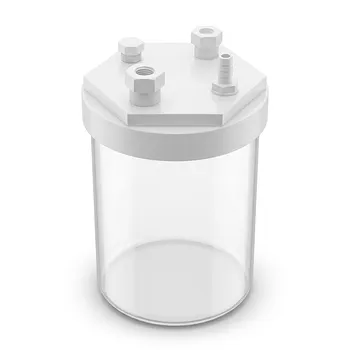
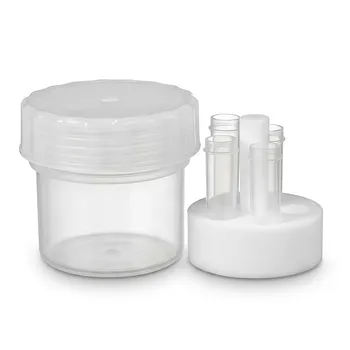
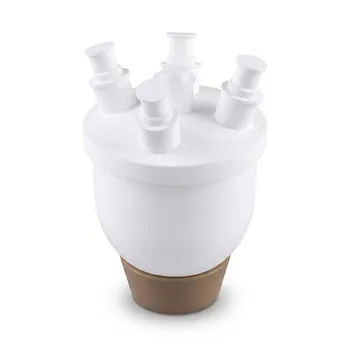
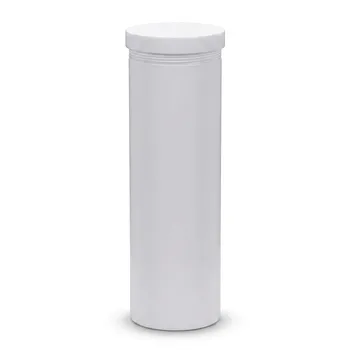
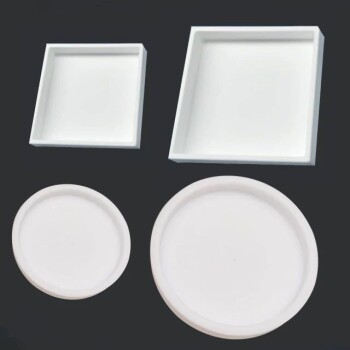
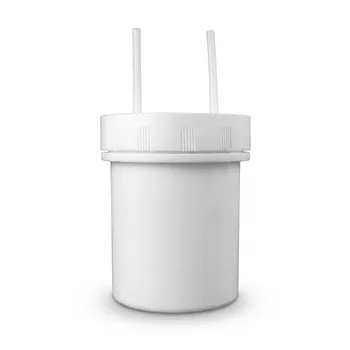
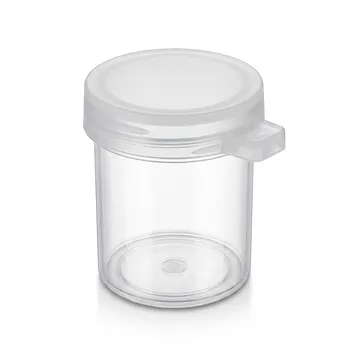
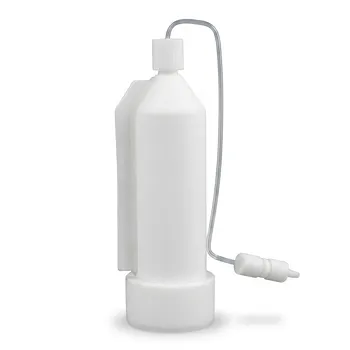
Hydrofluoric acid (HF) resistance is a non-negotiable requirement for MXene synthesis. The production of $Ti_3C_2$ MXene involves the selective etching of aluminum layers from a MAX phase precursor ($Ti_3AlC_2$) using highly corrosive hydrofluoric acid or in-situ HF generated from $LiF/HCl$ mixtures. Because HF rapidly dissolves glass and corrodes most metallic containers, high-purity fluoropolymers like PTFE (Polytetrafluoroethylene) or PFA (Perfluoroalkoxy) are the only viable materials to ensure experimental safety and sample purity.
Core Takeaway: PTFE and PFA containers are essential because they possess the chemical inertness required to withstand aggressive HF etching, preventing container failure and the leaching of impurities that would otherwise compromise the structural integrity and electrochemical performance of the MXene.
The Corrosive Nature of the MXene Etching Process
The Role of HF in Selective Etching
The synthesis of $Ti_3C_2$ requires the removal of the "A" layer (typically aluminum) from the parent MAX phase. This process utilizes Hydrofluoric acid (HF) or a combination of Lithium Fluoride (LiF) and Hydrochloric acid (HCl) to break the strong metallic bonds of the aluminum.
Why Standard Laboratory Glassware Fails
Glass is primarily composed of silica ($SiO_2$), which reacts almost instantaneously with HF to form silicon tetrafluoride gas and water. Using glass vessels would lead to the rapid degradation of the container, causing leaks and potentially catastrophic experimental failure.
Vulnerability of Metallic Containers
Standard metallic containers are equally unsuitable as they are susceptible to acid-induced corrosion. The fluoride ions in the etching solution aggressively attack metal lattices, leading to structural failure and the introduction of heavy metal contaminants into the MXene product.
The Superior Properties of PTFE and PFA
Exceptional Chemical Inertness
Fluoropolymers like PTFE and PFA are defined by their carbon-fluorine bonds, which are among the strongest in organic chemistry. This molecular structure provides a "shield" that prevents HF and other aggressive reagents from reacting with the container walls.
Prevention of Impurity Leaching
In high-sensitivity chemical synthesis, even trace amounts of leached ions can alter the properties of the nanomaterial. PTFE and PFA have extremely low metal ion leaching rates, ensuring that the resulting $Ti_3C_2$ nanosheets remain free from container-derived impurities.
Stability in "MILD" Etching Environments
Even when using the "MILD" (Minimally Intensive Layer Delamination) method—which generates HF in-situ—the environment remains highly acidic and rich in fluoride ions. PTFE vessels provide the stable reaction environment necessary for these prolonged etching periods, which can last from several hours to days.
Understanding the Trade-offs
Thermal Conductivity Limitations
One primary trade-off of using PTFE or PFA is their low thermal conductivity. Unlike glass or metal, these materials act as insulators, meaning it takes longer for the internal reaction solution to reach the desired temperature when using external heating mantles or oil baths.
Mechanical Softening at High Temperatures
While these materials are chemically resistant, they are softer than glass and can undergo mechanical deformation if subjected to high pressures at elevated temperatures. Users must stay within the specific temperature ratings—typically below 260°C for PTFE—to avoid compromising the vessel's shape.
Visual Monitoring Constraints
Standard PTFE is opaque, which prevents researchers from visually monitoring the reaction progress, such as color changes or gas evolution. In cases where visual observation is critical, PFA is often preferred as it offers a degree of translucency while maintaining similar chemical resistance.
How to Apply This to Your Project
Recommendations for Material Selection
- If your primary focus is high-purity characterization: Utilize PFA containers to minimize trace metal contamination and allow for limited visual inspection of the etching progress.
- If your primary focus is cost-effective bulk synthesis: Use PTFE (Teflon) vessels, as they offer the necessary chemical resistance at a lower price point than PFA for large-scale batches.
- If your primary focus is precise temperature control: Ensure you use a calibrated internal temperature probe or allow extra equilibration time to compensate for the insulating properties of the fluoropolymer walls.
Selecting the correct fluoropolymer vessel is the first and most critical step in ensuring a safe, reproducible, and high-purity MXene synthesis.
Summary Table:
| Material Type | HF Resistance | Key Benefit for MXene Synthesis | Primary Limitation |
|---|---|---|---|
| Laboratory Glass | None (Reacts) | High visibility | Rapid degradation & catastrophic failure |
| Standard Metals | Poor (Corrodes) | Excellent heat transfer | Metal ion leaching & contamination |
| PTFE (Teflon) | Exceptional | Chemically inert & cost-effective | Opaque; low thermal conductivity |
| PFA | Exceptional | High purity & translucent | Higher cost than PTFE |
Elevate Your MXene Research with KINTEK’s High-Performance Fluoropolymers
When conducting selective etching for $Ti_3C_2$ synthesis, your results depend on the integrity of your labware. KINTEK specializes in high-performance PTFE and PFA solutions designed to withstand the most aggressive hydrofluoric acid environments. From everyday basics like beakers, measuring cylinders, and reagent bottles to specialized sample prep tools, filters, and high-purity trace analysis instruments, we ensure your process remains contamination-free.
Why Partner with KINTEK?
- Comprehensive Range: We provide everything from tubing, valves, and fittings to centrifuge tubes, crucibles, and stirring bars.
- Advanced Apparatus: Need more than just a beaker? We offer hydrothermal synthesis liners, microwave digestion vessels, and custom electrochemical cells tailored for advanced material characterization.
- Precision Engineering: Backed by end-to-end custom CNC fabrication, we deliver everything from complex non-standard machined parts to high-volume orders with an absolute focus on fluoropolymer performance.
Don't let container failure compromise your nanomaterial integrity. Trust the experts in high-performance lab supplies.
Contact KINTEK Today for a Custom Quote
References
- Ramachandramoorthi Poomporai Vadivel, Sayee Kannan Ramaraj. Praseodymium Tungstate-Integrated MXene Nanocomposite: A Cutting-Edge Platform for High-Performance Electrochemical Sensing of Furaltadone in Food and Environmental Samples. DOI: 10.1021/acsaenm.5c00462
This article is also based on technical information from Kintek Knowledge Base .
Related Products
- PFA Reaction Jar Corrosion Resistant Wide Mouth PTFE Lab Bottle High Purity Chemical Vessel
- High Purity PFA Crucible and Corrosion Resistant PTFE Beaker for Trace Analysis and Custom Laboratory Applications
- Custom PFA Reaction Bottles High Purity PTFE Reaction Vessels Corrosion Resistant Petrochemical Containers
- Corrosion Resistant PFA Reaction Tank High Purity Laboratory Reaction Bottle Wide Mouth PTFE Jar Multiple Specifications
- Custom PTFE Continuous Reaction Bottles Virgin Fluoropolymer High Purity Low Background Synthesis Vessels
People Also Ask
- Role of reaction vessels in alkali treatment for oil palm waste: Achieve High-Purity Cellulose with PTFE Vessels
- Why are well-sealed reaction vessels necessary for superacid-promoted Friedel-Crafts polycondensation? Optimize Synthesis
- How do the material choice and sealing integrity of the reaction vessel affect the growth of NiFe-LDH? Optimize Synthesis
- How is volume solids used to calculate substrate coverage? Master coating calculations for PFA/PTFE vessels
- Why is the choice of reaction vessel material critical during B-NiBDC synthesis? Optimize MOF Purity & Performance