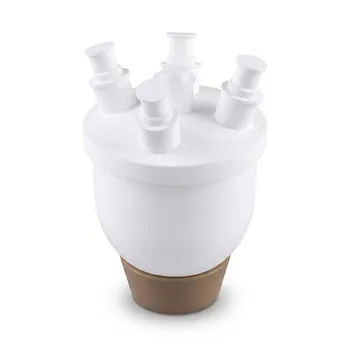
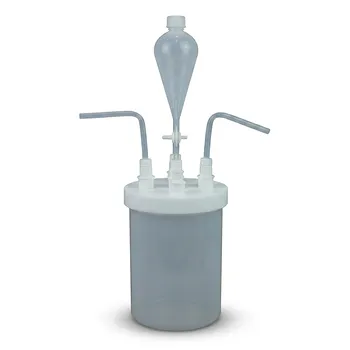
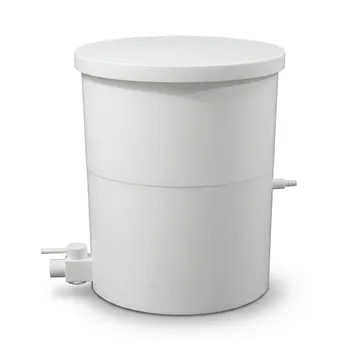
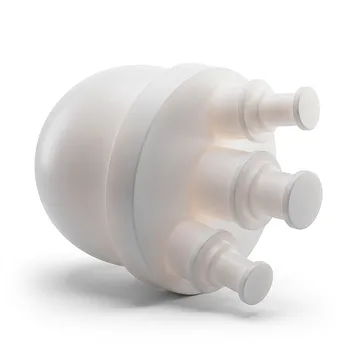
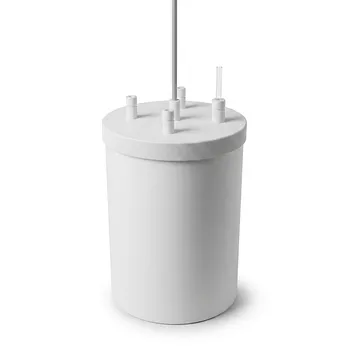
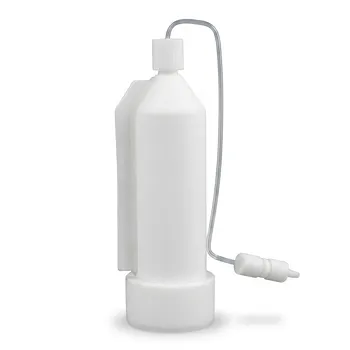
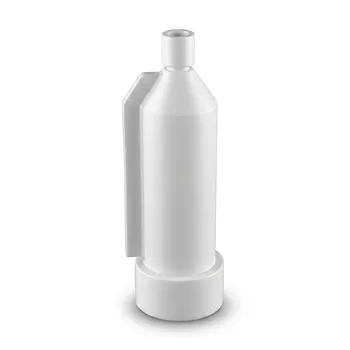
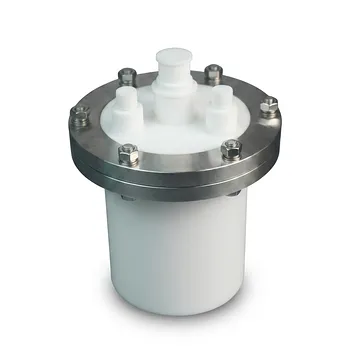
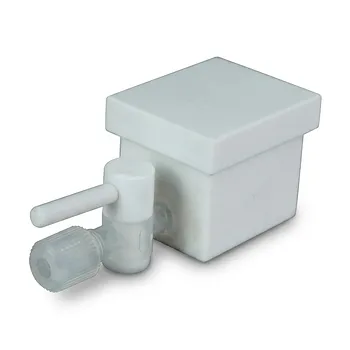
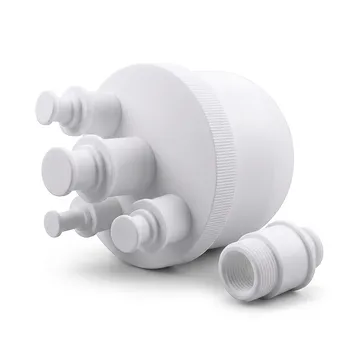
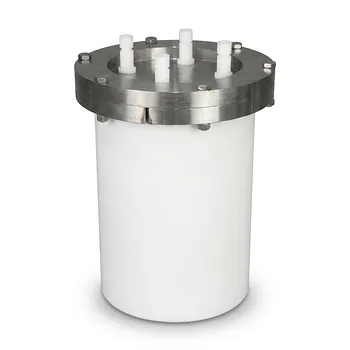
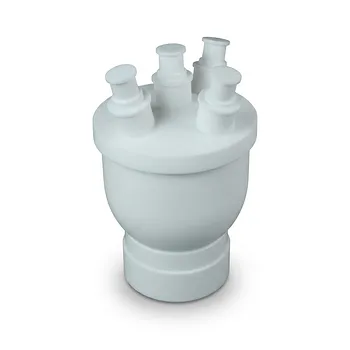
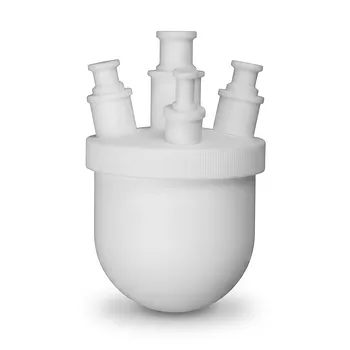
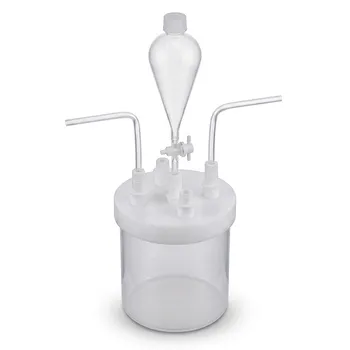
Corrosion-resistant reaction vessels are the critical infrastructure required to maintain a stable, inert environment during the aggressive chemical breakdown of biomass. In the extraction of cellulose from oil palm waste, these vessels allow for the safe application of high-concentration sodium hydroxide (NaOH) at temperatures reaching 80°C. Their primary role is to ensure process safety while preventing the leaching of vessel-derived impurities, such as metal ions, into the cellulose matrix.
Core Takeaway: The use of high-performance materials like PTFE or stainless steel in reaction vessels is essential for achieving high-purity cellulose. These vessels provide the necessary chemical resistance to withstand the alkali-induced swelling process that removes lignin and hemicellulose without contaminating the final product.
The Mechanics of Fiber Modification in Alkaline Environments
Facilitating Fiber Swelling and Bond Dissociation
The alkali treatment process relies on high-concentration NaOH to physically and chemically swell the oil palm fibers. This swelling is necessary to break the hydrogen bonds that anchor cellulose to hemicellulose.
Systematic Removal of Non-Cellulosic Impurities
A stable reaction environment allows for the efficient stripping of lignin, pectin, and waxes from the raw biomass. Without the controlled conditions provided by these vessels, the removal of these recalcitrant components would be inconsistent, leading to a lower-quality yield.
Enhancing Surface Wettability
Properly treated cellulose exhibits excellent surface wettability, which is a vital characteristic for its use in hybrid materials. Corrosion-resistant vessels ensure that the chemical reaction proceeds uniformly, optimizing the fiber surface for future applications.
Ensuring Product Purity and Material Integrity
Preventing Metallic and Polymer Leaching
Standard containers can degrade when exposed to strong bases, releasing metal ions or polymer fragments into the solution. Using PTFE (Polytetrafluoroethylene) or high-quality stainless steel eliminates this risk, preserving the high purity required for industrial and medical-grade cellulose.
Withstanding Harsh Thermodynamic Conditions
The extraction process often requires maintaining a constant temperature of 80°C in a highly caustic environment. Corrosion-resistant vessels are designed to withstand these dual stresses—chemical erosion and thermal load—without structural failure.
Safeguarding the Pre-treatment Lifecycle
In broader biomass processing, these vessels also handle various reagents including sulfuric or hydrochloric acids. Their versatility across different pH levels makes them indispensable for the entire pre-treatment and purification lifecycle of plant fibers.
Understanding the Trade-offs
Material Limitations and Heat Transfer
While PTFE offers superior chemical resistance, its thermal conductivity is lower than that of stainless steel. This can lead to longer heating times or the need for specialized heating jackets to maintain the required 80°C threshold.
Initial Capital Expenditure vs. Longevity
High-performance vessels require a significantly higher initial investment compared to standard equipment. However, the long-term durability and reduction in batch contamination risks typically justify the cost in professional or industrial settings.
Maintenance and Cleaning Protocols
Even corrosion-resistant materials require specific cleaning protocols to prevent the buildup of residual lignin or "black liquor." Failure to maintain these vessels can lead to cross-contamination between batches, regardless of the material's inertness.
How to Apply This to Your Project
To select the right vessel for your cellulose extraction process, evaluate your specific requirements for purity, temperature, and reagent type.
- If your primary focus is Maximum Purity: Utilize PTFE or PFA-lined vessels to virtually eliminate the possibility of metal ion leaching during the alkali or acid stages.
- If your primary focus is Process Scalability: Opt for high-grade stainless steel vessels, which offer a balance of durability, excellent heat transfer, and structural strength for larger volumes.
- If your primary focus is Multi-Reagent Versatility: Select fluoropolymer-based containers (like PTFE) that can safely transition between strong alkaline treatments and high-concentration acid hydrolysis.
The integrity of your reaction vessel is the single most important factor in transforming raw oil palm waste into a high-value, high-purity cellulose matrix.
Summary Table:
| Feature | PTFE/PFA Vessels | High-Grade Stainless Steel |
|---|---|---|
| Chemical Resistance | Exceptional (Strong Acids & Bases) | High (Bases), Limited (Certain Acids) |
| Purity Control | Zero Metal Ion Leaching | Risk of Trace Metal Contamination |
| Thermal Performance | Lower Conductivity (Requires Jackets) | High Conductivity (Rapid Heating) |
| Application Focus | Maximum Purity & Trace Analysis | Process Scalability & Structural Strength |
| Versatility | Excellent across all pH levels | Specific to alkaline environments |
Optimize Your Biomass Extraction with KINTEK’s Fluoropolymer Expertise
Elevate the purity of your cellulose extraction and protect your process integrity with KINTEK. We specialize in high-performance laboratory supplies crafted from PTFE and PFA, specifically designed to withstand the aggressive alkali treatments and thermal loads required for processing oil palm waste.
Whether you need everyday basic labware (beakers, crucibles, reagent bottles, digestion tubes) or advanced reaction apparatus like custom hydrothermal synthesis liners and microwave digestion vessels, KINTEK delivers. Our offerings extend to:
- Comprehensive Fluid Transfer: Tubing, fittings, and valves for caustic reagents.
- Sample Prep & Filtration: Separatory funnels, filters, and high-purity tweezers.
- Bespoke Engineering: End-to-end custom CNC fabrication for complex non-standard machined parts and unique laboratory setups.
Don't compromise your yield with inferior materials. From standard consumables to bespoke electrochemical cells, KINTEK provides everything you need to maintain an exclusive focus on high-performance results.
Ready to upgrade your lab? Contact KINTEK today for high-purity fluoropolymer solutions tailored to your project!
References
- Aimi Solihah Zaul Kapri. Development of carbon dots from lignocellulose oil palm wastes: A potential CO2 adsorbent. DOI: 10.21741/9781644903575-25
This article is also based on technical information from Kintek Knowledge Base .
Related Products
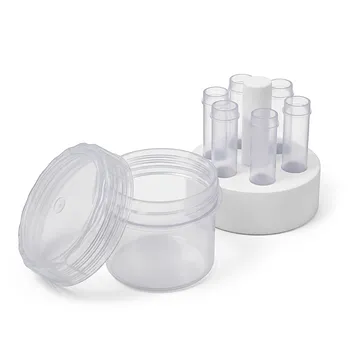
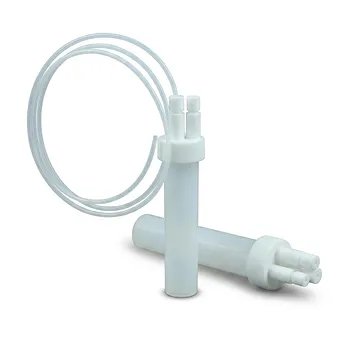
- High Purity Corrosion Resistant PFA Reaction Vessel with PTFE Holder and Integrated Sampling Tube for Trace Analysis
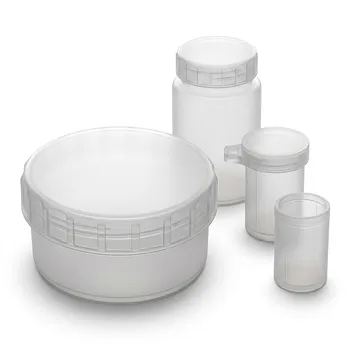
- PFA Reaction Jar Corrosion Resistant Wide Mouth PTFE Lab Bottle High Purity Chemical Vessel
- Custom PFA Reaction Bottles High Purity PTFE Reaction Vessels Corrosion Resistant Petrochemical Containers
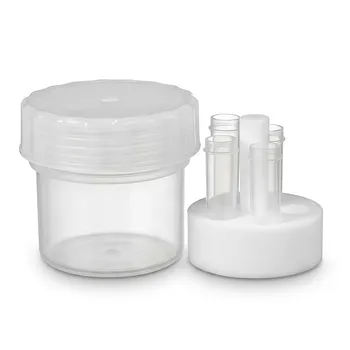
- Corrosion Resistant PTFE Support with PFA Transparent Reaction Tank and High Purity PFA Sampling Tube for Trace Analysis
- High Performance Customizable PTFE Reaction Vessel and Corrosion Resistant Polytetrafluoroethylene Flask for Chemical Laboratory Use
People Also Ask
- Why is the choice of reaction vessel material critical during B-NiBDC synthesis? Optimize MOF Purity & Performance
- How do the material choice and sealing integrity of the reaction vessel affect the growth of NiFe-LDH? Optimize Synthesis
- Why are well-sealed reaction vessels necessary for superacid-promoted Friedel-Crafts polycondensation? Optimize Synthesis
- What is the role of high chemical inertness reaction vessels in the organic synthesis of acylhydrazone ligands? | Guide
- Why are PTFE or PFA reaction vessels required for the selective etching process of MXene using hydrofluoric acid (HF)?