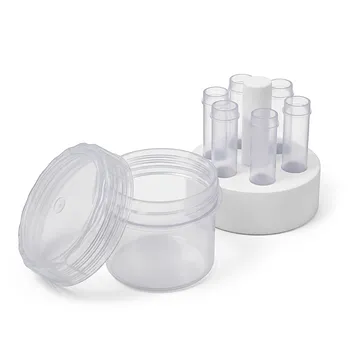
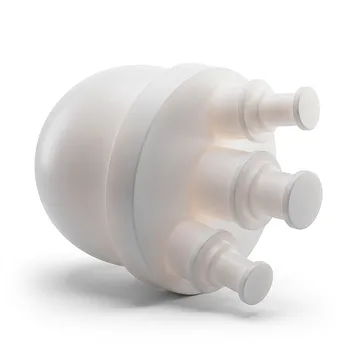
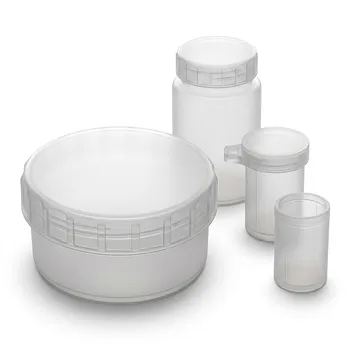
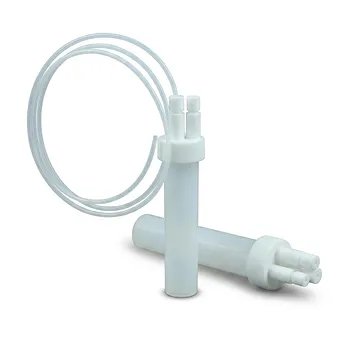
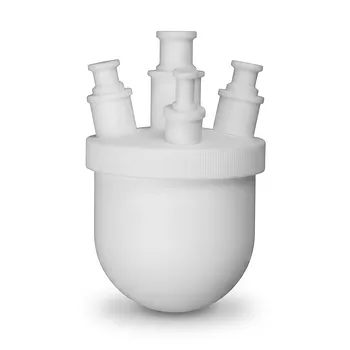
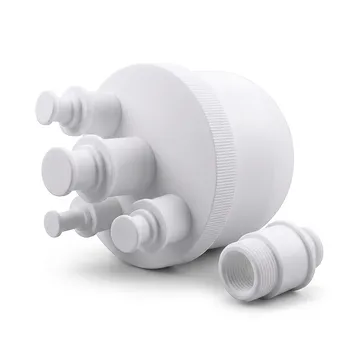
The selection of reaction vessel materials is critical because B-NiBDC synthesis is highly sensitive to trace metal contamination and environmental impurities. Utilizing high-purity fluoropolymers like PTFE (Polytetrafluoroethylene) or PFA (Perfluoroalkoxy) prevents the leaching of metal ions commonly found in standard glassware. This technical choice ensures a precise coordination environment between nickel active sites and ligands, which is essential for the material's structural integrity and electrochemical performance.
Core Takeaway: Choosing inert fluoropolymer vessels over glass is a fundamental requirement for B-NiBDC synthesis to prevent exogenous impurities from disrupting the delicate coordination polymerization process, thereby ensuring structural reproducibility and high catalytic activity.
Safeguarding the Coordination Environment
Sensitivity of Ligand Deprotonation
The synthesis of B-NiBDC involves complex chemical stages, specifically ligand deprotonation and coordination polymerization. These processes are extremely sensitive to the presence of unauthorized ions that can interfere with the intended chemical pathways.
Precision in Nickel-Ligand Bonding
The goal of the synthesis is to create a specific, ordered arrangement between nickel (Ni) active sites and boron-doped ligands. Any deviation in the chemical environment can lead to incorrect bonding, altering the fundamental properties of the Metal-Organic Framework (MOF).
The Liability of Standard Glassware
The Mechanism of Leaching
Standard laboratory glassware is not truly inert and can leach trace metal impurities into the reaction mixture. In the context of MOF synthesis, even microscopic amounts of exogenous metals can become incorporated into the framework.
Consequences of Impurity Inclusion
When foreign ions enter the reaction, they can cause framework collapse or the formation of structural defects. These defects compromise the long-range ordered structure and significantly reduce the specific surface area of the resulting MOF.
Ensuring Performance and Reproducibility
Achieving Electrochemical Consistency
For B-NiBDC to function effectively as a catalyst, its electrochemical performance must be reproducible. By using PFA or PTFE vessels, researchers eliminate a major variable—vessel-derived contamination—ensuring that every batch meets performance standards.
Kinetic Energy and Mass Transfer
Beyond chemical inertness, the material choice extends to accessories like magnetic stirring bars. High-purity stirring bars provide uniform kinetic energy and mass transfer, which are essential for controlling MOF crystal growth and maintaining the correct stoichiometric ratio.
Understanding the Trade-offs
Cost vs. Chemical Integrity
While high-purity fluoropolymers (PTFE/PFA) are significantly more expensive than standard borosilicate glass, the trade-off is necessary for high-precision synthesis. Using cheaper materials often results in "poisoned" catalysts that lack the surface area or active site density required for advanced applications.
Thermal and Microwave Limitations
While PTFE and PFA offer superior corrosion resistance and chemical inertia up to approximately 100°C–250°C, they have lower thermal conductivity than glass. In microwave-assisted synthesis, however, their microwave transparency is a distinct advantage, allowing energy to act directly on the reactants without vessel interference.
How to Apply This to Your Synthesis
Selecting the right environment depends on your specific research requirements and the sensitivity of your precursors.
- If your primary focus is electrochemical reproducibility: Utilize PFA or PTFE reagent bottles and vessels exclusively to ensure the ultra-high purity of nickel and boron-doped ligand precursors.
- If your primary focus is maximizing specific surface area: Prioritize containers with the lowest possible leaching rates to prevent the formation of framework defects that lead to pore blockage or collapse.
- If your primary focus is uniform crystal morphology: Use high-purity fluoropolymer-coated stirring bars to maintain consistent mass transfer without introducing friction-based contaminants into the solution.
By strictly controlling the material environment, you ensure that the synthesized B-NiBDC achieves its theoretical performance potential through uncompromised structural purity.
Summary Table:
| Feature | High-Purity PTFE/PFA Vessels | Standard Glassware |
|---|---|---|
| Chemical Inertness | Exceptionally high; prevents leaching | Prone to leaching trace metal ions |
| Contamination Risk | Ultra-low; maintains ligand purity | High; causes framework defects/collapse |
| Microwave Use | Transparent; allows direct heating | Absorbs energy; less efficient |
| MOF Impact | Ensures long-range ordered structure | Can lead to "poisoned" catalysts |
| Applications | High-precision electrochemical synthesis | General laboratory tasks |
Elevate Your MOF Synthesis Precision with KINTEK
Ensure the structural integrity and electrochemical performance of your B-NiBDC frameworks with KINTEK’s high-performance fluoropolymer solutions. We specialize in providing ultra-pure, inert environments for the most sensitive chemical reactions.
From everyday lab essentials like PTFE beakers, reagent bottles, and high-purity stirring bars to advanced research apparatus such as custom electrochemical cells, hydrothermal synthesis liners, and microwave digestion vessels, KINTEK offers a comprehensive range of PFA and PTFE supplies. Our end-to-end custom CNC fabrication allows us to deliver everything from high-volume consumables to complex, non-standard machined parts tailored to your specific research needs.
Don’t let trace impurities compromise your results. Contact KINTEK today to secure high-performance labware for your next breakthrough!
References
- F.T. Cheng, Yang Hou. Enhanced proton-feeding kinetics of metal-organic framework toward industrial-level H2O2 electrosynthesis for sustainable bleaching. DOI: 10.1038/s41467-025-65276-z
This article is also based on technical information from Kintek Knowledge Base .
Related Products
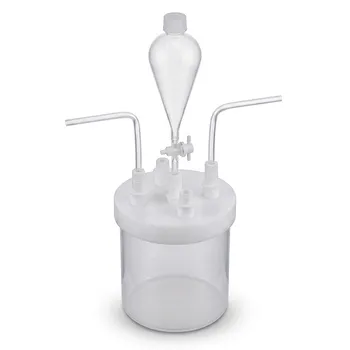
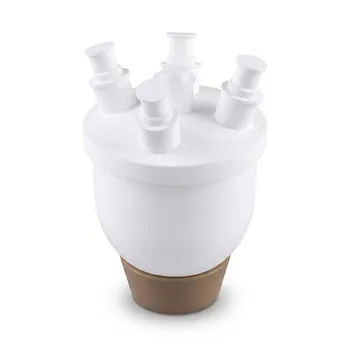
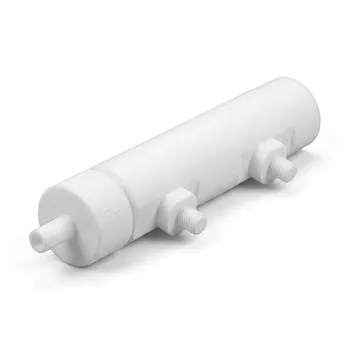
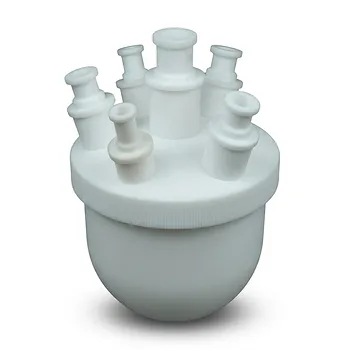
- High Purity Corrosion Resistant PFA Reaction Vessel with PTFE Holder and Integrated Sampling Tube for Trace Analysis
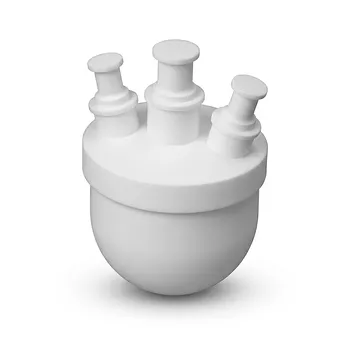
- High Purity Custom PTFE Large Volume 15L Flask Corrosion Resistant Low Trace Background Fluoropolymer Reaction Vessel
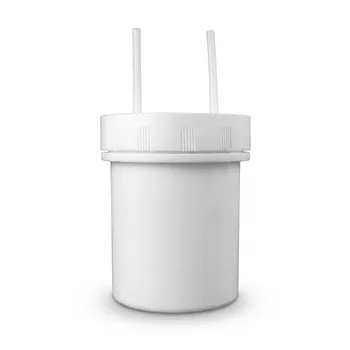
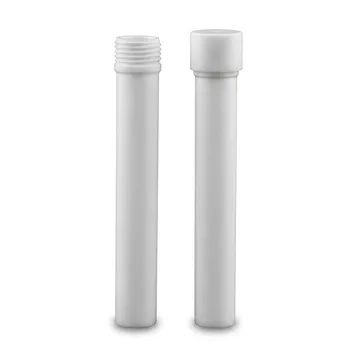
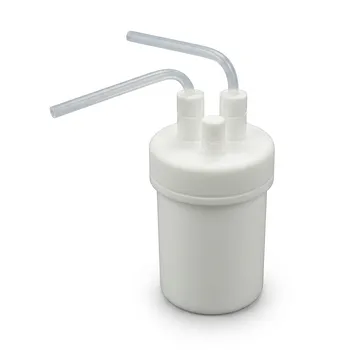
- PFA Reaction Jar Corrosion Resistant Wide Mouth PTFE Lab Bottle High Purity Chemical Vessel
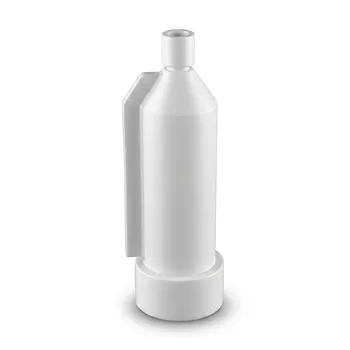
- Custom PFA Reaction Bottles High Purity PTFE Reaction Vessels Corrosion Resistant Petrochemical Containers
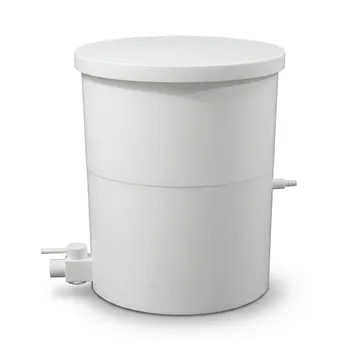
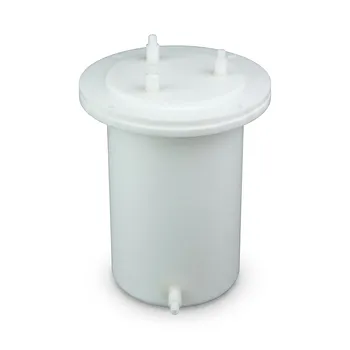
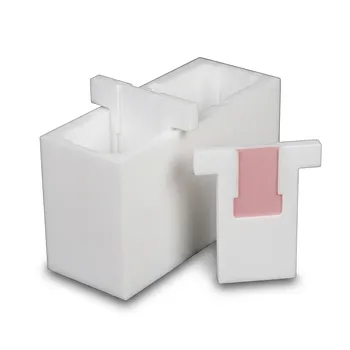
- Large Scale PTFE Double Layer Reaction Tank with Integrated Filter Plate High Purity Polytetrafluoroethylene Chemical Vessel 25L
People Also Ask
- How do the material choice and sealing integrity of the reaction vessel affect the growth of NiFe-LDH? Optimize Synthesis
- Why are corrosion-resistant vessels needed for alkaline cellulose extraction? Ensure Purity and Process Safety
- Why are well-sealed reaction vessels necessary for superacid-promoted Friedel-Crafts polycondensation? Optimize Synthesis
- Role of reaction vessels in alkali treatment for oil palm waste: Achieve High-Purity Cellulose with PTFE Vessels
- What is the role of high chemical inertness reaction vessels in the organic synthesis of acylhydrazone ligands? | Guide