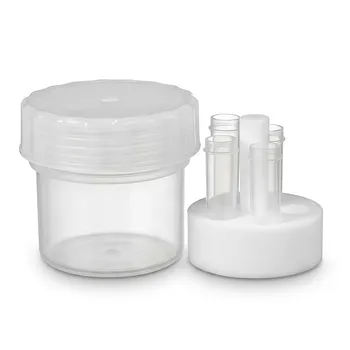
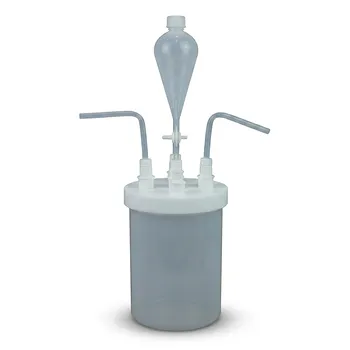
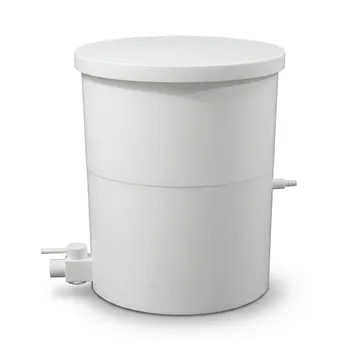
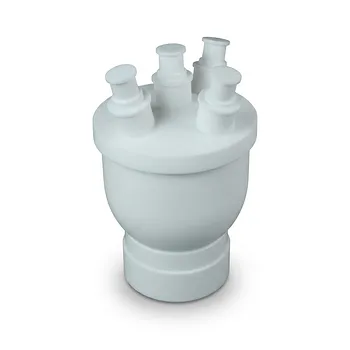
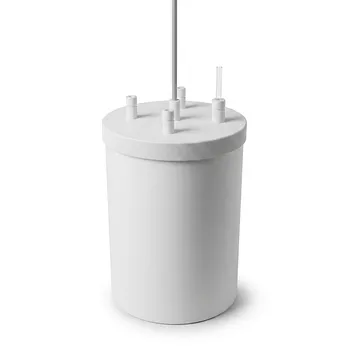
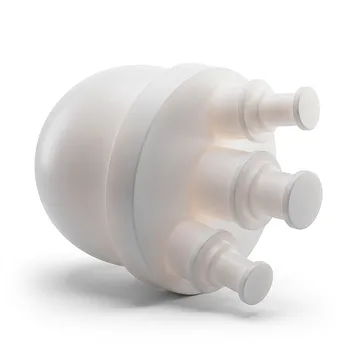
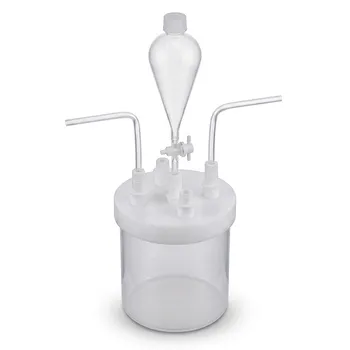
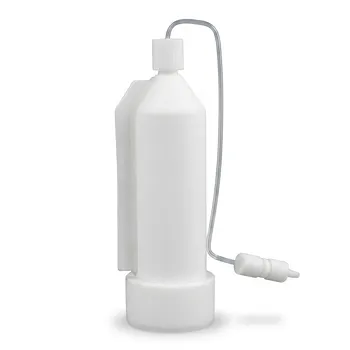
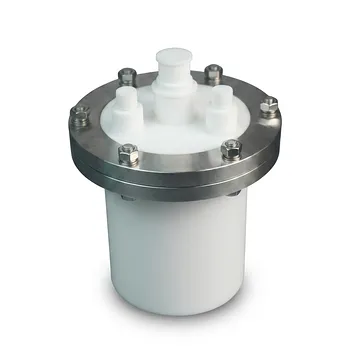
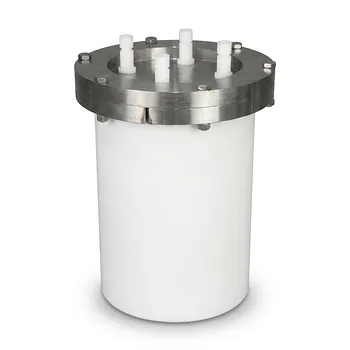
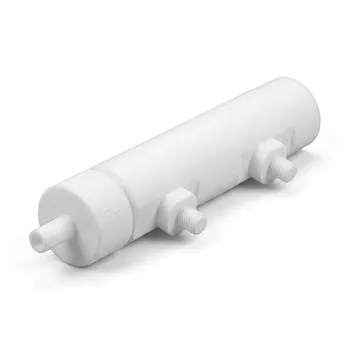
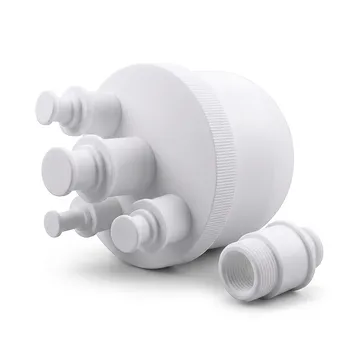
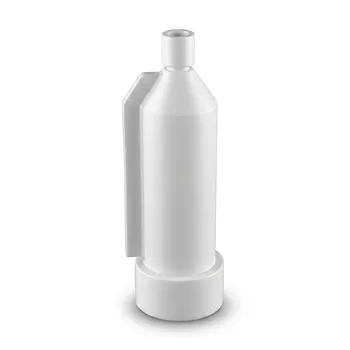
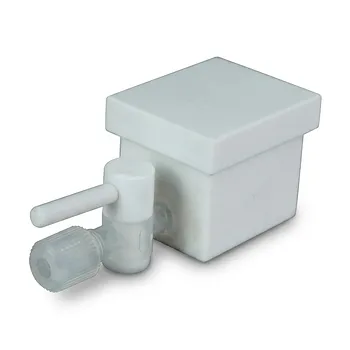
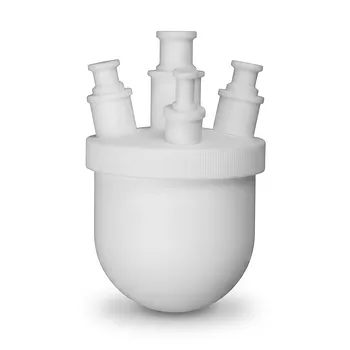
High chemical inertness reaction vessels act as a critical safeguard against molecular contamination during the synthesis of acylhydrazone ligands. By utilizing materials such as PTFE (Polytetrafluoroethylene) or PFA (Perfluoroalkoxy), researchers eliminate the leaching of trace impurities from the reactor walls into the reaction mixture. This ensures that the resulting ligands are chemically pure and ready for precise coordination with metal ions without interference from unintended side reactions.
The primary role of high chemical inertness vessels is to provide a zero-contamination environment that protects the integrity of ligand precursors. This control is essential for preventing non-intended catalytic reactions and ensuring that subsequent metal-ion coordination is both predictable and precise.
The Mechanics of Zero-Contamination Environments
Preventing Material Leaching
Standard reaction vessels, such as those made of certain glasses or lower-grade plastics, can release trace impurities when exposed to harsh organic solvents or heat. High-purity fluoropolymers like PTFE and PFA are chemically stagnant, meaning they do not react with or contaminate the synthesis process.
Maintaining Precursor Purity
The synthesis of acylhydrazone ligands requires a high degree of control over the starting materials. By using inert vessels, the molecular structure of the precursors remains uncompromised by foreign ions or molecules that might otherwise leach from the container surface.
Impact on Synthetic Precision and Coordination
Avoiding Unintended Catalysis
Even minute amounts of metallic impurities from a reaction vessel can act as unintended catalysts. In organic synthesis, these rogue catalysts can trigger side reactions, leading to lower yields or the creation of unwanted byproducts that are difficult to separate from the target ligand.
Ensuring Precise Metal Ion Coordination
Acylhydrazone ligands are often designed to bind with specific metal ions to form complexes. If the ligand is contaminated during its synthesis, the coordination sites may be blocked or altered, significantly reducing the accuracy and effectiveness of the final chemical assembly.
Optimized Conditions for Efficient Conversion
Managing Super-Ambient Environments
Many organic syntheses, including the quaternization reactions often associated with complex organic structures, require super-ambient conditions. Inert vessels designed for high-pressure environments allow for continuous heating (often up to 120°C or higher) and constant stirring.
Enhancing Reactant Contact
A sealed, inert environment ensures that the mixture—which may contain volatile components like methanol or dimethyl carbonate—stays contained and pressurized. This maximizes the efficient conversion of reactants by maintaining optimal contact throughout the heating cycle.
Understanding the Trade-offs
Temperature and Pressure Limitations
While fluoropolymers are highly inert, they have specific thermal thresholds, typically around 260°C for PTFE. Exceeding these limits can lead to material deformation or the release of fluorinated vapors, which compromises both the experiment and safety.
Cost and Material Rigidity
High-purity inert vessels are significantly more expensive than standard borosilicate glassware. Additionally, because these materials are often opaque, researchers cannot visually monitor the reaction progress (such as color changes or precipitation) as easily as they could in a glass flask.
How to Apply This to Your Project
Making the Right Choice for Your Goal
- If your primary focus is high-purity coordination chemistry: Utilize PFA or PTFE vessels to ensure that no trace metals interfere with the ligand-metal binding sites.
- If your primary focus is high-temperature quaternization: Select a high-pressure rated inert vessel that can safely maintain temperatures above 120°C while resisting chemical degradation.
- If your primary focus is routine organic screening: Standard glass may suffice, but you should transition to inert fluoropolymers as soon as the project moves into the "precision synthesis" phase to ensure reproducibility.
By prioritizing chemical inertness in your reaction vessels, you secure the molecular integrity required for advanced organic synthesis and sophisticated metal coordination.
Summary Table:
| Feature | Impact on Acylhydrazone Synthesis | Why Use PTFE/PFA? |
|---|---|---|
| Zero Leaching | Prevents molecular contamination of ligand precursors. | Chemically stagnant material prevents impurity release. |
| Catalysis Control | Avoids unintended side reactions from metallic trace ions. | Eliminates rogue catalysts from vessel walls. |
| Coordination Precision | Ensures coordination sites remain free for target metal ions. | Maintains molecular integrity for predictable binding. |
| Thermal Stability | Supports continuous heating and quaternization (up to 260°C). | High thermal thresholds for super-ambient reactions. |
Maximize Your Synthetic Precision with KINTEK
Ensure absolute molecular integrity in your research by choosing KINTEK’s high-performance fluoropolymer solutions. We provide an exhaustive range of laboratory supplies crafted exclusively from high-purity PTFE and PFA to eliminate contamination risks in sensitive organic synthesis.
Our catalog spans from everyday essentials like beakers, measuring cylinders, crucibles, and reagent bottles to advanced reaction apparatus including custom electrochemical cells, battery testing fixtures, and microwave digestion vessels. Whether you require standard consumables like tubing, valves, and filters or complex non-standard CNC-machined parts for bespoke laboratory setups, KINTEK delivers the durability and inertness your coordination chemistry demands.
Ready to upgrade to a zero-contamination environment? Contact our experts today to discuss your custom fabrication needs!
References
- Jeniffer Meyer Moreira, Daiane Roman. Synthesis and Characterization of Novel Hydrazone Complexes: Exploring DNA/BSA Binding and Antimicrobial Potential. DOI: 10.1021/acsomega.5c00069
This article is also based on technical information from Kintek Knowledge Base .
Related Products
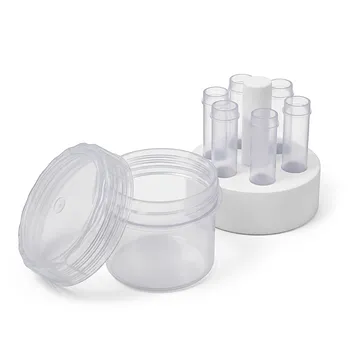
- High Purity Corrosion Resistant PFA Reaction Vessel with PTFE Holder and Integrated Sampling Tube for Trace Analysis
- Custom PFA Reaction Bottles High Purity PTFE Reaction Vessels Corrosion Resistant Petrochemical Containers
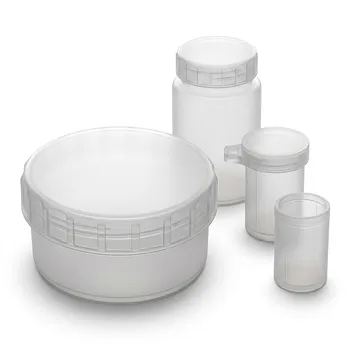
- PFA Reaction Jar Corrosion Resistant Wide Mouth PTFE Lab Bottle High Purity Chemical Vessel
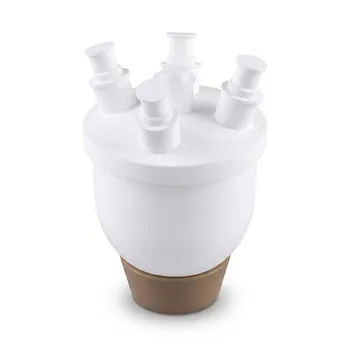
- High Performance Customizable PTFE Reaction Vessel and Corrosion Resistant Polytetrafluoroethylene Flask for Chemical Laboratory Use
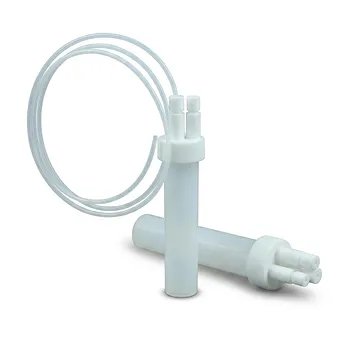
- Corrosion Resistant PTFE Support with PFA Transparent Reaction Tank and High Purity PFA Sampling Tube for Trace Analysis
People Also Ask
- Why is the choice of reaction vessel material critical during B-NiBDC synthesis? Optimize MOF Purity & Performance
- How do the material choice and sealing integrity of the reaction vessel affect the growth of NiFe-LDH? Optimize Synthesis
- Why are well-sealed reaction vessels necessary for superacid-promoted Friedel-Crafts polycondensation? Optimize Synthesis
- Role of reaction vessels in alkali treatment for oil palm waste: Achieve High-Purity Cellulose with PTFE Vessels
- Why are PTFE or PFA reaction vessels required for the selective etching process of MXene using hydrofluoric acid (HF)?