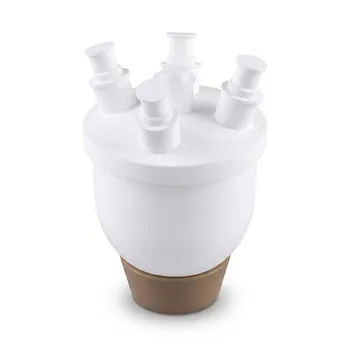
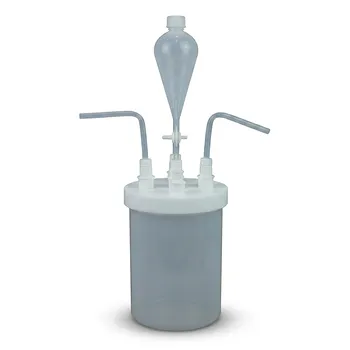
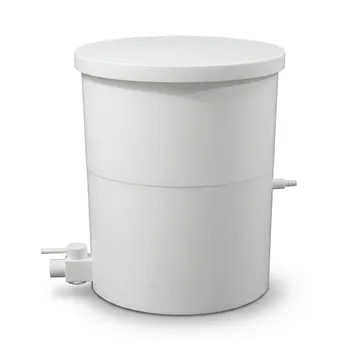
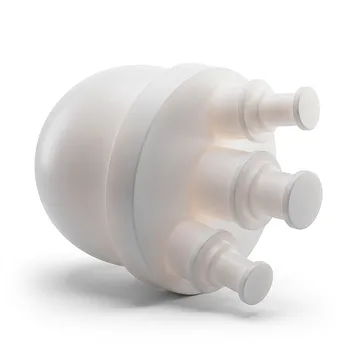
Maintaining a hermetic seal is critical because the superacids used—specifically trifluoromethanesulfonic acid (TFSA) and trifluoroacetic acid (TFA)—are highly volatile and corrosive. These acids function simultaneously as the catalyst and the reaction solvent, meaning any loss through evaporation directly alters the reaction stoichiometry and concentration. A well-sealed environment ensures that the polymerization remains stable at low temperatures, prevents the deactivation of the superacid by atmospheric moisture, and maintains the precise component balance required for high-molecular-weight polymer formation.
Core Takeaway: In superacid-promoted polycondensation, the reaction vessel must be perfectly sealed to preserve the concentration of volatile catalysts and exclude moisture, as even minor fluctuations in solvent volume or acid strength will terminate chain growth and yield inferior copolymers.
Preservation of Catalyst and Solvent Concentration
The Dual Role of Superacids
In the synthesis of poly(arylene fluorenylidene piperidinium) copolymers, TFSA and TFA act as both the chemical catalyst and the primary solvent. Because these substances are responsible for both the reaction's kinetics and the solubility of the growing polymer chains, their volume must remain constant.
Preventing Evaporative Loss
Superacids are inherently volatile, even at the low operating temperatures (typically -5.0 °C) used to control the exotherm of Friedel-Crafts reactions. A well-sealed vessel prevents these vapors from escaping, which would otherwise lead to an unintended increase in solute concentration and potential precipitation of the polymer.
Maintaining Stoichiometric Balance
Polycondensation reactions are hyper-sensitive to the molar ratio of reactants and the concentration of the acid medium. Any loss of the acid component shifts the equilibrium, often resulting in "dead" chain ends that prevent the achievement of high molecular weights.
Protection Against Atmospheric Contamination
Moisture Sensitivity of Superacids
Superacids are extremely hygroscopic, meaning they rapidly absorb water from the surrounding air. When moisture enters an unsealed vessel, it reacts with the TFSA/TFA, significantly reducing their acidity and effectively quenching the polymerization catalyst.
Isolating the Reaction Environment
A hermetic seal creates a controlled micro-environment that is isolated from external humidity. This isolation is vital for ensuring that the superacid maintains its protonating power throughout the duration of the polycondensation process.
Ensuring Low-Temperature Stability
The reaction is often conducted at sub-zero temperatures to manage the intense heat generated by Friedel-Crafts bonding. Proper sealing prevents the condensation of atmospheric water vapor into the reaction mixture, which would introduce impurities and cause localized temperature spikes.
Understanding the Trade-offs and Risks
Internal Pressure vs. Atmospheric Seal
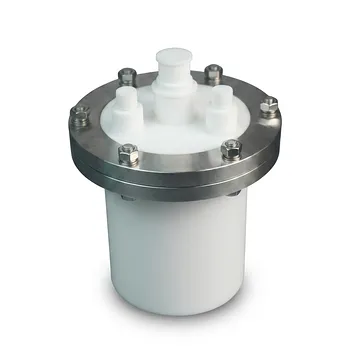
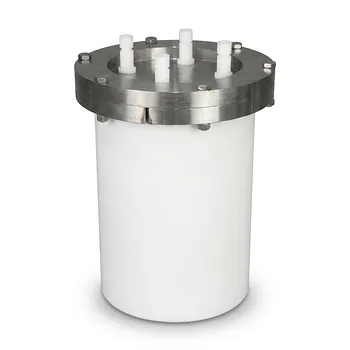
While sealing is necessary to prevent evaporation, the reaction can generate internal pressure if the temperature is not strictly controlled. Using a high-strength vessel with a fluoropolymer liner (PTFE) is essential to provide chemical resistance against the corrosive acids while safely containing any pressure buildup.
Material Compatibility Challenges
Standard gaskets and seals often fail when exposed to the aggressive nature of trifluoromethanesulfonic acid. Relying on inferior sealing materials can lead to leaks, which not only ruin the experiment but also pose significant safety risks to laboratory personnel and equipment.
Reflux vs. Hermetic Sealing
In some synthetic routes, a reflux apparatus is used to return evaporated solvents to the flask; however, for superacid-promoted polycondensation, a static seal is often preferred. This is because reflux systems can be more difficult to keep entirely moisture-free compared to a dedicated, high-pressure sealed reactor.
Implementation Strategies for Optimal Synthesis
To achieve the highest degree of polymerization and maintain the integrity of the copolymer structure, consider the following technical approaches based on your specific constraints:
- If your primary focus is maximum molecular weight: Utilize a heavy-walled glass pressure vessel equipped with a PTFE-coated O-ring to ensure a total moisture barrier and zero vapor loss.
- If your primary focus is safety and corrosive containment: Employ a stainless steel reactor with a high-quality fluoropolymer liner to prevent the superacids from degrading the structural integrity of the vessel.
- If your primary focus is long-duration reaction stability: Use high-grade fluoropolymer seal tape on all joints to maintain an airtight environment for the full 24-hour cycle, preventing the volatilization of the acid medium.
Precise control over the hermetic environment is the single most important factor in transitioning from a failed monomer mix to a high-performance ion-exchange copolymer.
Summary Table:
| Factor | Impact on Polycondensation | Technical Requirement |
|---|---|---|
| Acid Volatility | Loss of TFSA/TFA alters stoichiometry | Hermetic static seal |
| Hygroscopicity | Moisture deactivates the superacid catalyst | Atmospheric isolation |
| Corrosiveness | Standard seals fail, causing leaks/safety risks | PTFE/PFA liners & O-rings |
| Thermal Stability | Condensation introduces impurities at -5.0 °C | High-strength sealed vessels |
Master Your Chemical Synthesis with KINTEK Precision
Achieve high-molecular-weight polymer formation with KINTEK’s exclusive range of high-performance fluoropolymer labware. From everyday essentials like PTFE/PFA beakers, reagent bottles, and centrifuge tubes to advanced hydrothermal synthesis liners, microwave digestion vessels, and custom electrochemical cells, we provide the hermetic integrity your superacid reactions demand.
Backed by end-to-end custom CNC fabrication, KINTEK delivers everything from standard consumables (O-rings, gaskets, stirring bars) to bespoke laboratory setups designed for the most aggressive corrosive environments. We maintain an absolute focus on high-performance materials to ensure your research remains uncontaminated and precise.
Contact us today to discuss your custom laboratory needs!
References
- Ahmed Mohamed Ahmed Mahmoud, Katsuyoshi Kakinuma. Effect of biphenyl groups on the properties of poly(fluorenylidene piperidinium) based anion exchange membranes for applications in water electrolyzers. DOI: 10.1039/d5py00210a
This article is also based on technical information from Kintek Knowledge Base .
Related Products
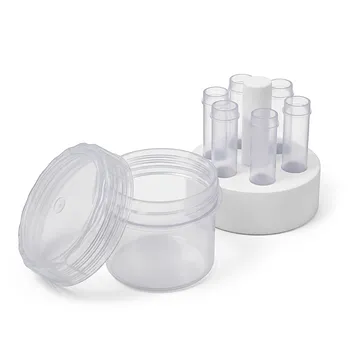
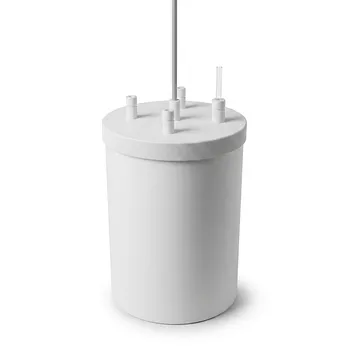
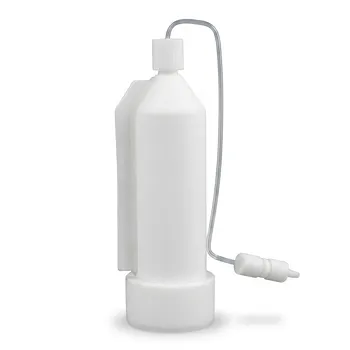
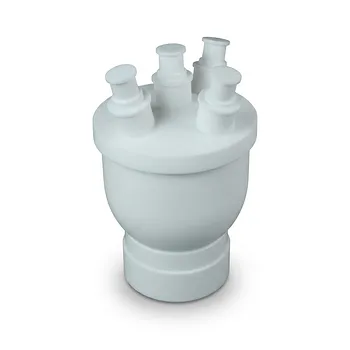
- High Purity Corrosion Resistant PFA Reaction Vessel with PTFE Holder and Integrated Sampling Tube for Trace Analysis
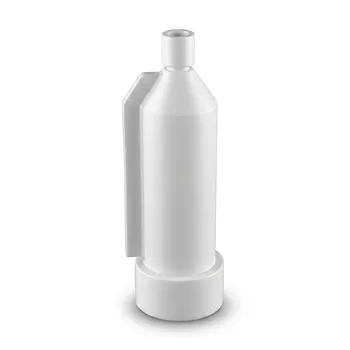
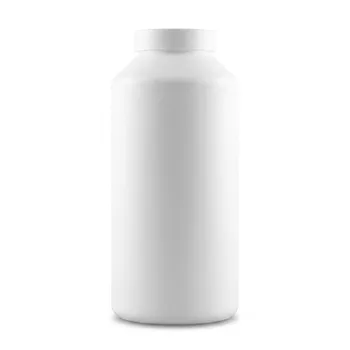
- PFA Reaction Jar Corrosion Resistant Wide Mouth PTFE Lab Bottle High Purity Chemical Vessel
- Custom PFA Reaction Bottles High Purity PTFE Reaction Vessels Corrosion Resistant Petrochemical Containers
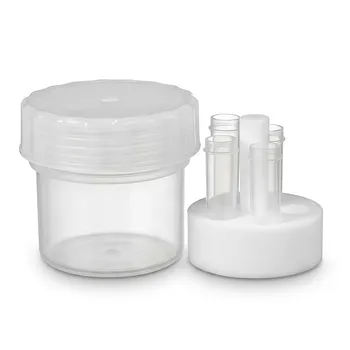
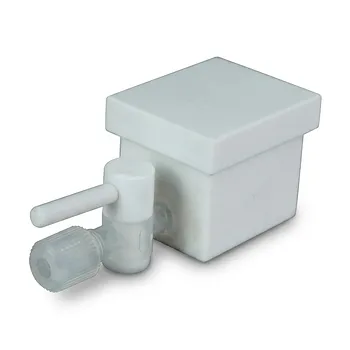
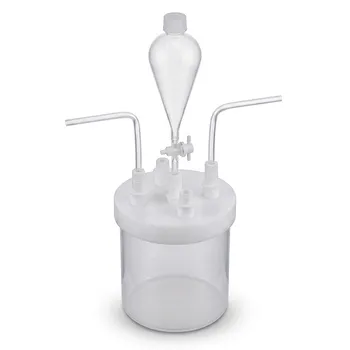
- Corrosion Resistant PTFE Support with PFA Transparent Reaction Tank and High Purity PFA Sampling Tube for Trace Analysis
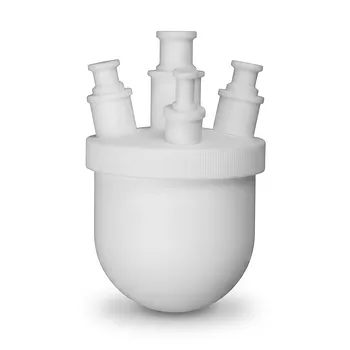
- High Performance Customizable PTFE Reaction Vessel and Corrosion Resistant Polytetrafluoroethylene Flask for Chemical Laboratory Use
People Also Ask
- Why is the choice of reaction vessel material critical during B-NiBDC synthesis? Optimize MOF Purity & Performance
- How do the material choice and sealing integrity of the reaction vessel affect the growth of NiFe-LDH? Optimize Synthesis
- Role of reaction vessels in alkali treatment for oil palm waste: Achieve High-Purity Cellulose with PTFE Vessels
- What is the role of high chemical inertness reaction vessels in the organic synthesis of acylhydrazone ligands? | Guide
- Why are PTFE or PFA reaction vessels required for the selective etching process of MXene using hydrofluoric acid (HF)?