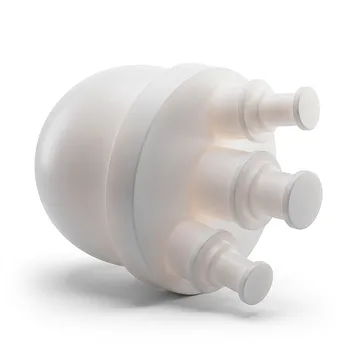
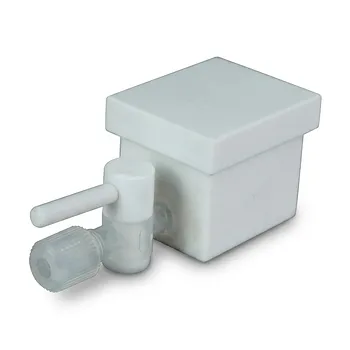
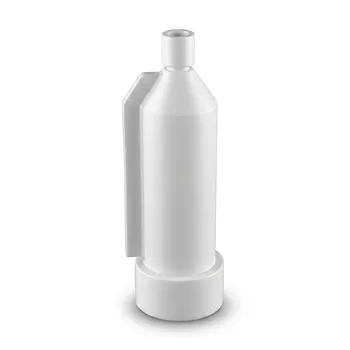
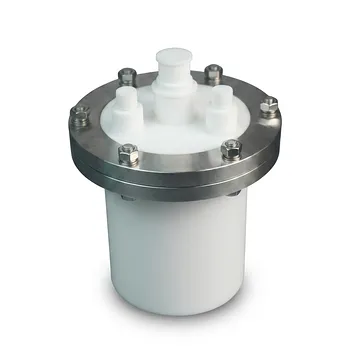
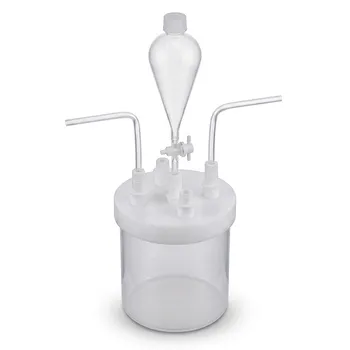
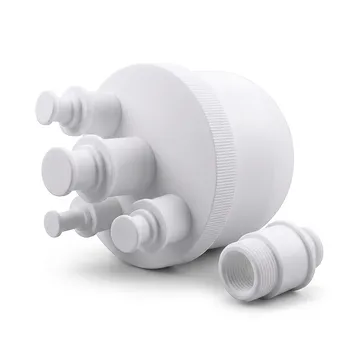
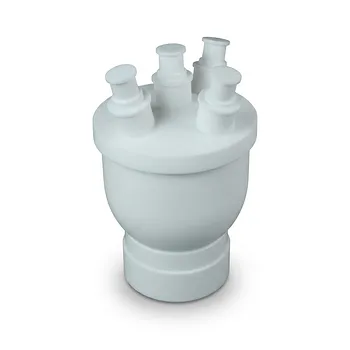
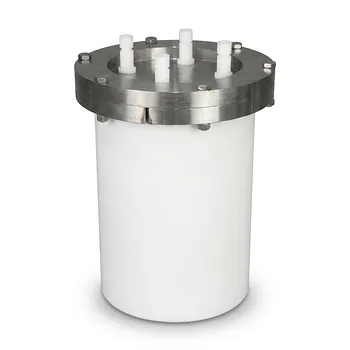
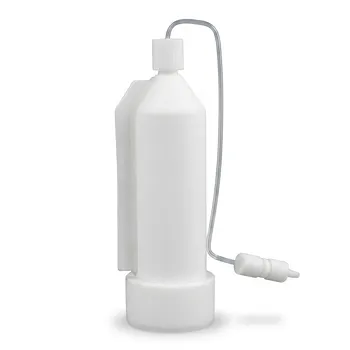
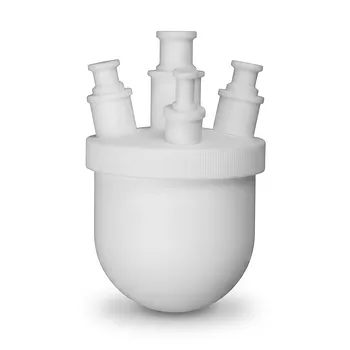
Corrosion-resistant reaction vessels are a non-negotiable requirement for alkaline cellulose extraction because they maintain the structural integrity of equipment against aggressive chemical reagents like high-concentration sodium hydroxide. These specialized vessels allow for the safe application of the thermal and chemical energy needed to swell plant fibers and break the complex hydrogen bonds within lignocellulose. By resisting degradation, they ensure the final cellulose product remains free from metallic or polymer contamination that would otherwise leach from the container walls.
The use of corrosion-resistant vessels is critical for maintaining both process safety and chemical purity during the extraction of cellulose from lignocellulose. These reactors provide a stable thermodynamic environment that facilitates the removal of lignin and hemicellulose while preventing vessel-derived impurities from compromising the final material.
The Chemical Aggression of Alkaline Treatment
The Role of High-Concentration Sodium Hydroxide
Alkaline treatment typically utilizes high concentrations of sodium hydroxide (NaOH) to process lignocellulosic biomass. This strong base creates an aggressive environment that can rapidly degrade standard industrial materials, leading to equipment failure or dangerous leaks.
Thermal Stability and Reaction Kinetics
Extraction processes often require maintaining temperatures around 80°C for prolonged periods to accelerate the reaction. Corrosion-resistant vessels, such as those made from PTFE (Polytetrafluoroethylene) or high-grade stainless steel, provide the thermodynamic stability required to sustain these conditions without compromising the vessel's structure.
Breaking the Lignocellulose Matrix
The primary goal of the alkaline environment is to cause the plant fibers to swell. This physical expansion is necessary to chemically break the hydrogen bonds between cellulose and hemicellulose, allowing for the isolation of high-purity cellulose.
Maintaining the Purity of the Cellulose Matrix
Preventing Leaching and Elemental Contamination
If a reaction vessel is not corrosion-resistant, the strong alkaline solution will cause the container material to leach into the reaction mixture. This introduces unwanted impurities, such as metal ions or decomposed polymers, into the cellulose samples, which is unacceptable for high-performance applications.
Facilitating Effective Impurity Removal
A stable chemical environment allows the NaOH to focus exclusively on removing lignin, pectin, and waxes. When the vessel remains inert, the resulting cellulose achieves superior surface wettability and purity, which is vital for its use in hybrid materials and fermentation.
Ensuring Equipment Longevity
Using materials like PFA (Perfluoroalkoxy alkanes) or laboratory-grade polyethylene protects the long-term investment of the processing facility. These materials resist the erosion caused by both the chemical reagents and mechanical processes like acid-assisted ball milling.
Understanding the Trade-offs
Material Selection Challenges
While stainless steel offers excellent structural strength and heat transfer, it may still be susceptible to certain specific chemical attacks over long durations. Conversely, fluoropolymers like PTFE offer near-total chemical inertness but may have lower mechanical strength or slower heat transfer rates.
Cost vs. Durability
High-performance corrosion-resistant reactors represent a higher initial capital investment compared to standard glass or lower-grade steel containers. However, the risk of sample contamination and the cost of frequent equipment replacement usually outweigh the initial savings of using non-resistant materials.
Limitations in Multi-Acid Environments
A vessel optimized for alkaline treatment might not always be the ideal choice for dilute acid pretreatment. While some materials like PTFE are "universal," others may be specific to high-pH or low-pH environments, requiring careful matching of the vessel material to the specific extraction chemistry.
How to Apply This to Your Extraction Process
Successful cellulose extraction requires aligning your hardware with your specific chemical requirements to ensure both safety and quality.
- If your primary focus is high-purity laboratory analysis: Utilize PTFE or PFA vessels to ensure zero metallic contamination and maximum resistance to high-concentration NaOH.
- If your primary focus is industrial-scale throughput: Opt for high-quality stainless steel or specialized lined reactors that balance structural durability with the necessary corrosion resistance for bulk processing.
- If your primary focus is multi-stage processing (Acid and Alkali): Ensure your reaction vessels are rated for both strong bases and mineral acids (like sulfuric or hydrochloric acid) to maintain versatility across the entire pretreatment workflow.
Choosing the correct corrosion-resistant environment is the fundamental step in transforming raw lignocellulose into a high-value, pure cellulose matrix.
Summary Table:
| Key Factor | Impact on Cellulose Extraction | Recommended Solution |
|---|---|---|
| Chemical Resistance | Resists degradation from high-concentration NaOH | PTFE / PFA |
| Purity Maintenance | Prevents leaching of metallic or polymer impurities | High-purity Fluoropolymers |
| Thermal Stability | Maintains integrity at 80°C+ for lignin removal | PTFE / PFA / Stainless Steel |
| Structural Durability | Resists erosion from mechanical ball milling | CNC-machined Fluoropolymers |
Elevate Your Research with KINTEK’s High-Performance Fluoropolymers
From everyday basic labware like beakers, crucibles, and reagent bottles to advanced reaction apparatus such as microwave digestion vessels and custom microchannel reactors, KINTEK manufactures virtually all imaginable laboratory supplies crafted from PTFE and PFA.
Whether you need high-purity trace analysis instruments, fluid transfer components (tubing, valves, fittings), or complex bespoke laboratory setups for lignocellulose processing, our end-to-end custom CNC fabrication delivers the chemical inertness your process demands. Don't let equipment leaching compromise your sample purity. Contact us today to secure the highest-quality fluoropolymer solutions for your lab.
References
- Ilyace Korodowou. Lignocellulosic Fibers for Nonwovens: Description, Manufacturing Processes, and Applications. DOI: 10.37628/ijpb.v11i02.21981
This article is also based on technical information from Kintek Knowledge Base .
Related Products
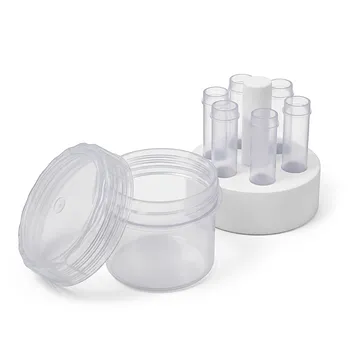
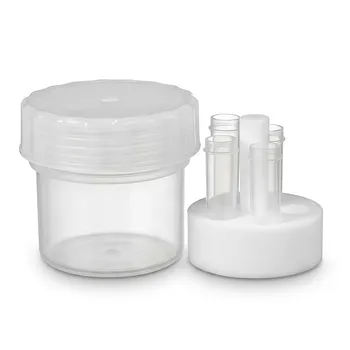
- High Purity Corrosion Resistant PFA Reaction Vessel with PTFE Holder and Integrated Sampling Tube for Trace Analysis
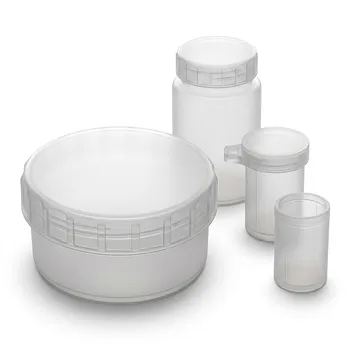
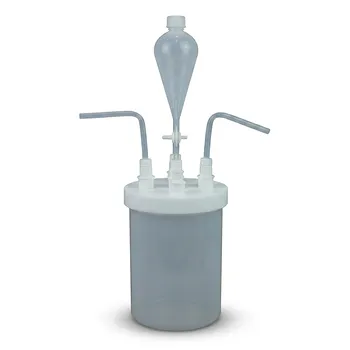
- PFA Reaction Jar Corrosion Resistant Wide Mouth PTFE Lab Bottle High Purity Chemical Vessel
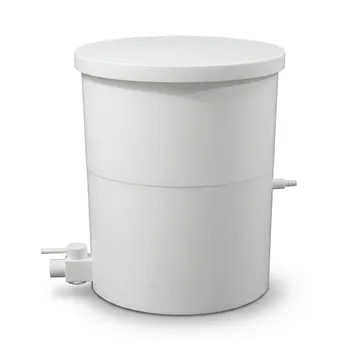
- Custom PFA Reaction Bottles High Purity PTFE Reaction Vessels Corrosion Resistant Petrochemical Containers
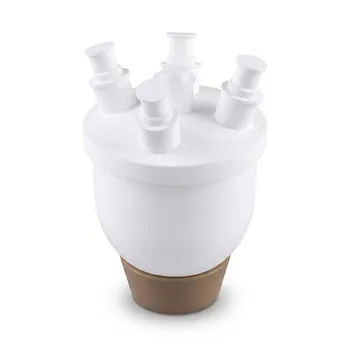
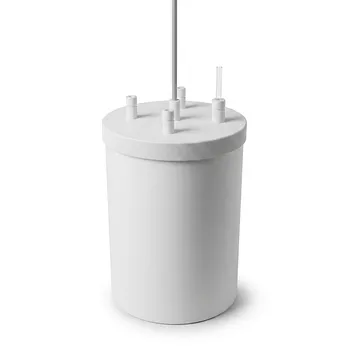
- High Performance Customizable PTFE Reaction Vessel and Corrosion Resistant Polytetrafluoroethylene Flask for Chemical Laboratory Use
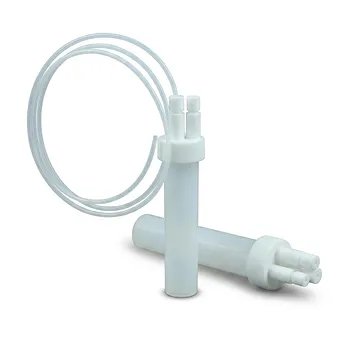
- Corrosion Resistant PTFE Support with PFA Transparent Reaction Tank and High Purity PFA Sampling Tube for Trace Analysis
People Also Ask
- Why is the choice of reaction vessel material critical during B-NiBDC synthesis? Optimize MOF Purity & Performance
- How do the material choice and sealing integrity of the reaction vessel affect the growth of NiFe-LDH? Optimize Synthesis
- Why are well-sealed reaction vessels necessary for superacid-promoted Friedel-Crafts polycondensation? Optimize Synthesis
- Role of reaction vessels in alkali treatment for oil palm waste: Achieve High-Purity Cellulose with PTFE Vessels
- What is the role of high chemical inertness reaction vessels in the organic synthesis of acylhydrazone ligands? | Guide