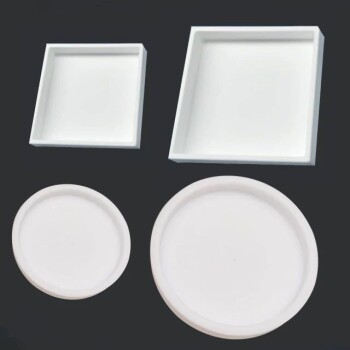
PTFE is widely used because it combines chemical inertness, thermal stability, low friction, and low surface energy in one material. These characteristics allow it to contact aggressive acids, bases, solvents, and high-purity samples with minimal reaction, contamination, or sticking. Its resistance to weathering, moisture, and electrical conduction further supports reliable performance in laboratory equipment, tubing, valves, fittings, vessels, and linings.
The central advantage of PTFE is its ability to preserve both the equipment and the material being handled under chemically and thermally demanding conditions. Its low surface energy and friction complement its resistance to degradation, making systems easier to clean, seal, and operate.
Why PTFE Performs Reliably in Harsh Chemical Service
Extreme chemical inertness
PTFE’s carbon–fluorine structure gives it exceptionally strong resistance to chemical attack. It generally resists strong acids, bases, and most organic solvents that would degrade many metals, elastomers, or conventional plastics.
This makes PTFE valuable for acid digestion vessels, reagent bottles, tubing, valves, gaskets, and fluid-transfer components. The material is less likely to introduce reaction products or contaminants into sensitive samples.
Low extractables and sample interaction
PTFE is effectively nonreactive with many laboratory and process fluids. That limits unwanted adsorption, leaching, and chemical interaction compared with materials that can absorb or react with the medium.
This is especially important in trace analysis and high-purity workflows, where even small contamination sources can affect results.
Important limits to chemical resistance
PTFE is not invulnerable to every chemical under every condition. Molten alkali metals, elemental fluorine, and certain highly reactive fluorinating conditions can attack it, particularly at elevated temperatures.
Chemical compatibility must therefore be evaluated against the actual fluid, concentration, temperature, pressure, and exposure time.
How Thermal Stability Supports High-Performance Equipment
Broad operating-temperature capability
PTFE remains useful across a broad temperature range, commonly cited at approximately −180°C to 260°C for service, depending on grade, design, load, and application conditions.
This supports equipment exposed to cryogenic conditions, heated chemical processes, thermal cycling, and laboratory digestion procedures.
Resistance to thermal degradation
PTFE has a very high melting transition—approximately 327°C—and does not behave like an ordinary low-viscosity molten plastic when heated beyond that point. However, exceeding recommended service temperatures can lead to decomposition and hazardous fumes.
The practical benefit is not unlimited heat resistance; it is stable performance within a carefully controlled operating range.
Low flammability and environmental durability
PTFE is nonflammable under normal conditions and resists weathering, moisture, and ultraviolet exposure. These characteristics help maintain performance in outdoor, corrosive, humid, or temperature-variable environments.
For fluid systems, this durability reduces the likelihood that the lining, seal, or hose material will deteriorate simply because of environmental exposure.
Why Low Surface Energy Matters in Fluid Handling
Non-stick behavior
PTFE has exceptionally low surface energy, producing a highly non-stick surface. Chemicals and biological materials are less likely to adhere strongly to it.
That supports cleaner transfer, easier rinsing, reduced residue retention, and lower cross-contamination risk in laboratory vessels and flow paths.
Low friction and smooth flow paths
PTFE has a low coefficient of friction, which can reduce sliding resistance in seals, valve components, bearings, and moving interfaces. Its smooth surface can also help reduce material buildup inside tubing and fittings.
These properties are particularly useful where reliable actuation, low maintenance, or clean fluid transport is more important than maximum mechanical strength.
Water repellency and cleaning
PTFE is strongly hydrophobic, so water does not readily wet its surface. Combined with its non-stick character and chemical resistance, this makes PTFE components comparatively easy to clean and decontaminate.
The result is a material well suited to equipment that must be reused without retaining significant residues from previous operations.
The Mechanical and Electrical Characteristics That Add Value
Flexibility at low temperatures
PTFE retains useful flexibility at very low temperatures compared with many rigid plastics. This helps tubing, seals, and flexible components accommodate cold service and thermal changes.
Its high elongation can also help it conform to mating surfaces in some sealing applications.
Strong electrical insulation
PTFE has a low dielectric constant, a low dissipation factor, and excellent insulating properties. These characteristics are valuable when fluid-contact components must also isolate electrical conductors or operate near sensitive instrumentation.
This electrical performance broadens PTFE’s usefulness beyond purely chemical containment.
Resistance to aging and weathering
PTFE generally resists oxidation, sunlight, moisture, and environmental exposure. Its properties therefore remain relatively stable over long service periods compared with materials more vulnerable to aging.
That stability supports durable pipe linings, tank linings, valve seats, seals, and laboratory components.
How These Characteristics Translate into Applications
High-purity laboratory equipment
In digestion vessels, reagent containers, sample-handling parts, and trace-analysis components, the priority is often sample integrity. PTFE’s low reactivity, low contamination potential, and non-stick surface directly address that need.
Corrosive-fluid systems
PTFE linings protect pipes, tanks, valves, fittings, hoses, and gaskets from aggressive or hazardous fluids. The lining acts as a chemically resistant barrier while the underlying structure provides mechanical support.
Seals, valves, and fittings
Low friction and chemical resistance make PTFE useful for valve seats, sealing elements, gaskets, and threaded or sliding interfaces. These components can remain functional when exposed to fluids that would swell, embrittle, or dissolve ordinary elastomers.
Electrical and analytical environments
PTFE’s insulating behavior and low contamination profile make it suitable around sensors, analytical instruments, and electrically sensitive laboratory assemblies.
Understanding the Trade-offs
Limited mechanical strength and stiffness
PTFE is not as strong or stiff as many engineering plastics or metals. Its tensile strength is moderate, and its relatively low modulus can be a disadvantage in unsupported structures or high-load applications.
For that reason, PTFE is often used as a liner, seal, insert, or chemically resistant contact surface, rather than as the sole load-bearing structure.
Creep and deformation under load
PTFE can deform gradually under sustained pressure or compressive load, a behavior commonly known as creep or cold flow. This matters in flanges, gaskets, valve seats, and other continuously loaded components.
Designers may use controlled compression, backup structures, fillers, or modified PTFE grades to manage this limitation.
Temperature limits still apply
Although PTFE is thermally stable, its recommended continuous service temperature is substantially below its melting transition. High heat can also accelerate decomposition or reduce mechanical performance under load.
Temperature, pressure, chemical exposure, and mechanical stress must be assessed together rather than independently.
Processing and cost considerations
PTFE does not process like most thermoplastics because of its very high melt viscosity. It is commonly formed through specialized techniques and may require machining or sintering.
This can increase manufacturing complexity and cost, particularly when compared with standard plastics.
Permeation and pressure design
PTFE resists chemical attack, but it is not an absolute barrier to every gas or vapor. Permeation, wall thickness, pressure, temperature, and mechanical support may therefore be important in fluid-handling designs.
Chemical resistance should never be treated as a substitute for complete system-level engineering.
Making the Right Choice for Your Goal
PTFE is most effective when its chemical and surface advantages matter more than maximum structural strength or low material cost.
- If your primary focus is chemical compatibility: Use PTFE for contact with aggressive acids, bases, solvents, and high-purity fluids, while verifying compatibility with unusually reactive chemicals and operating conditions.
- If your primary focus is sample integrity: Choose PTFE for vessels, tubing, fittings, and components where low reactivity, low extractables, and easy cleaning help minimize contamination.
- If your primary focus is thermal service: Use PTFE within its specified temperature range and evaluate pressure, mechanical loading, and thermal decomposition risks separately.
- If your primary focus is low-friction operation: Consider PTFE for valve seats, seals, sliding interfaces, and non-stick fluid-contact surfaces, while accounting for creep and wear.
- If your primary focus is structural strength: Use PTFE selectively as a liner, seal, or insert, and pair it with a mechanically stronger material when necessary.
PTFE’s widespread use comes from the uncommon combination of chemical inertness, thermal resilience, low friction, non-stick behavior, and electrical insulation—not from any single property alone.
Summary Table:
| Property | Description | Applications |
|---|---|---|
| Chemical Inertness | Resists acids, bases, and solvents | Digestion vessels, tubing, valves |
| Thermal Stability | Operates from -180°C to 260°C | Cryogenic and high-temperature processes |
| Low Surface Energy | Non-stick, easy to clean | Sample handling, fluid transfer |
| Low Friction | Reduces sliding resistance | Seals, valve seats, bearings |
| Electrical Insulation | Low dielectric constant | Analytical instruments, electrical isolation |
| Durability | Resists weathering and aging | Outdoor and harsh environments |
Ready to enhance your lab's performance with PTFE? At KINTEK, we specialize in high-quality PTFE and PFA labware, from beakers and tubing to custom CNC-machined parts. Our products are designed to deliver purity, durability, and precision for your most demanding applications. Contact us today to discuss your needs and see how we can support your success. Contact us for a quote or consultation.
Related Products
- Custom PTFE Filtration System Acid Resistant High Purity Semiconductor Grade Chemical Processing Filter
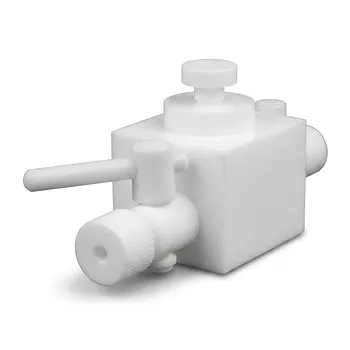
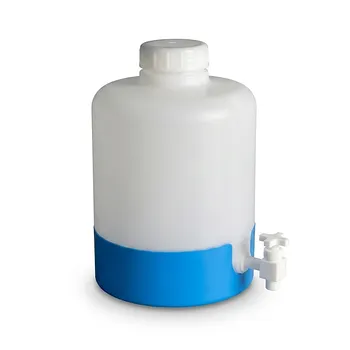
- High Corrosion Resistant PTFE Faucet Polytetrafluoroethylene Valve for Chemical Storage Drums and Fluid Transfer Systems Customizable Industrial Grade
- PTFE PFA Vacuum Filtration System Corrosion Resistant Customizable Shatterproof Laboratory Device
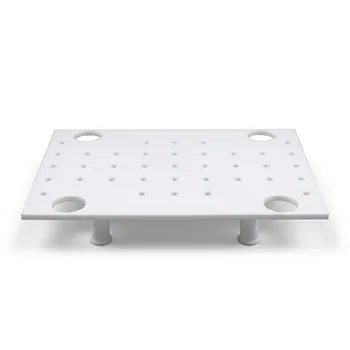
- PTFE Corrosion Resistant Filter with PFA Valve Connections and Integrated Sieve Plate
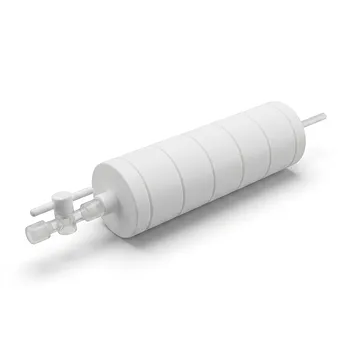
- High Temperature Chemical Resistant 50ml PTFE Syringe Customized Teflon Injector with Threaded Seal for Trace Analysis
People Also Ask
- What makes PTFE filtration systems advantageous for industrial and scientific use? Unmatched Chemical & Thermal Stability
- What steps are involved in selecting the proper PTFE filter? A 4-Step Guide to Optimal Filtration
- What sizes and pore options are available for PTFE filters? Choose the Right Filter for Your Application
- What temperature resistance do PTFE filters offer? Unmatched Thermal Stability from -200°C to +260°C
- How does the hydrophobicity of PTFE filters benefit their use? Ensure Uninterrupted Gas Flow and Solvent Filtration