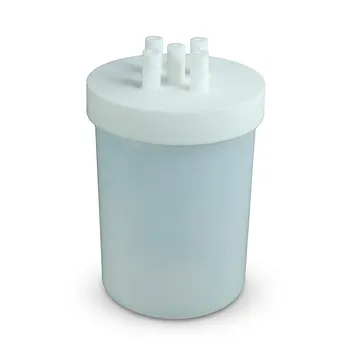
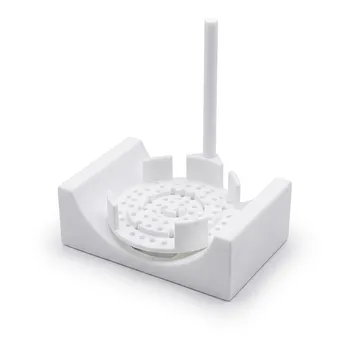
The efficiency of Photoelectrochemical (PEC) water splitting depends on the synergy between two critical components: the photoelectrode panel and the reaction cell.
The photoelectrode panel functions as the primary engine for energy conversion, capturing solar radiation to generate the charge carriers necessary for chemical reactions. Meanwhile, the PEC reaction cell acts as the operational framework, providing the controlled environment required for charge transport, gas separation, and the safe collection of produced hydrogen.
The photoelectrode panel harvests solar energy to create the "spark" for the reaction, while the reaction cell manages the "logistics" of turning that spark into storable hydrogen gas.
The Photoelectrode Panel: The Solar Harvesting Engine
Solar Energy Absorption
The photoelectrode panel is the core component responsible for capturing incident sunlight. It utilizes semiconductor materials to absorb photons, which provides the necessary energy to drive the water-splitting process.
Generation of Charge Carriers
Once light is absorbed, the panel generates photo-generated electron-hole pairs. These microscopic charges are the fundamental currency of the PEC process, as they provide the electrical potential needed to break water molecules into hydrogen and oxygen.
Surface Reaction Sites
The panel’s surface serves as the interface where light energy is converted into chemical energy. The quality and composition of this panel directly determine the maximum theoretical efficiency of the entire hydrogen production system.
The PEC Reaction Cell: The Electrochemical Framework
Creating a Controlled Environment
The reaction cell provides a stable electrochemical housing that protects the photoelectrode and maintains the necessary electrolyte concentration. This controlled environment is essential for preventing the premature degradation of sensitive components.
Facilitating Charge Separation and Transport
Efficient hydrogen production requires that electrons and holes reach their respective reaction sites without recombining and wasting energy. The cell design is optimized to minimize internal resistance, ensuring that ions can move freely and efficiently through the electrolyte.
Gas Collection and Purity
Beyond the chemical reaction, the cell must provide high-quality sealing to prevent gas leaks. It is specifically designed to separate and collect hydrogen and oxygen gases, ensuring they do not re-combine or become contaminated.
Understanding the Trade-offs
Efficiency vs. Durability
While certain photoelectrode materials offer exceptional light absorption, they may be susceptible to photocorrosion when placed in the reaction cell's electrolyte. Engineers must often choose between high-performance materials and those that can withstand long-term exposure to the electrochemical environment.
Ionic Resistance vs. Gas Separation
Decreasing the distance between electrodes within the reaction cell reduces ionic resistance, which can boost efficiency. However, moving electrodes closer together increases the risk of product gas mixing, which compromises both the purity of the hydrogen and the safety of the system.
Optimizing Your PEC System Configuration
To achieve the best results in solar hydrogen production, you must align your component selection with your specific operational goals.
- If your primary focus is maximizing solar-to-hydrogen (STH) efficiency: Prioritize a photoelectrode panel with high photon absorption and optimized bandgap alignment.
- If your primary focus is long-term operational stability: Invest in a reaction cell design that utilizes advanced sealing and materials resistant to electrolyte corrosion.
- If your primary focus is gas purity and safety: Select a reaction cell architecture that employs specialized membranes or physical barriers to ensure strict separation of hydrogen and oxygen.
Mastering the balance between light harvesting and electrochemical management is the definitive path to viable solar-to-hydrogen energy conversion.
Summary Table:
| Component | Primary Function | Key Performance Factors |
|---|---|---|
| Photoelectrode Panel | Solar harvesting & charge generation | Photon absorption, bandgap alignment, surface reaction sites |
| PEC Reaction Cell | Electrochemical housing & gas management | Ionic resistance, sealing integrity, gas separation (H2/O2) |
| Synergy Goal | Efficient solar-to-hydrogen conversion | Balanced efficiency, durability, and high gas purity |
Enhance Your PEC Research with High-Performance Fluoropolymer Solutions
Precision in Photoelectrochemical (PEC) water splitting requires materials that can withstand rigorous electrochemical environments without compromising purity. KINTEK specializes in manufacturing virtually all imaginable laboratory supplies crafted from high-performance PTFE and PFA.
Whether you are scaling up solar hydrogen production or conducting fundamental trace analysis, we provide the tools necessary for success:
- Specialized PEC Tools: Standard and custom electrochemical cells, battery testing fixtures, and electrode accessories.
- Reaction & Synthesis: Hydrothermal synthesis liners, microwave digestion vessels, and microchannel reactors.
- Fluid Management: Comprehensive fluid transfer components including tubing, fittings, valves, and separatory funnels.
- Essential Labware: From everyday basics like beakers, crucibles, and reagent bottles to high-purity filtration tools and sample prep equipment.
Backed by end-to-end custom CNC fabrication, KINTEK is equipped to deliver everything from complex, non-standard machined parts to high-volume orders tailored to your specific research parameters.
Ready to optimize your lab’s efficiency and durability? Contact KINTEK today for a custom consultation!
References
- Viraj Pasindu, Imalka Munaweera. Multifunctional transition metal oxide/graphene oxide nanocomposites for catalytic dye degradation, renewable energy, and energy storage applications. DOI: 10.1039/d5ra04806k
This article is also based on technical information from Kintek Knowledge Base .
Related Products
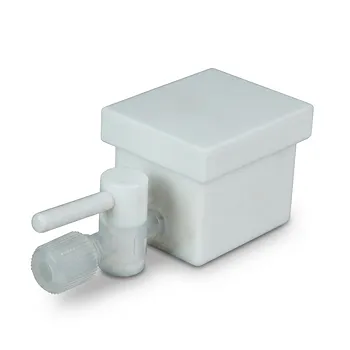
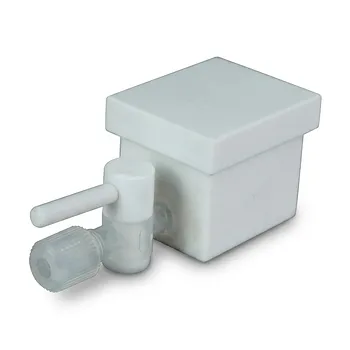
- Custom PTFE Corrosion Resistant Insulating Electrophoresis Reaction Cell with Septum and Valves for Low Background Trace Analysis
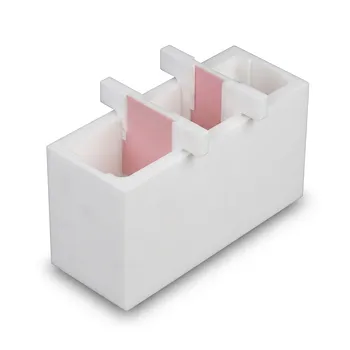
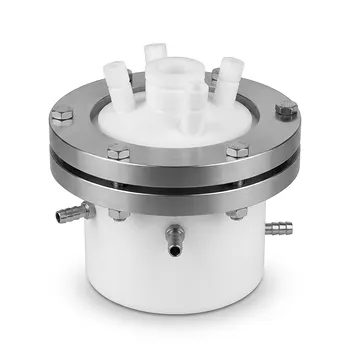
- Corrosion Resistant PTFE Electrochemical Cell for New Energy Research Inert Insulating Customizable Lab Reaction Vessel
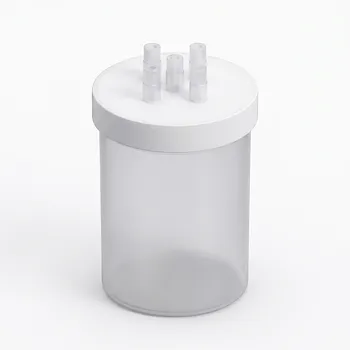
- High Purity Custom PTFE Reaction Cell Electrolytic Tank for Semiconductor and Polysilicon Industrial Applications
- High Purity PTFE Reaction Vessel with Electric Stirring System and Customizable 5L Tank including Buchner Funnel Filtration Assembly
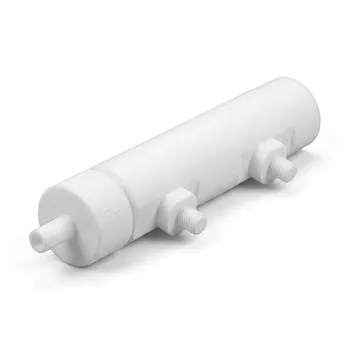
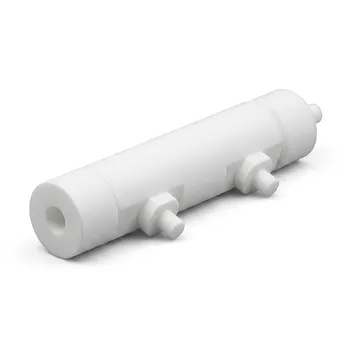
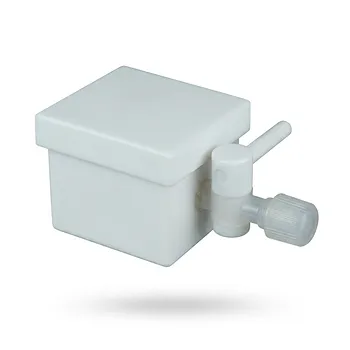
- Custom PTFE Electrolytic Cell Corrosion Resistant Low Background Reaction Vessel with Inlet Outlet Ports
People Also Ask
- What industries benefit most from custom PTFE parts? Solve Extreme Environment Challenges
- What industries use custom PTFE parts and for what purposes? Solve Critical Challenges with High-Performance Materials
- What design considerations are important for custom PTFE parts? Design for Performance & Reliability
- What advantages do custom PTFE parts offer for industrial efficiency? Boost Uptime & Cut Costs
- What are the main advantages of using PTFE for custom parts? Solve Complex Engineering Challenges