PTFE (Polytetrafluoroethylene) serves as the primary barrier against contamination and material loss in pharmaceutical and biotechnology research. Its role is defined by its near-total chemical inertness, which ensures that high-purity reagents and sensitive biologics remain untainted by leachables. Because it maintains stability across extreme temperature ranges and provides a non-stick surface, it is essential for both the containment of hazardous chemicals and the processing of delicate, viscous drug candidates.
Core Takeaway: PTFE is the industry standard for ensuring "clean" research and production. Its unique combination of chemical resistance, thermal stability, and low-friction properties protects the integrity of biologics while maximizing manufacturing yield and safety.
Maintaining Absolute Purity in Research
The most critical requirement in R&D is the prevention of cross-contamination and the preservation of sample integrity.
Eliminating Trace Leachables
In laboratories, PTFE bottles, vials, and carboys are used to store high-purity reagents. Unlike lesser plastics, PTFE does not release trace metal or organic leachables into the stored material, which is vital when working with sensitive biologics.
Chemical Resistance in Hazardous Environments
PTFE tubing is indispensable for handling harsh chemicals like concentrated acids. Its ability to resist degradation ensures that experiments demanding high accuracy are not compromised by reactions between the container and the reagent.
Validated Cleaning and Sterilization
The non-porous surface of PTFE supports Clean-in-Place (CIP) and sterilization protocols. This prevents flavor or odor carry-over between batches and ensures that equipment meets strict FDA-compliant cleaning standards.
Optimizing Process Efficiency and Yield
In the transition from research to development, PTFE minimizes material waste and protects the mechanical flow of the production line.
Maximizing Yield of Viscous Materials
The non-stick surface of PTFE is ideal for formulating viscous drug candidates. By preventing material from clinging to container walls or hoppers, it significantly improves the final yield and reduces waste.
Protecting Shear-Sensitive Biologics
Biologics are often sensitive to the friction and turbulence found in standard piping. PTFE connectors and hose connectors provide a low-friction environment that ensures the smooth flow of these delicate materials while absorbing equipment vibrations.
Reliability in Moving Mechanical Parts
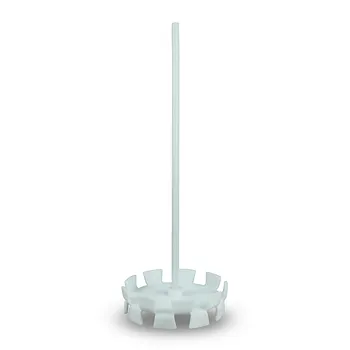
PTFE is used in mixers, presses, and bushings due to its low friction and wear resistance. Its inert nature means that even if microscopic debris from a seal enters the process stream, it is biologically inconsequential and does not react with the product.
Durability Across Extreme Thermal Cycles
Pharmaceutical R&D requires materials that can move seamlessly between cryogenic storage and high-heat sterilization.
Thermal Stability in Storage and Sterilization
PTFE retains its structural integrity during both refrigerated storage and high-temperature sterilization cycles. This allows a single container or component to be used throughout the entire lifecycle of a drug's thermal processing.
Performance in High-Pressure Seals
In equipment like reactors and valves, PTFE packing provides a secure seal against strong oxidizers and solvents. This resistance ensures the packing does not degrade over time, maintaining the pressure and vacuum levels required for complex chemical syntheses.
Understanding the Trade-offs
While PTFE is a "wonder material" for R&D, it is not without limitations that engineers must account for.
Mechanical Limitations and "Cold Flow"
PTFE is relatively soft compared to metals or high-strength engineering plastics. Under constant heavy loads, it can experience "cold flow" or creep, where the material slowly deforms, potentially requiring more frequent monitoring of seals.
Cost and Manufacturing Complexity
High-performance fluoropolymers are significantly more expensive than standard plastics like polypropylene. The specialized manufacturing processes required to shape PTFE also mean that custom laboratory components may have higher lead times and costs.
How to Apply PTFE Solutions to Your Project
Choosing the right application for PTFE depends on your specific research constraints and the nature of the biologics you are developing.
- If your primary focus is Sample Purity: Prioritize PTFE-lined bottles and vials to eliminate the risk of organic or metal leachables during long-term storage.
- If your primary focus is Process Efficiency: Utilize PTFE-coated hoppers and non-stick formulation vessels to maximize the yield of expensive, viscous drug candidates.
- If your primary focus is System Longevity: Invest in FDA-compliant PTFE seals and packing for reactors to ensure resistance against harsh cleaning agents and high-temperature sterilization.
By integrating PTFE into the critical paths of research and production, organizations can ensure that their technical outcomes are dictated by science, not by material contamination.
Summary Table:
| Key Benefit | Role in Pharma/Biotech R&D | Typical PTFE Components |
|---|---|---|
| Absolute Purity | Eliminates trace leachables & prevents cross-contamination. | Bottles, vials, carboys, beakers. |
| Chemical Inertness | Resists harsh acids & solvents without material degradation. | Tubing, valves, reagent bottles. |
| Process Efficiency | Non-stick surface maximizes yield of viscous drug materials. | Hoppers, liners, stirring bars. |
| Thermal Stability | Maintains integrity from cryogenics to high-heat sterilization. | Seals, gaskets, reaction vessels. |
| Low Friction | Protects shear-sensitive biologics during fluid transfer. | Connectors, hose fittings, bushings. |
Elevate your pharmaceutical and biotech R&D with KINTEK’s comprehensive range of high-performance fluoropolymer solutions. We provide everything from everyday basic labware—including beakers, reagent bottles, and centrifuge tubes—to advanced components like high-purity tubing, valves, and custom-machined reaction apparatus.
Whether you need standard PFA/PTFE sample prep tools or bespoke laboratory setups crafted via our end-to-end custom CNC fabrication, we ensure absolute focus on material integrity and chemical resistance. Protect your sensitive biologics and maximize your process yields—contact our experts today to discuss your project requirements!
Related Products
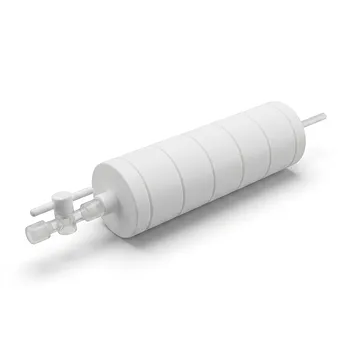
- Custom PTFE Filtration System Acid Resistant High Purity Semiconductor Grade Chemical Processing Filter
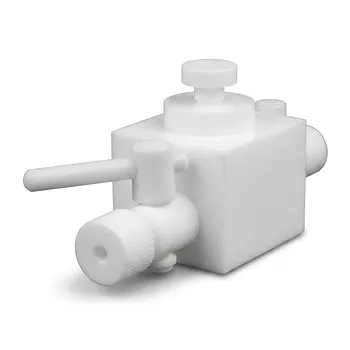
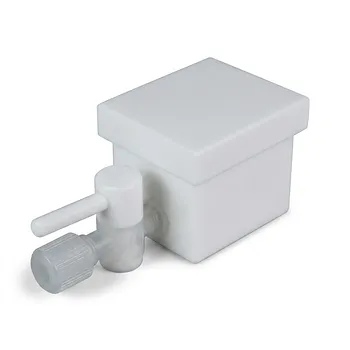
- High Corrosion Resistant PTFE Faucet Polytetrafluoroethylene Valve for Chemical Storage Drums and Fluid Transfer Systems Customizable Industrial Grade
- PTFE PFA Vacuum Filtration System Corrosion Resistant Customizable Shatterproof Laboratory Device
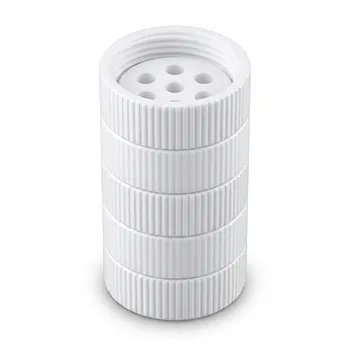
- PTFE Corrosion Resistant Filter with PFA Valve Connections and Integrated Sieve Plate
- High Temperature Chemical Resistant 50ml PTFE Syringe Customized Teflon Injector with Threaded Seal for Trace Analysis
People Also Ask
- What makes PTFE filtration systems advantageous for industrial and scientific use? Unmatched Chemical & Thermal Stability
- What sizes and pore options are available for PTFE filters? Choose the Right Filter for Your Application
- What steps are involved in selecting the proper PTFE filter? A 4-Step Guide to Optimal Filtration
- How does the hydrophobicity of PTFE filters benefit their use? Ensure Uninterrupted Gas Flow and Solvent Filtration
- What temperature resistance do PTFE filters offer? Unmatched Thermal Stability from -200°C to +260°C