High-purity PTFE synthesis depends on controlling both polymer chemistry and heat removal. In aqueous TFE polymerization, the critical variables are reaction temperature, pressure, initiator concentration, surfactant or additive selection, oxygen level, and monomer feed. The reaction releases approximately 41–41.12 kcal/mol (172 kJ/mol), so continuous heat removal and reliable pressure control are essential to prevent runaway reactions and molecular-weight variation.
Core takeaway: Maintain the aqueous reaction within its specified temperature and pressure range, control radical generation and additives to avoid chain transfer or inhibition, and keep oxygen at extremely low levels. Because TFE polymerization is exceptionally exothermic, reactor heat-transfer capacity is a primary process-safety and product-quality requirement.
Chemical Parameters That Control PTFE Quality
TFE polymerization mechanism
TFE polymerizes through a free-radical addition mechanism. The reaction is commonly initiated with water-soluble peroxydisulfates, organic peroxides, or reduction–activation systems.
Initiator selection and concentration control the rate of radical generation. Poor control can produce inconsistent conversion, undesired molecular-weight distributions, or excessive reaction rates that increase the thermal-management burden.
Initiator concentration and feed
The initiator system must be metered consistently and matched to the desired polymerization rate. Excessive radical generation can promote rapid heat release and may reduce molecular weight, while insufficient initiation can cause slow or unstable conversion.
The initiator must also be sufficiently pure because trace contaminants can interfere with radical chemistry or introduce impurities into the resin.
Surfactants and other additives
Aqueous dispersion processes may use highly halogenated surfactants, including fully fluorinated acids, to stabilize polymer particles and maintain the required dispersion behavior.
Additives must be selected and controlled carefully. Species that act as chain-transfer agents or inhibitors can create low-molecular-weight material, alter particle formation, and compromise the chemical and mechanical performance of the PTFE.
Oxygen and contamination control
Oxygen concentration should be maintained below approximately 20 ppm during TFE handling and polymerization. Oxygen control is important both for process safety and for preventing interference with free-radical polymerization.
The reactor, water, initiator system, additives, and gas feeds must be protected from metallic, organic, and particulate contamination when ultra-high purity is required.
Operating Conditions That Must Remain Stable
Reaction temperature
Aqueous TFE polymerization is generally conducted at approximately 40°C to 80°C. The selected temperature affects initiator decomposition, polymerization rate, molecular weight, particle formation, and heat-removal requirements.
Temperature uniformity matters as much as the average temperature. Local hot spots can accelerate initiation and monomer decomposition, producing uneven resin properties or creating a serious pressure event.
Reaction pressure
Typical operating pressure is approximately 0.7 to 2.8 MPa. Pressure controls TFE concentration in the aqueous phase and affects reaction rate, conversion, and the physical behavior of the reactor contents.
Pressure must be controlled through reliable monomer metering, vessel instrumentation, agitation, cooling, and protective relief systems. Pressure excursions should not be treated as a normal consequence of the process; they indicate that gas feed, reaction rate, or heat removal may be out of balance.
Monomer feed and agitation
TFE feed should be controlled so that the rate of monomer consumption remains compatible with the reactor’s heat-transfer capacity. Agitation must provide consistent dispersion and prevent localized concentration or temperature gradients.
Stable mixing also supports uniform particle growth and reduces the risk that a concentrated reaction zone will develop near the gas–liquid interface or reactor wall.
Thermal Characteristics That Define the Process
Heat of polymerization
The polymerization releases approximately 172 kJ/mol, or 41–41.12 kcal/mol, of heat. This is substantially higher than the reported heats of polymerization for vinyl chloride and styrene.
The heat load is therefore not a secondary design consideration. Reactor cooling must continuously remove generated heat under normal operation and retain sufficient capacity for disturbances such as feed-rate changes or loss of part of the cooling margin.
Heat-removal capacity
The reactor should be designed for effective heat transfer throughout the reaction mass, including adequate jacket or internal cooling, temperature measurement, agitation, and control response.
Temperature sensors should detect both bulk temperature and, where practical, conditions associated with localized heating. A bulk-temperature reading alone may not reveal a developing hot spot.
TFE thermal and pressure hazard
Uncontrolled TFE can undergo violent deflagration or decomposition at elevated temperature and pressure, including in the absence of air. Oxygen-containing TFE mixtures present an additional explosion hazard, making oxygen exclusion and validated inerting procedures essential.
The combination of a highly exothermic reaction, a volatile monomer, and pressure confinement requires engineered safeguards rather than reliance on operator response alone.
PTFE thermal stability after synthesis
PTFE is highly thermally stable under normal service conditions. Virgin PTFE has a melting point near 342°C, with a reported secondary melting point near 327°C.
These values describe the finished polymer, not the safe operating range of the TFE polymerization reaction. They should not be used to justify increasing the reactor temperature above the controlled polymerization window.
Thermal decomposition during fabrication
PTFE can begin slow thermal decomposition above approximately 300°C, with more significant breakdown typically associated with temperatures around 450°C and higher. Decomposition products may include carbonyl fluoride, hydrogen fluoride, tetrafluoromethane, and trace perfluoroisobutylene.
Hot fabrication, machining, or processing therefore requires temperature control and local exhaust ventilation. The polymer’s high thermal stability does not eliminate exposure risks when it is overheated.
Understanding the Trade-offs
Faster reaction versus molecular-weight control
Increasing temperature or initiator activity can accelerate polymerization, but it also increases heat generation and may change molecular weight. A faster process is not automatically a better process if it reduces resin consistency or cooling margin.
The appropriate set point is the one that provides stable conversion and molecular-weight control within the reactor’s validated heat-removal capacity.
Additive performance versus purity
Surfactants can be necessary for dispersion stability, but residual additives can affect resin purity and downstream processing. Additive selection must therefore balance particle-control requirements against the need to minimize residual fluorinated or organic species.
Purity targets should include defined controls for raw materials, water quality, additive dosage, residuals, and post-polymerization washing or recovery.
PTFE durability versus overheating risk
PTFE’s high melting point and decomposition resistance make it valuable for demanding equipment, but these properties can create a false sense of safety. Once decomposition begins, hazardous fumes can be generated even though the material remains visually intact.
Temperature interlocks, ventilation, and prohibition of contaminated smoking materials are important during thermal processing and maintenance.
Pressure control versus reaction throughput
Higher TFE pressure can support monomer availability and productivity, but it increases stored energy and the consequences of a loss of control. Pressure should therefore be selected according to the required polymerization performance, equipment rating, relief design, and verified safety envelope.
How to Apply This to Your Process
The process-control specification should define normal ranges, alarm limits, shutdown actions, and validated response procedures for every major variable.
- If your primary focus is high molecular weight: Stabilize temperature, initiator concentration, monomer feed, and additive dosage to minimize chain transfer, inhibition, and localized reaction-rate changes.
- If your primary focus is ultra-high purity: Use highly controlled water, initiator, surfactant, and gas supplies, and prevent oxygen and metallic or organic contamination from entering the reactor.
- If your primary focus is thermal safety: Design continuous heat removal, temperature interlocks, pressure protection, oxygen monitoring, and emergency shutdown systems around the approximately 172 kJ/mol heat release.
- If your primary focus is consistent particle quality: Maintain stable agitation, pressure, temperature, and dispersion chemistry throughout nucleation, growth, and recovery.
- If your primary focus is downstream thermal processing: Keep PTFE below decomposition temperatures during fabrication and provide local exhaust ventilation whenever overheating or thermal degradation is possible.
Reliable PTFE quality is achieved when chemical purity, molecular-weight control, pressure management, and heat removal are treated as one integrated process-control problem.
Summary Table:
| Parameter | Typical Range / Value | Impact on PTFE Quality |
|---|---|---|
| Reaction Temperature | 40–80°C | Affects initiator decomposition, polymerization rate, molecular weight, particle formation. |
| Reaction Pressure | 0.7–2.8 MPa | Controls TFE concentration, reaction rate, conversion. |
| Initiator Concentration | Controlled | Determines radical generation rate; affects molecular weight and heat release. |
| Oxygen Level | < 20 ppm | Prevents inhibition and explosion hazard. |
| Heat of Polymerization | ~172 kJ/mol (41–41.12 kcal/mol) | Defines cooling requirement; critical for safety and quality. |
| Surfactant/Additive Selection | Halogenated surfactants | Stabilizes dispersion; must avoid chain transfer. |
| Heat-Removal Capacity | Sufficient for max heat load | Prevents hot spots and runaway reactions. |
Ensure your PTFE synthesis achieves the highest purity and safety standards. At KINTEK, we specialize in high-performance fluoropolymer lab supplies and custom PTFE/PFA components. Whether you need standard labware, high-purity trace analysis instruments, or custom reaction vessels, our end-to-end CNC machining capabilities deliver precision and reliability. Contact us today to discuss your requirements and enhance your polymerization process. Get in touch with our experts.
Related Products
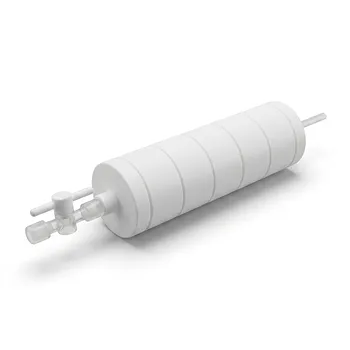
- Custom PTFE Filtration System Acid Resistant High Purity Semiconductor Grade Chemical Processing Filter
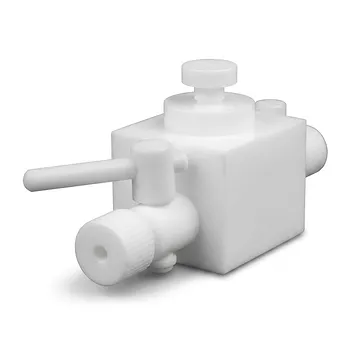
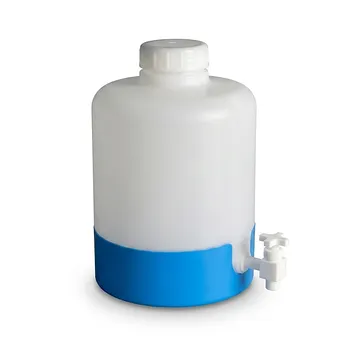
- High Corrosion Resistant PTFE Faucet Polytetrafluoroethylene Valve for Chemical Storage Drums and Fluid Transfer Systems Customizable Industrial Grade
- PTFE PFA Vacuum Filtration System Corrosion Resistant Customizable Shatterproof Laboratory Device
- PTFE Corrosion Resistant Filter with PFA Valve Connections and Integrated Sieve Plate
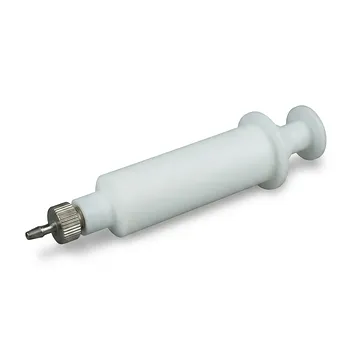
- High Temperature Chemical Resistant 50ml PTFE Syringe Customized Teflon Injector with Threaded Seal for Trace Analysis
People Also Ask
- What makes PTFE filtration systems advantageous for industrial and scientific use? Unmatched Chemical & Thermal Stability
- What sizes and pore options are available for PTFE filters? Choose the Right Filter for Your Application
- What steps are involved in selecting the proper PTFE filter? A 4-Step Guide to Optimal Filtration
- What temperature resistance do PTFE filters offer? Unmatched Thermal Stability from -200°C to +260°C
- How does the hydrophobicity of PTFE filters benefit their use? Ensure Uninterrupted Gas Flow and Solvent Filtration