The primary sealing mechanism of a PTFE gasket is stress-induced plastic deformation. When bolt preload applies compressive stress—typically between 10 and 50 MPa—the PTFE material flows plastically into the microscopic and macroscopic irregularities of the flange faces. This flow fills machining marks, scratches, and pits to create a continuous, high-pressure barrier that blocks potential leak paths.
Core Takeaway: PTFE gaskets create a seal by physically deforming under pressure to "mold" into the flange surface, maintaining a contact stress level that must remain higher than the internal fluid pressure of the system.
The Mechanics of Stress-Induced Deformation
How Compressive Stress Creates the Seal
Upon tightening the flange bolts, the resulting load exerts massive pressure on the gasket surface. Unlike elastomeric materials that rely on "spring-back" (elasticity), PTFE undergoes plastic flow to achieve its initial seal. This movement ensures that the material occupies every void between the flange faces, creating a positive, physical barrier.
Filling the Micro-Asperities
Metal flange surfaces, while appearing smooth, are covered in micro-asperities or tiny peaks and valleys. The viscoelastic response of PTFE allows it to conform to these irregularities at a molecular level. By filling these microscopic gaps, the gasket eliminates the "wicking" paths that gases or thin liquids might otherwise exploit.
The Threshold of Contact Pressure
For a seal to remain effective, the contact pressure between the PTFE and the flange must exceed the internal pressure of the media. If the system pressure rises above the gasket’s contact stress, the media will force its way through the interface. Proper installation ensures the initial "interference" is high enough to handle these operational fluctuations.
Enhancing the Seal in Pressurized Systems
The Self-Energizing Effect
In many flanged joints, the internal media pressure can actually assist the sealing process. As pressure increases, it forces the PTFE material more tightly against the downstream side of the seating surface. This self-energizing behavior increases the localized contact stress in direct proportion to the system pressure.
The Role of Material Lubricity
PTFE is prized for its low coefficient of friction and non-stick properties. In valve seats and moving connections, this allows the seal to maintain integrity without seizing or sticking to the metal hardware. This lubricity also helps the material "slide" into surface defects during the initial compression phase.
Structural Variations: Expanded PTFE (ePTFE)
Standard PTFE is highly dense, but expanded PTFE (ePTFE) utilizes a porous, fibrous structure. Under compression, these fibers collapse and undergo intense plastic deformation with lower force than solid PTFE. This makes ePTFE particularly effective for fragile flanges (like glass-lined steel) where high bolt loads could cause damage.
Understanding the Trade-offs: Cold Flow and Creep
The Reality of Plastic Deformation
The same "plastic flow" that creates the seal is also PTFE's greatest weakness, often referred to as cold flow. Because the material flows under stress, it can continue to move away from the sealing area over time, especially at elevated temperatures. This process, known as creep, can lead to a gradual loss of bolt preload and eventual leakage.
Limitations in Elastic Recovery
PTFE has significantly lower elastic recovery than rubber or elastomers. If a flange joint undergoes significant thermal cycling or vibration, the PTFE may not "bounce back" to fill the resulting gaps. This necessitates specific engineering considerations, such as the use of spring-energized seals or highly controlled tightening procedures.
How to Apply This to Your Project
When selecting or installing PTFE gaskets, your approach should vary based on the specific requirements of your piping system.
- If your primary focus is high-pressure chemical resistance: Use solid PTFE gaskets and ensure your bolt torque calculations provide at least 25-50 MPa of stress to overcome the material’s resistance to flow.
- If your primary focus is sealing fragile or misaligned flanges: Opt for Expanded PTFE (ePTFE), as its porous structure deforms more easily at lower loads to accommodate surface irregularities.
- If your primary focus is long-term stability in thermal cycles: Consider filled PTFE (containing glass or carbon) or envelope gaskets to reduce "cold flow" and maintain constant contact pressure.
By understanding that PTFE seals through flow rather than bounce, you can ensure a more reliable and durable flanged connection.
Summary Table:
| Key Sealing Aspect | Mechanism Description | Operational Benefit |
|---|---|---|
| Primary Mechanism | Stress-induced plastic deformation | Creates a continuous, high-pressure physical barrier. |
| Surface Interaction | Filling micro-asperities | Eliminates "wicking" paths by molding into flange peaks and valleys. |
| Pressure Logic | Contact stress > Internal pressure | Prevents media from forcing its way through the interface. |
| Material Variant | Expanded PTFE (ePTFE) | Allows sealing at lower bolt loads, ideal for fragile flanges. |
| Critical Factor | Cold flow and creep | Material flows over time; requires precise torque and material selection. |
Achieve Unrivaled Sealing and Lab Precision with KINTEK
Ensure your high-pressure systems and sensitive experiments are backed by the industry's finest fluoropolymer engineering. At KINTEK, we specialize exclusively in high-performance PTFE and PFA laboratory supplies, delivering the chemical resistance and seal integrity your work demands.
Our extensive portfolio covers everything your lab needs:
- Essential Labware: High-purity beakers, crucibles, reagent bottles, and digestion tubes.
- Fluid Management: Precision tubing, fittings, valves, and comprehensive transfer components.
- Sample Prep & Filtration: Separatory funnels, filters, pipettes, and specialized tweezers.
- Advanced Apparatus: Custom electrochemical cells, battery testing fixtures, and microwave digestion vessels.
From everyday consumables like stirring bars and O-rings to bespoke CNC-fabricated non-standard parts, KINTEK is your end-to-end partner for high-volume orders and complex custom setups.
Ready to upgrade your laboratory’s performance? Contact our experts today to discuss your project requirements!
Related Products
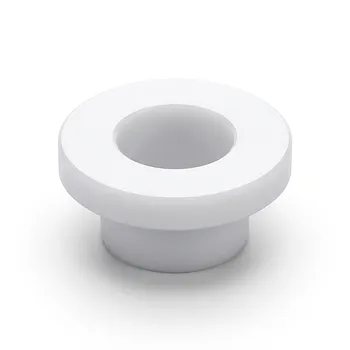
- Customizable High Temperature Resistant Anti Static PTFE Insulating Gaskets Flame Retardant Corrosion Proof Industrial Seals
- Custom PTFE Insulating Gaskets Corrosion Resistant Teflon Seals Tailored Engineering Plastic Components
- Custom PTFE Insulating Gaskets and Corrosion Resistant Fluoropolymer Seals for Industrial Electrical Applications
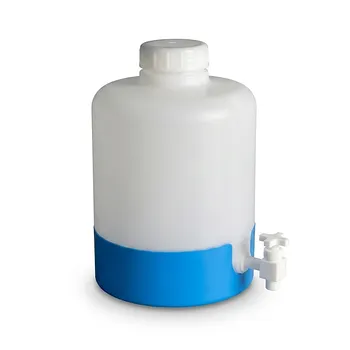
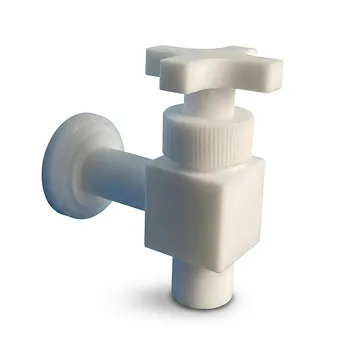
- High Corrosion Resistant PTFE Faucet Polytetrafluoroethylene Valve for Chemical Storage Drums and Fluid Transfer Systems Customizable Industrial Grade
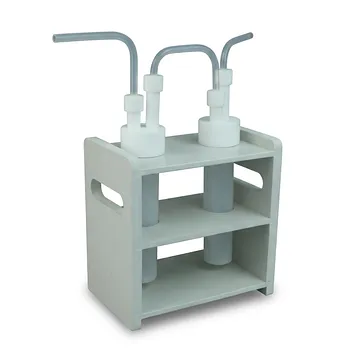
- Custom PTFE Acid Resistant Support Rack Multi Hole PFA Hydrogen Absorption System Bracket
People Also Ask
- Why is PTFE an ideal material choice for sealing gaskets, valves, and fluid transfer tubing exposed to extremely aggressive chemicals? Discover Its Superior Chemical Resistance and Reliability
- How is PTFE utilized in seals and gaskets? Leverage Its Chemical & Temperature Resistance
- What are the key properties of PTFE that make it suitable for seals and gaskets? Unlock Superior Sealing Performance
- What industries benefit from PTFE gaskets due to their FDA compliance? Ensure Product Purity and Safety
- What are the limitations of PTFE gaskets in high-pressure applications? Overcoming Cold Flow & Creep Issues