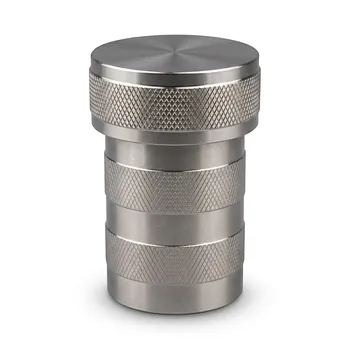
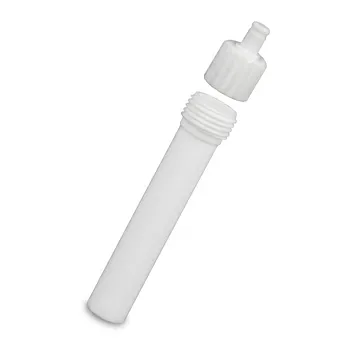
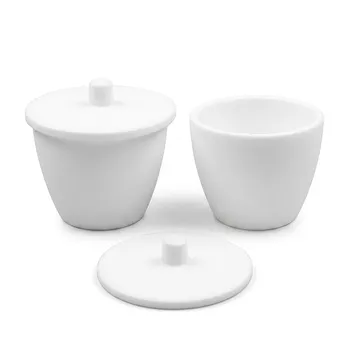
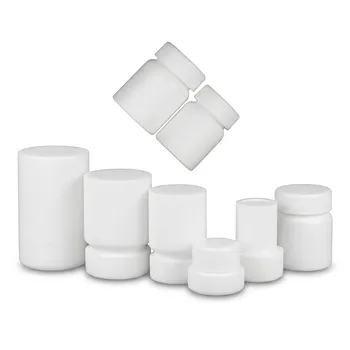
The primary role of a Teflon-lined autoclave is to create a controlled, high-pressure, and high-temperature environment that facilitates the crystallization of TiO2/ZnO nanostructures.
By sealing the precursor solution, the autoclave allows the internal pressure to rise as the temperature increases, far exceeding atmospheric levels. This specific environment promotes the dissolution and recrystallization of precursor molecules, which is essential for growing catalysts with high crystallinity and the regular morphology required for superior photocatalytic activity.
The Teflon-lined autoclave functions as a specialized chemical reactor that drives the synthesis of advanced nanomaterials by combining the mechanical strength of a pressure vessel with the chemical inertness of a polymer liner to ensure material purity.
The Mechanics of the Hydrothermal Environment
Facilitating Dissolution and Recrystallization
The sealed nature of the autoclave creates autogenous pressure as the liquid precursors are heated. This pressure forces the precursors into a state where they can dissolve more effectively than at boiling point under normal conditions. Once dissolved, the molecules undergo a structured recrystallization process, allowing for the growth of well-defined TiO2 and ZnO crystal lattices.
Achieving High Crystallinity
High crystallinity is a prerequisite for effective photocatalysis, as it reduces electron-hole recombination centers. The autoclave maintains stable, elevated temperatures (often between 150°C and 240°C) over extended periods. This sustained energy allows atoms to arrange themselves into the most thermodynamically stable and ordered structures.
Controlling Nanostructure Morphology
The hydrothermal method allows researchers to manipulate the shape and size of the TiO2/ZnO particles. By controlling the temperature and pressure within the autoclave, the growth rates of different crystal facets can be tuned. This results in regular morphologies, such as nanosheets or nanorods, which provide the high surface area necessary for light absorption.
The Functional Necessity of the Teflon Liner
Chemical Inertness and Corrosion Resistance
The Teflon (PTFE) liner is chosen for its exceptional resistance to aggressive chemicals. Hydrothermal synthesis often involves strong acids (like hydrofluoric acid for doping) or strong bases (like concentrated sodium hydroxide). Teflon protects the outer metal shell of the autoclave from these corrosive fluids, preventing vessel failure.
Preventing Metal Impurity Contamination
Without the liner, the reaction liquid would come into direct contact with the stainless steel walls of the autoclave. This contact would likely leach metal ions (such as iron, chromium, or nickel) into the precursor solution. The Teflon liner acts as a barrier, ensuring the final TiO2/ZnO catalyst remains pure and its electronic properties are not compromised by unintentional doping.
Mechanical Support vs. Chemical Protection
The system relies on a division of labor between two materials. The stainless steel outer casing provides the mechanical strength to withstand high internal pressures. The Teflon liner provides the chemical environment necessary for the reaction to proceed without interference.
Understanding the Technical Constraints
Temperature Limitations
While Teflon is highly inert, it has a physical thermal ceiling, typically around 240°C to 250°C. Exceeding these temperatures can cause the liner to soften or deform, potentially compromising the seal or releasing fluorinated vapors. For reactions requiring higher temperatures, alternative liners like PPL (polyphenylene polymers) or quartz must be considered.
Pressure Risks and Filling Ratios
The pressure inside the autoclave is sensitive to the filling ratio of the liquid precursors. If the vessel is overfilled, the expansion of the liquid at high temperatures can lead to a dangerous spike in pressure that exceeds the safety rating of the steel casing. Standard practice usually limits the fill volume to 60–80% of the total capacity.
How to Apply This to Your Synthesis Goals
Maximizing Synthesis Efficiency
- If your primary focus is high purity: Ensure the Teflon liner is thoroughly cleaned with dilute acid between runs to remove any residual ions trapped in the polymer pores.
- If your primary focus is morphological control: Maintain strict control over the aging time and temperature ramp rates, as these parameters dictate how the precursors recrystallize within the high-pressure environment.
- If your primary focus is catalyst doping: Utilize the chemical resistance of the Teflon liner to safely introduce doping agents like hydrofluoric acid, which would otherwise destroy a standard metal reactor.
The Teflon-lined autoclave remains the gold standard for hydrothermal synthesis because it perfectly balances the need for extreme physical conditions with the requirement for a clean, non-reactive chemical environment.
Summary Table:
| Feature | Function in Synthesis | Key Benefit |
|---|---|---|
| High-Pressure Environment | Promotes dissolution & recrystallization | Achieves superior crystallinity |
| Teflon (PTFE) Liner | Provides chemical inertness & corrosion resistance | Ensures high-purity, metal-free catalysts |
| Temperature Control | Sustains stable heat (up to 240°C) | Facilitates regular morphology (nanorods/sheets) |
| Pressure Vessel Shell | Provides mechanical strength | Safely contains high autogenous pressures |
Optimize Your Nanomaterial Synthesis with KINTEK
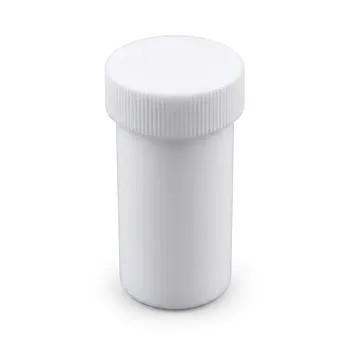
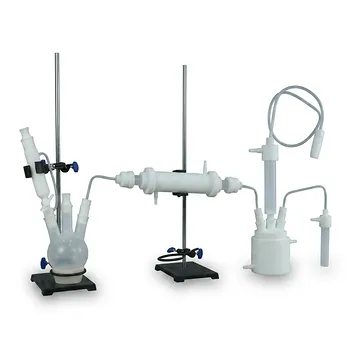
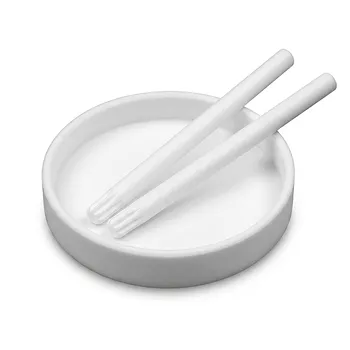
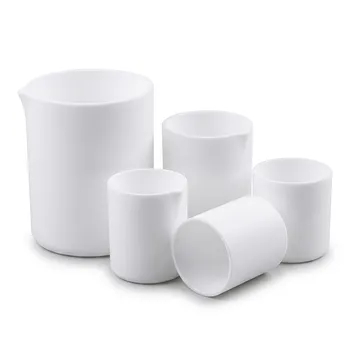
Precision in hydrothermal synthesis demands materials that can withstand extreme conditions without compromising purity. At KINTEK, we specialize in high-performance fluoropolymer solutions tailored for advanced laboratory environments. From standard PTFE/PFA labware (beakers, crucibles, reagent bottles) and sample prep tools (filtration units, pipettes, spatulas) to advanced reaction apparatus, we provide everything you need for success.
Our expertise includes:
- Hydrothermal synthesis liners and microwave digestion vessels designed for extreme chemical resistance.
- Custom CNC fabrication for non-standard machined parts and bespoke laboratory setups.
- Fluid transfer components (tubing, valves, fittings) and high-purity trace analysis instruments.
- General consumables like stirring bars, O-rings, and specialized gaskets.
Whether you are scaling up production or conducting sensitive trace analysis, KINTEK’s absolute focus on high-performance PTFE and PFA ensures your TiO2/ZnO catalysts remain free from contamination. Contact us today to discuss your custom laboratory requirements!
References
- Removal of Levofloxacin Antibiotic in Water by Photocatalysis using TiO2-Based Materials. DOI: 10.55373/mjchem.v27i4.1
This article is also based on technical information from Kintek Knowledge Base .
Related Products
- Custom TFM Reaction Vessel with Stainless Steel Jacket and PTFE Inner Cup for High Corrosion Resistance
- High Temperature Corrosion Resistant Hydrothermal Synthesis Reactor with TFM Inner Liner and Straight Cylinder Design
- High Purity PTFE Microwave Digestion Vessel Replacement Liner for Acid Sample Preparation and Trace Analysis
- PTFE Lined High Pressure Digestion Vessel 50ml High Temperature Hydrothermal Synthesis Tank
- High Purity Corrosion Resistant Teflon Crucible Low Background Laboratory PTFE Vessel for Trace Analysis and Acid Digestion
People Also Ask
- Why are high-performance pressure-resistant reaction vessels required for oxygen-assisted hydrothermal conversion at 150 °C?
- Why are high-quality fluoropolymer-lined reaction vessels required for alk-Ti3C2Tx MXene? Ensure Purity & HF Resistance
- How do magnetic stirring and reaction vessels impact MOF-derived carbon quality? Optimize Your Composite Performance
- Why are PTFE-lined reaction vessels necessary for forced degradation studies? Ensure high-purity results and accuracy.
- Why is a high-purity PTFE lined reaction vessel required for the acidic etching of MXenes? Ensure Material Purity.