The standard operational temperature range for PTFE laboratoryware is -200 °C to +260 °C. This exceptional thermal window allows the material to remain functional from the depths of cryogenic storage to the high-heat requirements of intensive chemical synthesis.
PTFE (Polytetrafluoroethylene) provides a unique combination of thermal stability and chemical inertness, maintaining its mechanical integrity even when subjected to rapid temperature cycling. While it can withstand temperatures near absolute zero without becoming brittle, its maximum continuous service limit is strictly capped at 260 °C.
Performance at Thermal Extremes
Exceptional Cryogenic Resilience
Unlike many plastics that become glass-brittle in extreme cold, PTFE remains flexible at cryogenic temperatures. It can operate reliably at -200 °C and has been documented to maintain integrity as low as -269 °C (near liquid-helium levels).
This makes PTFE containers ideal for the storage of biological samples or reagents in liquid nitrogen. The material's unique molecular structure prevents the cracking often seen in standard polypropylene or glass when subjected to sudden thermal shock.
High-Heat Stability and Limits
For high-temperature applications, PTFE is rated for continuous use at +260 °C. It maintains its chemical resistance throughout this entire heating curve, supporting tasks like high-temperature solvent evaporation and acid digestions.
While the material has a melting point of approximately 327 °C, it begins to soften and lose structural rigidity well before that point. It is critical to differentiate between "short-term exposure" and "continuous service" to avoid vessel deformation.
Compatibility with Sterilization Protocols
Autoclaving and Steam Sterilization
PTFE is perfectly suited for standard autoclaving at 121 °C. Because this temperature falls in the middle of its operational range, the material experiences negligible stress during the cycle.
Repeated autoclaving does not degrade the material's non-stick properties or chemical resistance. This longevity makes it a cost-effective choice for environments requiring frequent sterilization.
Dry Heat and Specialized Cleaning
For labs requiring higher levels of decontamination, PTFE supports dry heat sterilization at 160 °C. It is also compatible with aggressive chemical sterilization using concentrated acids or bases.
The material's thermal ceiling allows it to be used in specialized ovens for drying precipitates. However, users must ensure the oven's temperature control is precise to avoid approaching the 260 °C limit.
Understanding the Trade-offs
Mechanical Deformation (Creep)
The primary limitation of PTFE is "cold flow" or creep, where the material deforms under a constant load. This effect is significantly accelerated as temperatures rise toward the +260 °C limit.
If a PTFE vessel is pressurized or tightly clamped at high temperatures, it may permanently lose its original shape. For high-pressure applications at high heat, PTFE is often used as a liner inside a stainless steel jacket.
Thermal Expansion and Off-gassing
PTFE has a high coefficient of thermal expansion, meaning it will expand noticeably when heated. Precision-fit components, like stoppers or lids, may become difficult to remove or lose their seal if the temperature fluctuates significantly.
Furthermore, while PTFE is stable at 260 °C, heating it significantly above this point can cause the release of toxic polymer fumes. Proper ventilation is mandatory if there is any risk of the material approaching its melting point.
How to Apply This to Your Project
- If your primary focus is cryogenic storage: Use PTFE for liquid nitrogen applications where other plastics might crack or shatter upon impact.
- If your primary focus is high-temperature synthesis: Ensure your heat source is regulated to stay below 260 °C to prevent vessel deformation or "cold flow."
- If your primary focus is routine sterilization: Utilize autoclaving (121 °C) or dry heat (160 °C) with total confidence, as these are well within the material's safety margins.
- If your primary focus is high-pressure reactions: Use a PTFE-lined metal reactor to provide the necessary structural support that pure PTFE lacks at elevated temperatures.
By respecting the 260 °C ceiling and accounting for thermal expansion, you can leverage PTFE’s near-universal chemical resistance across almost any laboratory environment.
Summary Table:
| Condition | Temperature Range | Performance Insights |
|---|---|---|
| Standard Operational Range | -200°C to +260°C | Maintains integrity from cryogenic to high-heat environments. |
| Cryogenic Storage | Down to -200°C | Remains flexible; ideal for liquid nitrogen storage. |
| Autoclaving | 121°C (Standard) | Fully compatible; repeated cycles do not degrade material. |
| Dry Heat Sterilization | Up to 160°C | Safe for specialized cleaning and decontamination. |
| Continuous Service Limit | +260°C | Maximum temperature for maintaining structural rigidity. |
| Melting Point | ~327°C | Material softens and releases toxic fumes; avoid this range. |
Maximize Your Lab’s Performance with KINTEK Fluoropolymers
Elevate your research precision with KINTEK’s high-performance PTFE and PFA solutions. Whether you require everyday basic labware (beakers, measuring cylinders, crucibles, reagent bottles, and digestion tubes) or high-purity trace analysis instruments, we deliver the thermal resilience your projects demand.
From comprehensive fluid transfer components (tubing, fittings, valves) and sample prep tools (filters, pipettes, tweezers) to general consumables (stirring bars, O-rings, seal tapes), our expertise extends to advanced derivative apparatus like custom electrochemical cells, battery testing fixtures, and microwave digestion vessels.
Backed by end-to-end custom CNC fabrication, KINTEK is equipped to deliver everything from complex non-standard machined parts to high-volume orders with an absolute focus on high-performance materials. Don’t let thermal limits compromise your results—contact our experts today to find the perfect fit for your laboratory!
Related Products
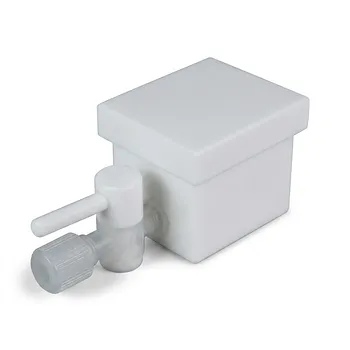
- Custom PTFE Laboratory Apparatus Corrosion Resistant Low Background Reaction Cells Precision CNC Fabrication
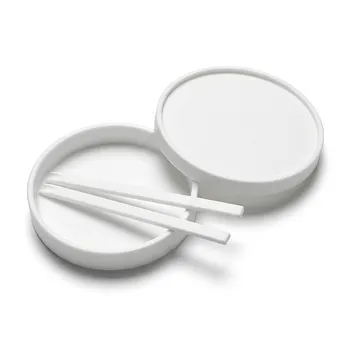
- Custom Polytetrafluoroethylene PTFE Petri Dishes 60mm Corrosion Resistant Low Background Labware
- Custom PTFE Petri Dish 30mm Corrosion Resistant Low Background Non Leaching Laboratory Ware
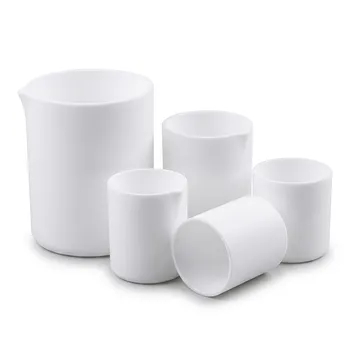
- Large Scale PTFE Beakers and Flasks for High Temperature Corrosion Resistant Laboratory Applications with Custom CNC Fabrication
- Custom PTFE Petri Dishes Corrosion Resistant High Purity Low Background Labware
People Also Ask
- How does PTFE's melting behavior affect custom lab apparatus? Key insights for manufacturing.
- What are the primary fabrication methods for PTFE laboratory apparatus? Expert Insights into Fluoropolymer Engineering
- What is the chemical compatibility range for PTFE laboratory apparatus? Explore Near-Universal Chemical Resistance.
- What are the primary chemical resistance properties of PTFE laboratory apparatus? Unmatched Purity and Inertness
- Why use PTFE or PFA for modified Cu-MOF synthesis? Ensure High Purity and Exceptional Chemical Stability