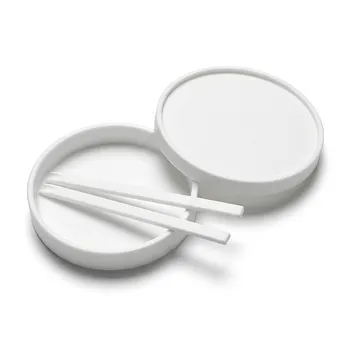
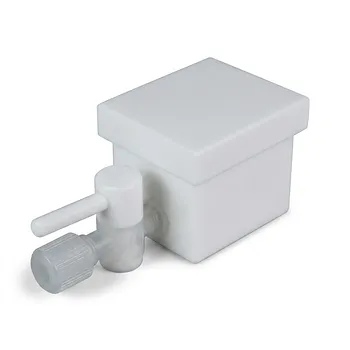
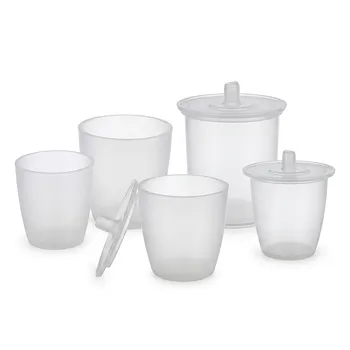
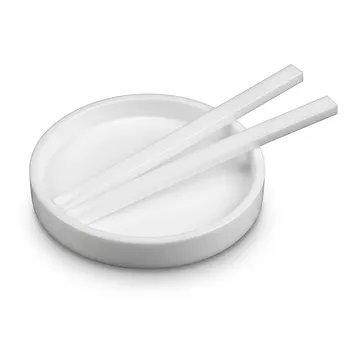
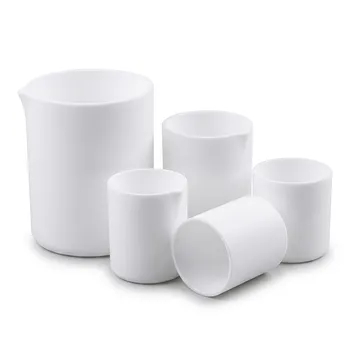
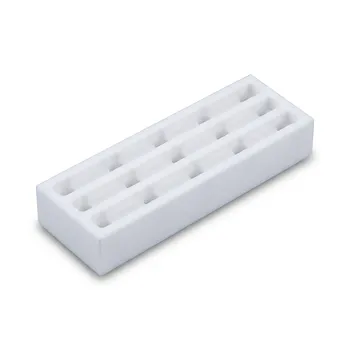
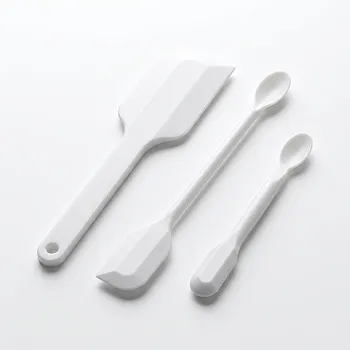
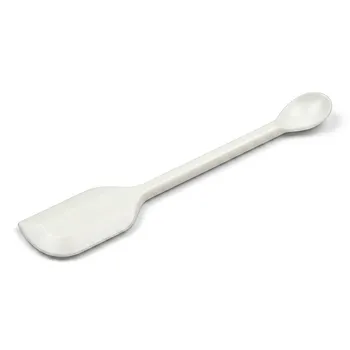
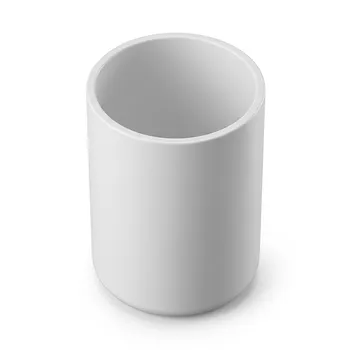
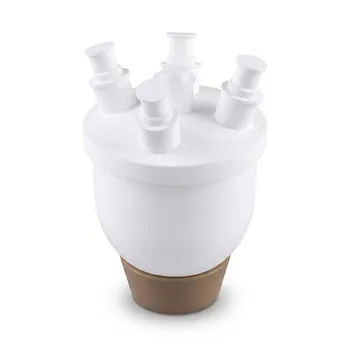
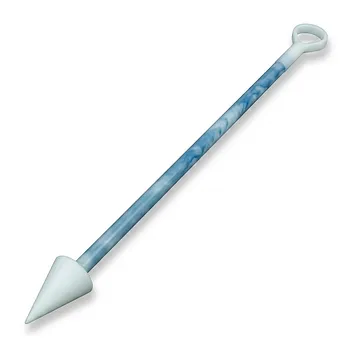
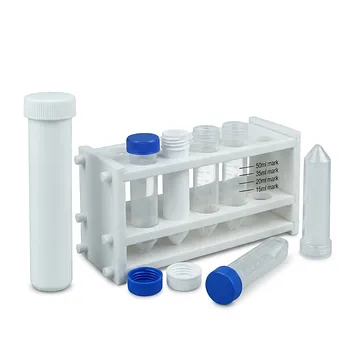
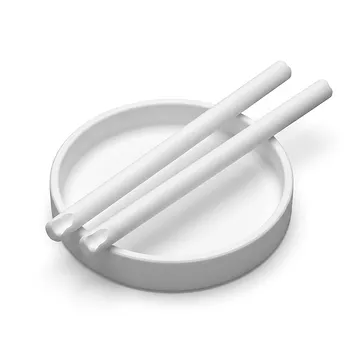
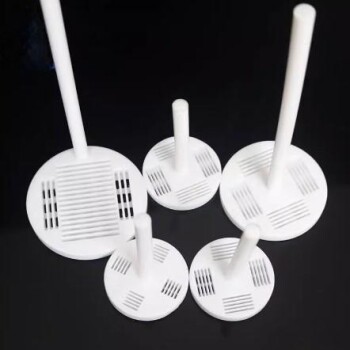
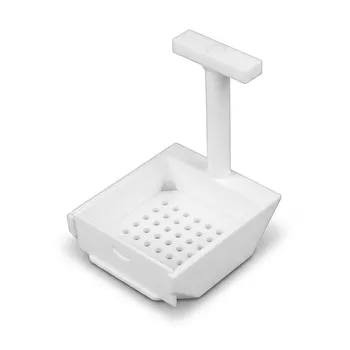
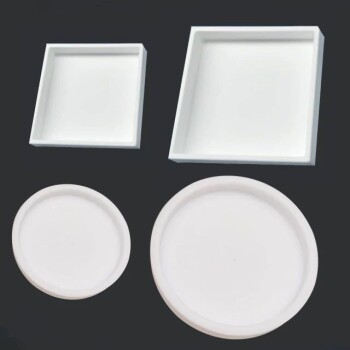
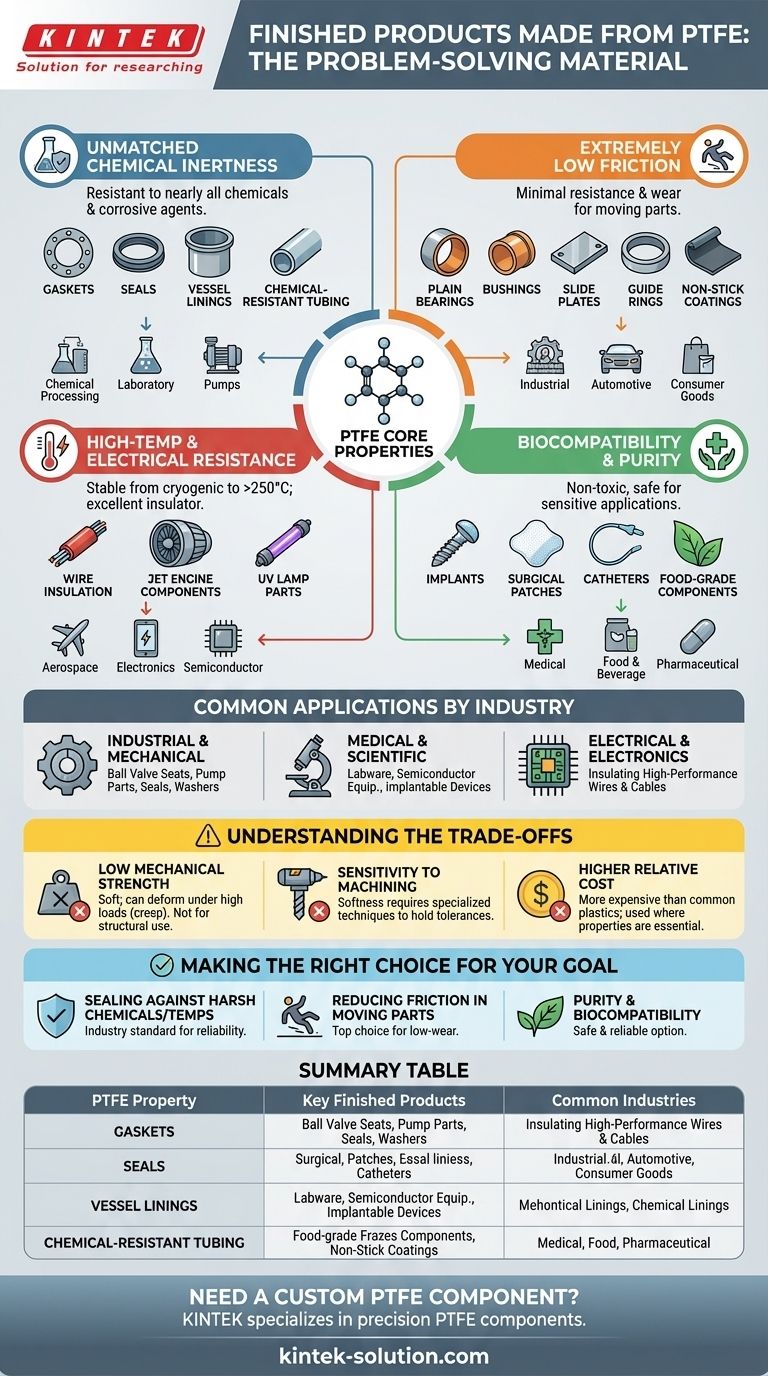
In short, Polytetrafluoroethylene (PTFE) is used to manufacture a vast range of finished products, most notably high-performance seals, gaskets, rings, bearings, and bushings. Its unique properties also make it essential for creating chemically resistant labware, electrical insulators, medical implants, non-stick coatings, and critical components for the chemical, food, and semiconductor industries.
The key takeaway is not the long list of products, but the reason behind it: PTFE is a problem-solving material. Its applications are dictated by its three core properties—near-total chemical inertness, an extremely low coefficient of friction, and high-temperature resistance—making it the default choice for components that must perform in harsh environments where other materials would fail.
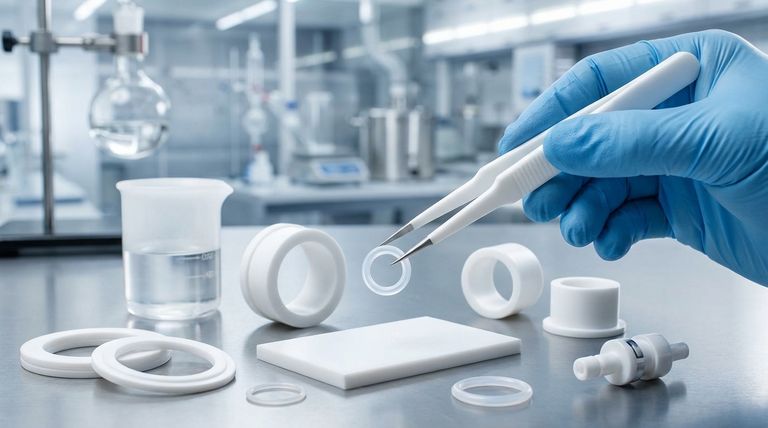
Why PTFE is So Versatile: The Core Properties
The value of PTFE comes from a unique combination of characteristics that are difficult to find in any other single polymer. Understanding these properties explains why its applications are so diverse.
Unmatched Chemical Inertness
PTFE is resistant to nearly all chemicals, solvents, and corrosive agents. This makes it an invaluable material for any application involving aggressive substances.
Finished products derived from this property include gaskets, seals, vessel linings, and chemical-resistant tubing. These components ensure system integrity in chemical processing plants, laboratories, and pumps.
Extremely Low Friction
Often cited as one of the most slippery materials in existence, PTFE has an exceptionally low coefficient of friction. This allows moving parts to operate with minimal resistance and wear.
This property is the reason PTFE is used for plain bearings, bushings, slide plates, and guide rings. It is also the principle behind its most famous consumer application: non-stick coatings for cookware.
High-Temperature and Electrical Resistance
PTFE maintains its stability and integrity across a wide temperature range, from cryogenic conditions to over 250°C (500°F). It is also an excellent electrical insulator.
This makes it ideal for high-performance electrical wire insulation, components in high-temperature equipment like jet engines, and parts for scientific apparatus like UV lamps.
Biocompatibility and Purity
PTFE is non-toxic and biocompatible, meaning it does not react with biological tissue. This, combined with its purity, makes it safe for sensitive applications.
In the medical field, it is used for implants, surgical patches, and components like catheters. In the food and beverage industry, it’s used for conveyor belts, manifolds, and other parts that require food-grade purity.
Common Applications by Industry
While the properties dictate the function, it's often useful to see where these products are deployed. PTFE is a critical material in nearly every advanced industry.
Industrial and Mechanical Engineering
This is PTFE's largest market. It is the backbone of fluid handling and mechanical systems, with products like ball valve seats, pump parts, seals, and washers being standard components.
Medical and Scientific
The material's inertness and biocompatibility are critical for scientific and medical devices. You will find it in labware, semiconductor equipment, and a wide array of implantable devices.
Electrical and Electronics
As a superior insulator with high thermal stability, PTFE is used for insulating high-performance wires and cables, especially in aerospace and computing where reliability is non-negotiable.
Understanding the Trade-offs
No material is perfect, and objectivity requires acknowledging a material's limitations. PTFE's unique strengths come with specific weaknesses.
Low Mechanical Strength
PTFE is a relatively soft material. It is not suitable for structural applications and can deform under high loads, a phenomenon known as "creep." This is why it is often used as a liner or coating rather than a standalone structural part.
Sensitivity to Machining
While machined PTFE parts can hold tight tolerances, the material's softness requires specialized techniques. It can be more challenging to machine than harder plastics or metals.
Higher Relative Cost
PTFE is a high-performance polymer, and its cost reflects that. It is more expensive than common plastics like polyethylene or polypropylene, so its use is typically reserved for applications where its specific properties are essential.
Making the Right Choice for Your Goal
Selecting PTFE is a decision driven by the operational demands of the finished product. Your primary goal will determine if it is the correct choice.
- If your primary focus is sealing against harsh chemicals or extreme temperatures: PTFE is an industry standard for gaskets, seals, rings, and linings where reliability is critical.
- If your primary focus is reducing friction in moving parts: Its low-friction surface makes it a top choice for bearings, bushings, and low-wear slide plates.
- If your primary focus is purity and biocompatibility: The material's inertness makes it a safe and reliable option for medical implants, food processing equipment, and semiconductor components.
Ultimately, PTFE is the material of choice when you need a component to survive and perform in an environment that would destroy lesser materials.
Summary Table:
| PTFE Property | Key Finished Products | Common Industries |
|---|---|---|
| Chemical Inertness | Seals, Gaskets, Vessel Linings, Tubing | Chemical Processing, Laboratory |
| Low Friction | Bearings, Bushings, Slide Plates, Non-stick Coatings | Industrial, Automotive, Consumer Goods |
| High-Temp & Electrical Resistance | Wire Insulation, Jet Engine Components, UV Lamp Parts | Aerospace, Electronics, Semiconductor |
| Biocompatibility & Purity | Medical Implants, Surgical Patches, Food-Grade Components | Medical, Food & Beverage, Pharmaceutical |
Need a custom PTFE component that can withstand harsh environments? KINTEK specializes in manufacturing precision PTFE components—including seals, liners, and labware—for the semiconductor, medical, laboratory, and industrial sectors. We offer custom fabrication from prototypes to high-volume orders, ensuring your parts meet exact specifications for chemical resistance, low friction, and thermal stability. Contact us today to discuss your project requirements!
Visual Guide
Related Products
- Custom Polytetrafluoroethylene PTFE Petri Dishes 60mm Corrosion Resistant Low Background Labware
- Custom PTFE Laboratory Apparatus Corrosion Resistant Low Background Reaction Cells Precision CNC Fabrication
- Custom PTFE Petri Dishes Corrosion Resistant High Purity Low Background Labware
- High Purity PFA Crucible and Corrosion Resistant PTFE Beaker for Trace Analysis and Custom Laboratory Applications
- Custom PTFE Petri Dish 120mm Diameter Corrosion Resistant Low Background High Purity Labware
People Also Ask
- Why are PTFE or PFA Petri dishes preferred for membrane casting? Ensure Damage-Free Recovery & Chemical Purity
- What types of labware or tools are commonly made from PTFE? Essential Chemically-Resistant Equipment for Your Lab
- What are the considerations for choosing PTFE or glass for Bi2O3/CeO2 synthesis? Ensure Purity and Precision.
- What are the key properties of PTFE that make it suitable for labware applications? Ensure Lab Integrity with Superior Material
- What types of PTFE labware are commonly available? Find the Right Tools for Your Lab