The functional temperature range for PTFE gaskets in continuous service is −268°C to +260°C (−450°F to +500°F). While the material remains physically intact at higher temperatures, it begins to undergo gradual thermal decomposition once it exceeds the 260°C threshold. Its ability to retain compressive plasticity at temperatures approaching absolute zero makes it a premier choice for extreme cryogenic environments.
Core Takeaway: PTFE is a high-performance fluoropolymer that provides reliable sealing across a massive 528-degree Celsius span, provided the continuous operating temperature does not exceed 260°C to avoid material degradation.
Understanding the Upper Thermal Limits
The 260°C Continuous Service Ceiling
The 260°C limit is established because gradual decomposition begins the moment the material surpasses this temperature. While it can withstand brief "spikes" or short-term exposure to higher heat, long-term exposure will compromise the gasket's integrity.
Melting Point vs. Functional Performance
PTFE has a crystalline melting point of approximately 327°C (621°F), but you cannot use this as a service guide. Functional failure occurs well before the melting point due to the loss of mechanical properties and the initiation of pyrolysis, which accelerates rapidly above 400°C.
Thermal Expansion Considerations
As temperatures rise toward the 260°C limit, PTFE exhibits a high coefficient of thermal expansion. In flange applications, this expansion can lead to increased bolt load or, conversely, a loss of seal during thermal cycling if the hardware is not designed to compensate.
Cryogenic Capabilities and Low-End Performance
Resilience Near Absolute Zero
Unlike many elastomers that become brittle and shatter in extreme cold, PTFE retains compressive plasticity at temperatures as low as −268°C. This makes it an essential material for handling liquid helium and other cryogenic fluids.
Maintaining the Seal in Deep Cold
At cryogenic levels, the primary challenge is not material failure but thermal contraction. Because PTFE contracts more than the metal flanges it seals, specialized gasket designs (such as expanded PTFE) are often used to maintain the necessary seal stress.
Understanding the Trade-offs
The Challenge of Cold Flow (Creep)
The most significant limitation of virgin PTFE is cold flow, or creep, where the material deforms under a constant load. This effect is exacerbated at the higher end of the temperature range, potentially leading to a loss of seal over time.
Influence of Fillers on Temperature Ratings
To combat creep, manufacturers often add fillers like glass fiber, carbon, or bronze. While these fillers improve mechanical stability, they can sometimes narrow the chemical resistance or slightly alter the thermal conductivity of the gasket.
Environmental Health and Safety
When PTFE is heated above its decomposition point, it can release toxic fumes (a phenomenon sometimes called polymer fume fever). Ensuring that your process stays strictly within the 260°C continuous service range is a safety requirement as much as a mechanical one.
Making the Right Choice for Your Goal
To ensure a successful installation, evaluate your specific application needs against the material's thermal profile.
- If your primary focus is maximum heat resistance: Maintain a strict continuous operating limit of 260°C and consider reinforced (filled) PTFE to minimize deformation.
- If your primary focus is cryogenic sealing: Utilize PTFE for temperatures down to -268°C, but ensure the flange assembly can accommodate the material’s high contraction rate.
- If your primary focus is high-pressure cycling: Opt for expanded PTFE (ePTFE), which offers better resistance to creep and cold flow than standard virgin PTFE at elevated temperatures.
By respecting the 260°C upper limit, you ensure the long-term chemical and physical integrity of the seal in even the most demanding industrial environments.
Summary Table:
| Metric/Feature | Performance Detail |
|---|---|
| Continuous Service Range | -268°C to +260°C (-450°F to +500°F) |
| Crystalline Melting Point | ~327°C (621°F) |
| Decomposition Threshold | Above 260°C (500°F) |
| Cryogenic Property | Maintains compressive plasticity near absolute zero |
| Primary Mechanical Constraint | Cold flow (creep) at elevated temperatures |
| Material Compatibility | High-performance virgin or filled PTFE |
Optimize Your Lab Performance with KINTEK Fluoropolymer Expertise
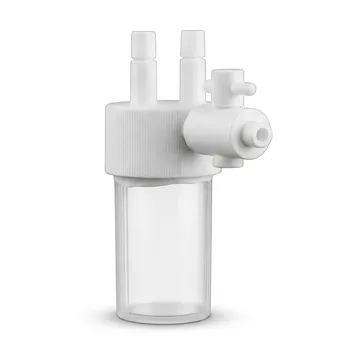
Whether you require everyday basic labware like beakers, centrifuge tubes, and gaskets, or advanced reaction apparatus such as electrochemical cells and microwave digestion vessels, KINTEK provides high-performance PTFE and PFA solutions tailored to your thermal requirements.
Our exclusive focus on high-performance fluoropolymers ensures your seals and setups—from fluid transfer components and filtration tools to custom CNC-fabricated non-standard parts—withstand the most demanding industrial environments. Contact us today to discuss your bespoke laboratory needs and leverage our end-to-end manufacturing precision for high-purity trace analysis and complex reaction setups.
Related Products
- Customizable High Temperature Resistant Anti Static PTFE Insulating Gaskets Flame Retardant Corrosion Proof Industrial Seals
- Custom PTFE Insulating Gaskets Corrosion Resistant Teflon Seals Tailored Engineering Plastic Components
- Custom PTFE Insulating Gaskets and Corrosion Resistant Fluoropolymer Seals for Industrial Electrical Applications
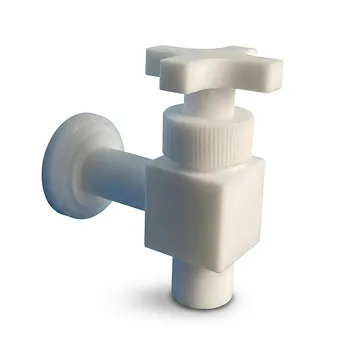
- High Corrosion Resistant PTFE Faucet Polytetrafluoroethylene Valve for Chemical Storage Drums and Fluid Transfer Systems Customizable Industrial Grade
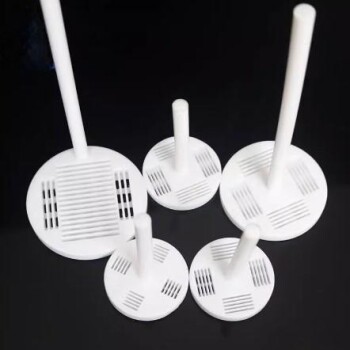
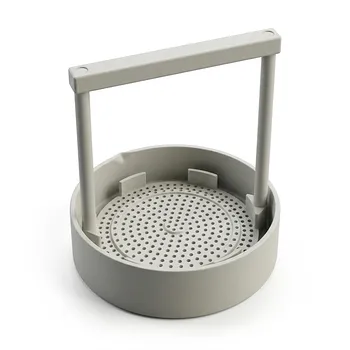
- Custom PTFE Acid Resistant Support Rack Multi Hole PFA Hydrogen Absorption System Bracket
People Also Ask
- Why is PTFE an ideal material choice for sealing gaskets, valves, and fluid transfer tubing exposed to extremely aggressive chemicals? Discover Its Superior Chemical Resistance and Reliability
- How is PTFE utilized in seals and gaskets? Leverage Its Chemical & Temperature Resistance
- What are the key properties of PTFE that make it suitable for seals and gaskets? Unlock Superior Sealing Performance
- What is PTFE commonly known as and why is it used for gaskets? | Superior Sealing Solutions
- What are the different types of PTFE gaskets available? Choose the Right Seal for Your Application