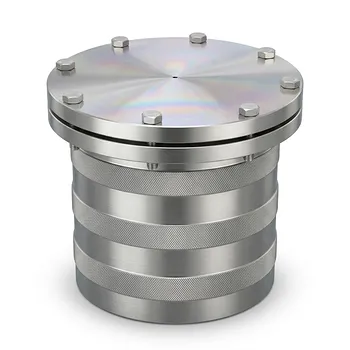
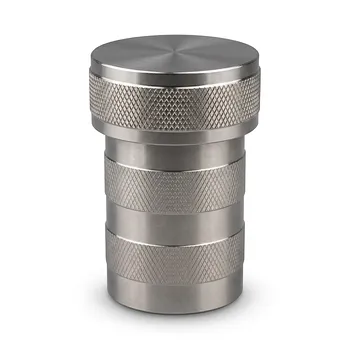
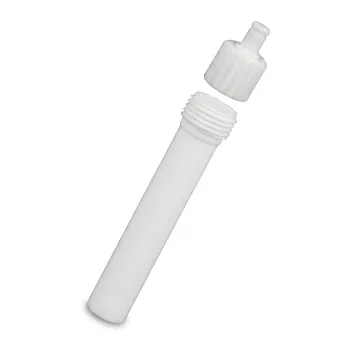
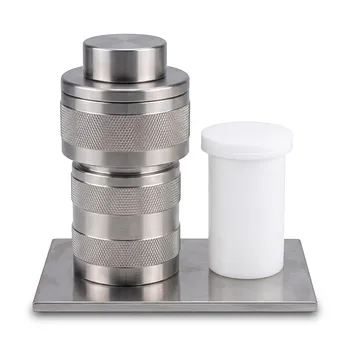
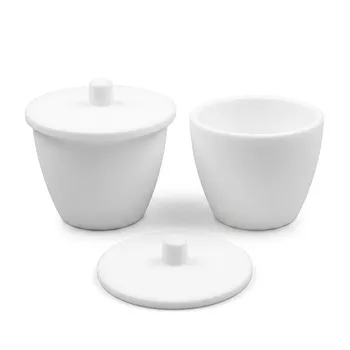
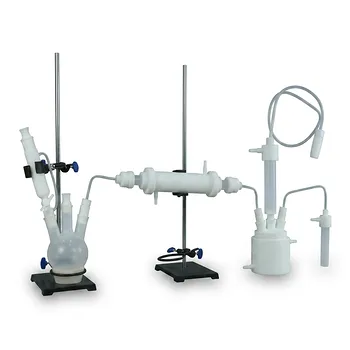
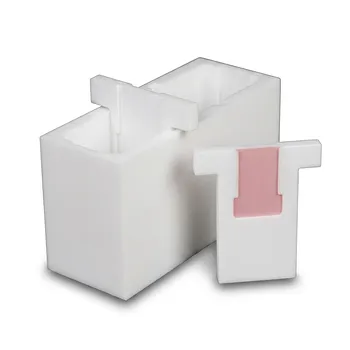
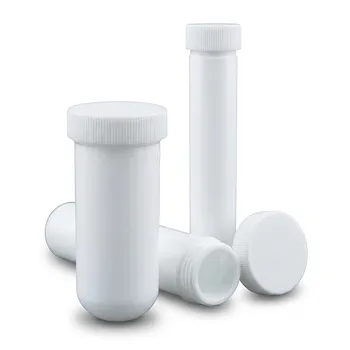
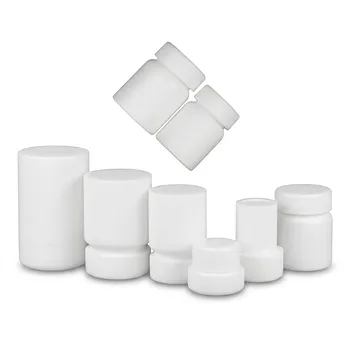
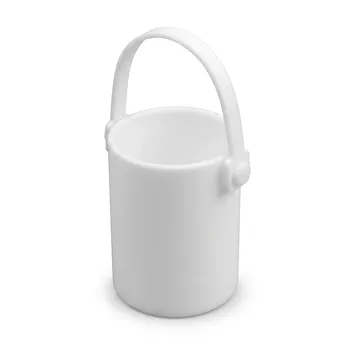
The Teflon-lined autoclave serves as the critical reaction vessel for creating nano-island structured catalysts. It provides a sealed, high-temperature (150°C), and high-pressure environment for a duration of 20 hours, enabling the solvothermal reaction of zinc acetate and cobalt acetate precursors in ethanol. This controlled environment is the fundamental requirement for anchoring cobalt single atoms onto zinc oxide nanoparticles to form the distinct "island-sea" structure.
The Teflon-lined autoclave facilitates solvothermal synthesis by providing a chemically inert, high-pressure environment that allows precursors to react and crystallize into precise nano-island structures. This configuration ensures high purity by preventing the reaction solution from interacting with the vessel's metal walls.
Facilitating the Solvothermal Environment
Maintaining Extreme Reaction Conditions
The autoclave is designed to maintain a sealed environment that can withstand temperatures of 150°C and the resulting high internal pressures. These conditions are necessary to drive the chemical reactions between zinc and cobalt precursors that would not occur at atmospheric pressure.
Promoting Dissolution and Recrystallization
The high-pressure environment inside the vessel accelerates reaction kinetics, promoting the dissolution of precursor molecules in ethanol. As the reaction progresses over 20 hours, it facilitates the organized recrystallization of these molecules into the desired catalyst morphology.
Enabling the Island-Sea Structure
The specific thermodynamics of the pressurized autoclave allow cobalt single atoms to become stably anchored onto the surface of zinc oxide nanoparticles. This process is what creates the "nano-island" structure, which is essential for the catalyst's performance.
Ensuring Chemical Purity and Resistance
The Role of the Teflon (PTFE) Liner
While the external stainless steel shell provides mechanical strength, the internal Teflon (PTFE) liner offers superior chemical inertness. This liner acts as a barrier that prevents the reaction fluid—often containing corrosive precursors or solvents—from attacking the metal walls of the autoclave.
Prevention of Metal Ion Contamination
By isolating the reaction from the stainless steel shell, the Teflon liner ensures that no foreign metal impurities are introduced into the catalyst. This is vital for maintaining the high purity and structural stability of the doped nano-island product.
Resilience Against Corrosive Precursors
In many catalyst syntheses, precursors or solvents can be highly acidic or alkaline. The corrosion resistance of the Teflon liner allows the device to handle these aggressive chemicals at high temperatures without degrading or altering the chemical composition of the catalyst.
Understanding the Trade-offs and Pitfalls
Temperature Limitations of PTFE
Standard Teflon liners have a maximum safe operating temperature, typically around 240°C to 250°C. Exceeding these limits can cause the liner to deform or release toxic fumes, potentially ruining the synthesis and damaging the equipment.
Pressure Risks and Safety
Because the autoclave operates as a sealed high-pressure system, improper sealing or overfilling can lead to dangerous pressure spikes. Users must strictly adhere to filling ratios (typically 60-80% of total volume) to ensure there is enough headspace for vapor expansion.
Heating and Cooling Rates
The thick walls of the stainless steel autoclave and the internal liner create thermal lag. Rapidly changing the external temperature may not immediately reflect inside the reaction chamber, which can affect the crystallinity and regularity of the nano-island structures if not accounted for.
How to Apply This to Your Synthesis Goal
Recommendations for Catalyst Development
- If your primary focus is maximizing catalyst purity: Ensure the Teflon liner is thoroughly cleaned with aqua regia or acid washes between uses to prevent cross-contamination of metal ions.
- If your primary focus is achieving a specific nano-island morphology: Maintain a strict 20-hour reaction time at a constant 150°C, as fluctuations in temperature directly impact the stability of the cobalt atoms on the zinc oxide surface.
- If your primary focus is scaling the reaction volume: Never exceed the recommended filling capacity of the Teflon liner to avoid unpredictable pressure increases that could compromise the "island-sea" formation.
The Teflon-lined autoclave is the indispensable tool that transforms simple precursors into complex, high-performance nano-island catalysts through controlled solvothermal chemistry.
Summary Table:
| Component | Key Function | Benefit |
|---|---|---|
| PTFE Liner | Chemical Inertness | Prevents metal ion contamination & resists corrosion |
| Steel Shell | Mechanical Strength | Withstands high internal pressure and temperatures (150°C+) |
| Sealed System | Solvothermal Environment | Facilitates dissolution, reaction, and recrystallization |
| Control | Reaction Stability | Enables precise "island-sea" nano-structure formation over 20h |
Elevate Your Catalyst Synthesis with KINTEK Precision
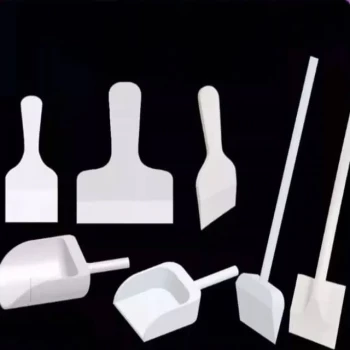
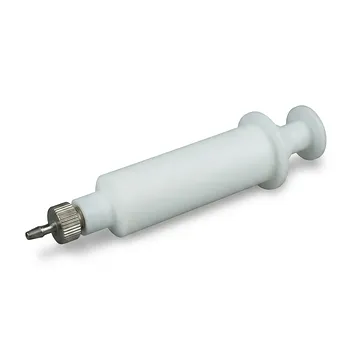
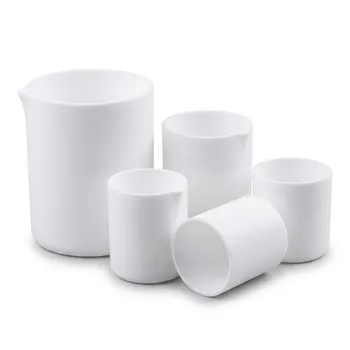
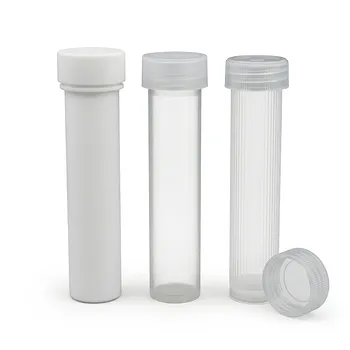
Achieve uncompromising purity and structural precision in your nano-island catalyst development with KINTEK’s high-performance fluoropolymer solutions. We provide everything from everyday basic labware—including beakers, reagent bottles, and digestion tubes—to advanced reaction apparatus like hydrothermal synthesis liners, microwave digestion vessels, and microchannel reactors.
Our exclusive focus on high-performance PTFE and PFA materials, backed by end-to-end custom CNC fabrication, ensures that we can deliver everything from high-volume standard orders to complex, non-standard machined parts tailored to your specific research setup. Whether you need fluid transfer components, sample prep tools, or custom electrochemical cells, KINTEK handles it all with absolute material integrity.
Ready to optimize your solvothermal processes and ensure high-purity results?
Contact KINTEK today to discuss your custom laboratory needs and discover how our fluoropolymer expertise can enhance your research outcomes.
References
- Zhiquan Zhang, Han‐Qing Yu. Nano-island-encapsulated cobalt single-atom catalysts for breaking activity-stability trade-off in Fenton-like reactions. DOI: 10.1038/s41467-024-55622-y
This article is also based on technical information from Kintek Knowledge Base .
Related Products
- Custom TFM Reaction Vessel with Stainless Steel Jacket and PTFE Inner Cup for High Corrosion Resistance
- High Temperature Corrosion Resistant Hydrothermal Synthesis Reactor with TFM Inner Liner and Straight Cylinder Design
- High Purity PTFE Microwave Digestion Vessel Replacement Liner for Acid Sample Preparation and Trace Analysis
- PTFE Lined High Pressure Digestion Vessel 50ml High Temperature Hydrothermal Synthesis Tank
- High Purity Corrosion Resistant Teflon Crucible Low Background Laboratory PTFE Vessel for Trace Analysis and Acid Digestion
People Also Ask
- Why is a Polytetrafluoroethylene (PTFE) lined reaction vessel an ideal choice for preparing PtNPs/FeSAC tandem catalysts?
- Why are high-performance pressure-resistant reaction vessels required for oxygen-assisted hydrothermal conversion at 150 °C?
- How do magnetic stirring and reaction vessels impact MOF-derived carbon quality? Optimize Your Composite Performance
- Why are high-quality fluoropolymer-lined reaction vessels required for alk-Ti3C2Tx MXene? Ensure Purity & HF Resistance
- Why are PTFE-lined reaction vessels necessary for forced degradation studies? Ensure high-purity results and accuracy.