The platinum (Pt) counter electrode functions as a chemically inert current sink that completes the electrochemical circuit without interfering with the measurement.
Its primary role is to provide a stable pathway for current to flow between the working electrode and the external circuit during the charge transfer process. By remaining non-reactive even in harsh environments like strong alkaline electrolytes, it ensures that the recorded electrochemical impedance spectroscopy (EIS) data—specifically the charge transfer resistance ($R_{ct}$) and ion diffusion characteristics—reflects only the properties of the material under study.
The platinum counter electrode acts as a "silent partner" in EIS, providing high conductivity and chemical stability to ensure the measured impedance signals originate solely from the working electrode's active material rather than the testing environment itself.
Completing the Electrical Circuit
Facilitating the Current Loop
In a three-electrode system, the counter electrode (CE) is essential for carrying the full current generated during the experiment. By forming a complete loop with the working electrode (WE), it allows the potentiostat to control the potential of the WE relative to a reference electrode while the CE handles the actual charge flow.
Ensuring High Electrical Conductivity
Platinum is chosen for its exceptional conductivity, which minimizes the ohmic drop within the electrode itself. This high conductivity ensures that the electrical signals remain crisp and that the power source can drive the necessary current for the EIS frequency sweep without lag or significant energy loss.
Preserving Measurement Purity
Chemical Inertness in Harsh Electrolytes
Platinum maintains extreme stability in strong alkaline environments, such as potassium hydroxide (KOH), where other metals might dissolve or corrode. This inertness prevents the release of metallic impurities into the electrolyte, which could otherwise migrate to the working electrode and contaminate the results.
Preventing Faraday Interference
Because platinum does not undergo its own redox reactions within the standard testing voltage windows, it does not contribute "extra" current signals. This isolation is critical for EIS, as it ensures the measured impedance spectrum is a true representation of the faradaic processes occurring at the active material.
Minimizing Counter Electrode Polarization
Using platinum in mesh or plate forms provides a high effective surface area, which is vital for preventing polarization at the counter electrode. If the reaction rate at the CE is too slow, it can introduce its own impedance into the circuit, masking the actual performance of the catalyst or composite material being evaluated.
Understanding the Trade-offs
Cost and Scarcity
Platinum is a precious metal, making these electrodes significantly more expensive than alternatives like carbon or stainless steel. For large-scale industrial testing or high-volume routine analysis, the initial capital investment for high-purity Pt wire or mesh can be a significant hurdle.
Limitations in Specific Electrolyte Chemistry
While platinum is exceptionally stable in many media, it can face challenges in specific environments, such as those containing high concentrations of chlorides at very high anodic potentials. In such cases, platinum can undergo slight dissolution or form surface complexes that might subtly alter the electrolyte's chemistry over long-duration tests.
Catalytic Over-Activity
In some specialized experiments, platinum’s high catalytic activity can be a downside if it promotes unintended side reactions, such as gas evolution, more readily than the material under study. This requires careful cell design to ensure that any gas bubbles formed at the Pt surface do not physically block the ion path or interfere with the reference electrode's stability.
How to Apply This to Your Project
Making the Right Choice for Your Goal
- If your primary focus is high-precision alkaline testing (e.g., KOH): Use a high-purity platinum wire or plate to ensure the electrode remains inert and the $R_{ct}$ measurements are accurate.
- If your primary focus is high-current OER/HER catalyst evaluation: Opt for a platinum mesh to provide the maximum surface area, preventing counter-electrode polarization from bottlenecking your data.
- If your primary focus is cost-effective routine screening: Consider high-surface-area carbon rods as a temporary alternative, though you must verify they do not degrade or introduce capacitive noise into your EIS spectrum.
The platinum counter electrode remains the gold standard for EIS because it isolates the electrochemical behavior of the working electrode with unmatched reliability and chemical stability.
Summary Table:
| Key Feature | Role in EIS Testing | Advantage of Platinum |
|---|---|---|
| Current Completion | Completes the electrical circuit loop | High conductivity prevents signal lag or energy loss |
| Chemical Inertness | Prevents electrolyte contamination | Stays stable in harsh alkaline media like KOH |
| Polarization Control | Minimizes CE-side interference | High surface area prevents bottlenecking of data |
| Measurement Purity | Isolates Faraday signals | No redox reactions within standard voltage windows |
Elevate Your Research with KINTEK Precision Labware
At KINTEK, we specialize in high-performance fluoropolymer and precious metal laboratory supplies designed for the most demanding electrochemical applications. Whether you require standard high-purity platinum electrodes and electrochemical cells, or custom battery testing fixtures and hydrothermal synthesis liners, our end-to-end CNC fabrication ensures unmatched accuracy.
From everyday PTFE and PFA labware (beakers, tubes, and fittings) to complex, bespoke reactor components, we deliver the reliability your data deserves. Contact us today to discuss how our custom-machined parts and high-volume fluoropolymer solutions can optimize your laboratory workflow.
References
- Sana Ullah Asif, Farooq Ahmad. Design of Ni-modified ZnSe nanostructures embedded in rGO for efficient supercapacitor electrodes. DOI: 10.1039/d5ra05161d
This article is also based on technical information from Kintek Knowledge Base .
Related Products
- Customizable PTFE Scrapers and Shovels for Demanding Applications
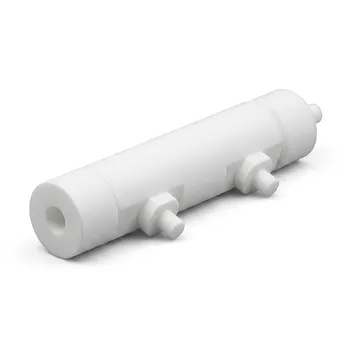
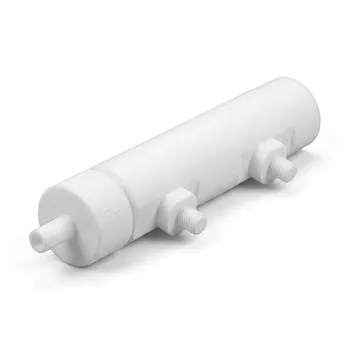
- Custom PTFE Electrolytic Cell Corrosion Resistant Low Background Reaction Vessel with Inlet Outlet Ports
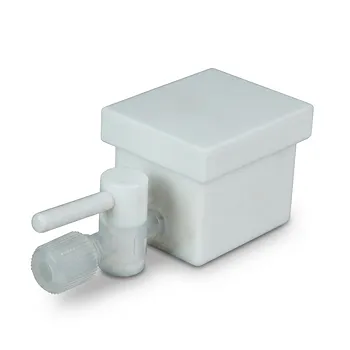
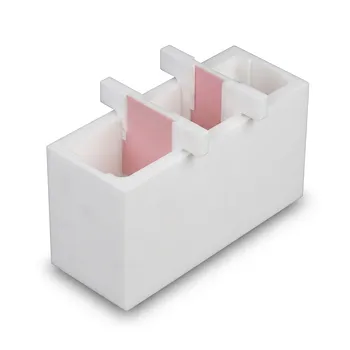
- White PTFE Electrolytic Cell with Movable Slider and Insulated Lid for Fluorine Corrosion Resistance
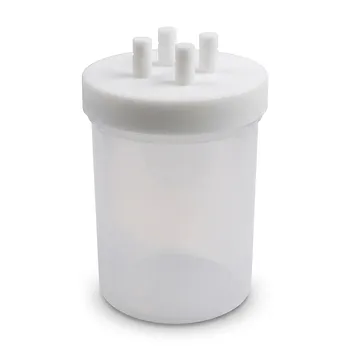
- Custom PTFE Corrosion Resistant Insulating Electrophoresis Reaction Cell with Septum and Valves for Low Background Trace Analysis
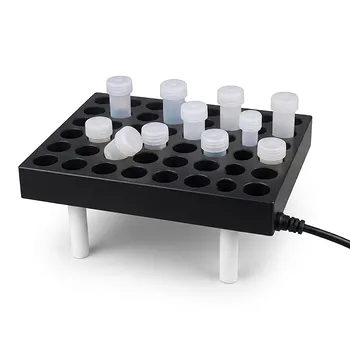
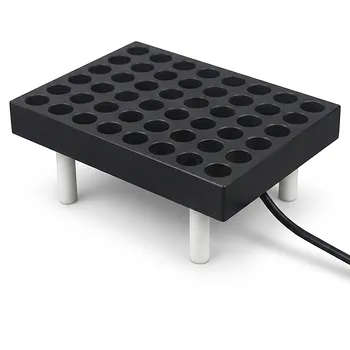
- Corrosion Resistant Heating Plate with Modified PTFE Coating 400x300mm Acid Resistant Laboratory Hot Plate Customizable Heating Solution
People Also Ask
- Why are PTFE shovels considered cost-effective? Maximize ROI with Superior Durability
- What are the key properties that make PTFE shovels ideal for laboratory use? Ensure Sample Integrity with Chemically Inert Tools
- How does the durability of PTFE shovels compare to plastic shovels? Discover the Superior Choice for Harsh Conditions
- What are the advantages of PTFE shovels in terms of chemical resistance? Unmatched Inertness for Handling Corrosives
- What are some specific applications of PTFE shovels in the laboratory? Ensure Sample Purity and Safety