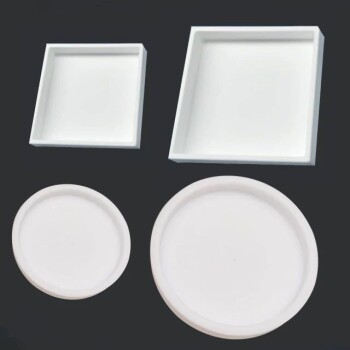
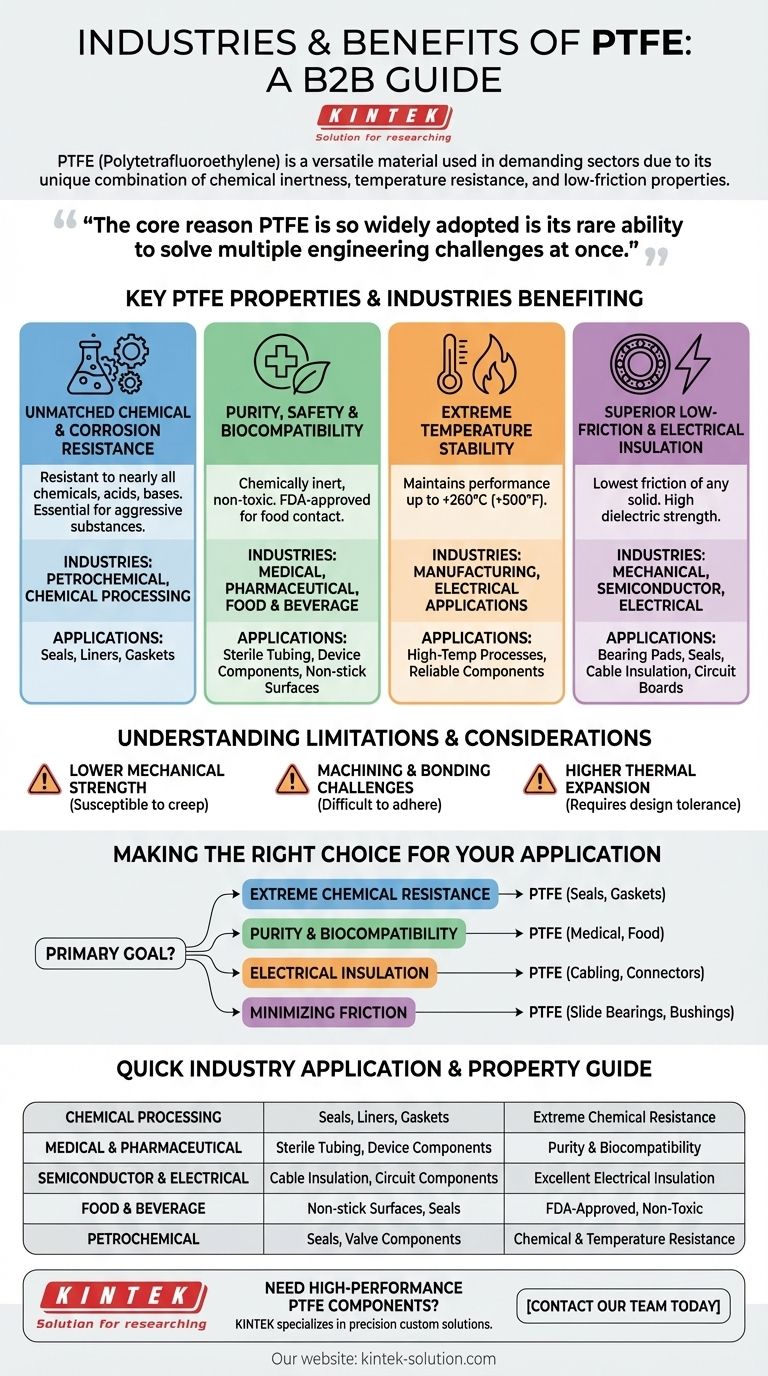
The short answer is that Polytetrafluoroethylene (PTFE) is a uniquely versatile material benefiting a vast range of demanding sectors. Key industries include medical, pharmaceutical, food and beverage, petrochemical, chemical processing, semiconductor, and electrical applications due to its unparalleled combination of chemical inertness, temperature resistance, and low-friction properties.
The core reason PTFE is so widely adopted is not one single attribute, but its rare ability to solve multiple engineering challenges at once—offering extreme chemical resistance, high-temperature stability, and biocompatibility in a single, cost-effective material.
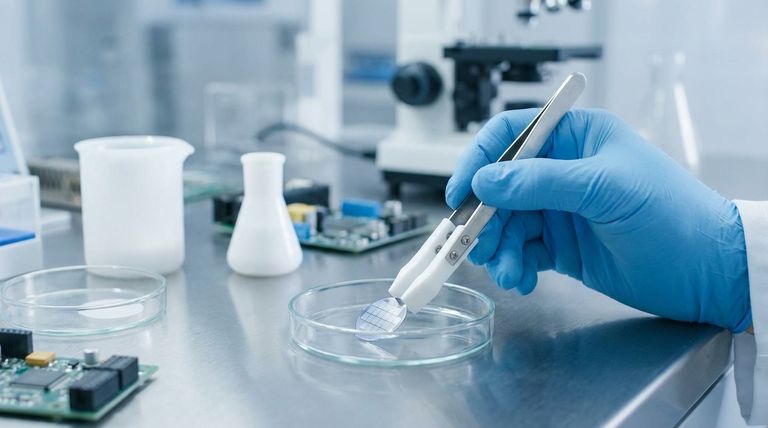
Why PTFE Is a Go-To Material for Demanding Industries
PTFE's value comes from a unique set of properties that makes it a problem-solver in environments where other materials would quickly fail. Different industries leverage specific attributes to meet their critical needs.
Unmatched Chemical and Corrosion Resistance
PTFE is resistant to nearly all chemicals, acids, and bases. This makes it an essential material for handling aggressive substances.
This property is critical in the petrochemical and chemical processing industries, where it's used for seals, liners, and gaskets that are constantly exposed to corrosive materials.
Purity, Safety, and Biocompatibility
Being chemically inert and non-toxic, PTFE does not react with substances it comes into contact with. Many grades are FDA-approved for direct contact with consumables.
This makes it indispensable for the medical, pharmaceutical, and food and beverage sectors. Applications range from sterile fluid handling tubes and medical device components to non-stick, easy-to-clean surfaces in food processing equipment.
Extreme Temperature Stability
PTFE maintains its integrity and performance over a very wide temperature range, with a continuous working temperature of up to +260°C (+500°F).
This thermal stability is crucial for high-temperature manufacturing processes and electrical applications where components must operate reliably without degrading.
Superior Low-Friction Performance
PTFE has one of the lowest coefficients of friction of any solid material, often compared to wet ice on wet ice. This is commonly known by its brand name, Teflon™.
This "slipperiness" is leveraged in mechanical applications like bearing pads and seals, reducing wear and tear, minimizing energy consumption, and ensuring smooth operation.
Excellent Electrical Insulation
PTFE is a superb electrical insulator with very high dielectric strength, meaning it can withstand high voltages without breaking down.
This makes it a first-choice material in the electrical and semiconductor industries for high-performance wire and cable insulation, as well as components in circuit boards and microchips.
Understanding the Limitations and Considerations
While PTFE is a high-performance material, it's not a universal solution. Understanding its limitations is key to using it effectively.
Lower Mechanical Strength
Compared to metals and some other engineering plastics, PTFE has relatively low tensile strength and is susceptible to "creep," or deformation under sustained load.
This means it is not typically used for primary structural components that must bear significant mechanical stress.
Machining and Bonding Challenges
The same low-friction surface that makes PTFE so valuable also makes it difficult to bond to other materials using conventional adhesives.
Specialized surface preparation techniques are required, which can add complexity and cost to the manufacturing process.
Higher Thermal Expansion
PTFE expands and contracts with temperature changes more than many other materials.
Engineers must account for this in designs with tight tolerances to prevent parts from failing or seizing up during thermal cycling.
Making the Right Choice for Your Application
To determine if PTFE is the correct material, align its core strengths with your primary engineering goal.
- If your primary focus is extreme chemical resistance: PTFE is almost certainly the best choice for seals, gaskets, and vessel linings in aggressive chemical environments.
- If your primary focus is purity and biocompatibility: FDA-approved grades of PTFE are a standard-setter for the medical, pharmaceutical, and food industries.
- If your primary focus is electrical insulation at high frequencies: PTFE's exceptional dielectric properties make it a top-tier material for high-performance cabling and connectors.
- If your primary focus is minimizing friction in moving parts: PTFE is an excellent candidate for non-load-bearing applications like slide bearings, bushings, and low-friction coatings.
Ultimately, PTFE's success across diverse industries stems from its ability to perform reliably where other materials simply cannot survive.
Summary Table:
| Industry | Key PTFE Application | Primary PTFE Property Utilized |
|---|---|---|
| Chemical Processing | Seals, Liners, Gaskets | Extreme Chemical Resistance |
| Medical & Pharmaceutical | Sterile Tubing, Device Components | Purity & Biocompatibility |
| Semiconductor & Electrical | Cable Insulation, Circuit Components | Excellent Electrical Insulation |
| Food & Beverage | Non-stick Surfaces, Seals | FDA-Approved, Non-Toxic |
| Petrochemical | Seals, Valve Components | Chemical & Temperature Resistance |
Need High-Performance PTFE Components for Your Industry?
KINTEK specializes in manufacturing precision PTFE components—including seals, liners, and custom labware—for the semiconductor, medical, laboratory, and industrial sectors. We combine expert material knowledge with precision production to deliver custom solutions from prototypes to high-volume orders.
Let us help you solve your most demanding application challenges. Contact our team today for a consultation!
Visual Guide
Related Products
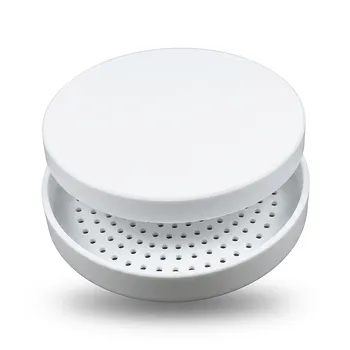
- Custom PTFE Filtration System Acid Resistant High Purity Semiconductor Grade Chemical Processing Filter
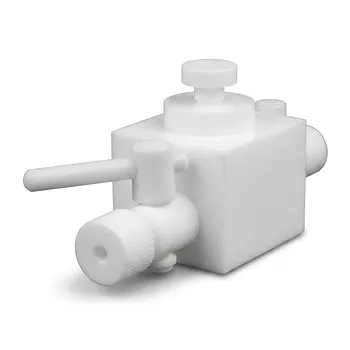
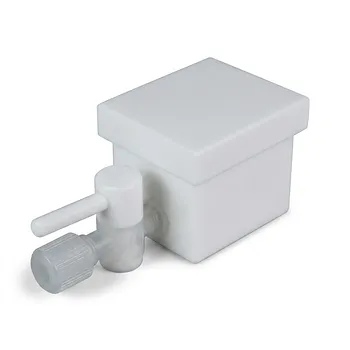
- High Corrosion Resistant PTFE Faucet Polytetrafluoroethylene Valve for Chemical Storage Drums and Fluid Transfer Systems Customizable Industrial Grade
- PTFE PFA Vacuum Filtration System Corrosion Resistant Customizable Shatterproof Laboratory Device
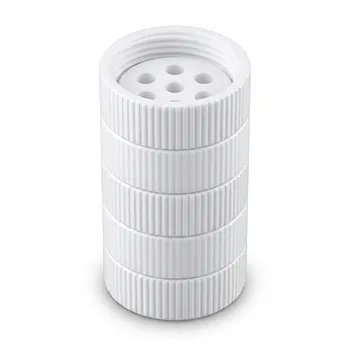
- PTFE Corrosion Resistant Filter with PFA Valve Connections and Integrated Sieve Plate
- High Temperature Chemical Resistant 50ml PTFE Syringe Customized Teflon Injector with Threaded Seal for Trace Analysis
People Also Ask
- What makes PTFE filtration systems advantageous for industrial and scientific use? Unmatched Chemical & Thermal Stability
- What sizes and pore options are available for PTFE filters? Choose the Right Filter for Your Application
- What steps are involved in selecting the proper PTFE filter? A 4-Step Guide to Optimal Filtration
- How does the hydrophobicity of PTFE filters benefit their use? Ensure Uninterrupted Gas Flow and Solvent Filtration
- What temperature resistance do PTFE filters offer? Unmatched Thermal Stability from -200°C to +260°C