PTFE laboratory products are exceptionally stable because their polymer chains are protected by strong carbon–fluorine bonds and a dense fluorine sheath. In PTFE, fluorine atoms replace the hydrogen atoms found in polyethylene, creating a fully fluorinated carbon backbone that is difficult to break, oxidize, or chemically penetrate. This structure gives PTFE higher thermal resistance, far greater chemical inertness, and lower contamination risk than standard hydrocarbon plastics such as polyethylene.
The central advantage of PTFE is structural protection: strong C–F bonds provide molecular stability, while the tightly packed fluorine atoms shield the carbon backbone from chemical attack. That combination explains why PTFE labware can handle aggressive reagents and continuous service near 260°C, where polyethylene softens or degrades.
Why PTFE Resists Heat
Strong Carbon–Fluorine Bonds
The carbon–fluorine bond is one of the strongest single bonds in organic chemistry, with reported bond energies commonly around 480–490 kJ/mol. Breaking these bonds requires substantially more energy than breaking the carbon–hydrogen bonds that dominate polyethylene.
This makes PTFE less susceptible to thermal chain scission, oxidation, and other degradation reactions during heating. Bond strength is not the only factor controlling temperature performance, but it is a fundamental part of the explanation.
A Fully Fluorinated Backbone
PTFE consists of repeating –CF₂–CF₂– units. Unlike polyethylene, whose carbon backbone carries hydrogen atoms, PTFE presents fluorine around nearly the entire carbon chain.
This fluorine-rich structure forms a dense protective layer that reduces access to the backbone. Heat therefore has a harder time initiating the molecular reactions that cause ordinary plastics to soften, oxidize, or lose mechanical integrity.
Higher Melting and Service Temperatures
PTFE has a melting transition near 327°C, whereas polyethylene grades generally melt between approximately 105°C and 140°C, depending on their molecular structure and density. PTFE is consequently suitable for laboratory applications that exceed the useful temperature range of common polyethylene products.
In practical service, PTFE components are commonly used continuously at temperatures up to about 260°C, or 500°F, subject to product design, pressure, mechanical load, and exposure conditions.
Why PTFE Is Chemically Inert
Fluorine Shields the Carbon Chain
Fluorine has the highest electronegativity of the elements and forms a strongly polarized, highly stable bond with carbon. Its relatively large atomic size and dense electron distribution allow fluorine atoms to surround and shield the underlying carbon backbone.
This shielding makes it difficult for acids, bases, solvents, and oxidizing chemicals to reach and react with the chain. The result is unusually low chemical reactivity compared with hydrocarbon polymers.
The Polymer Has Few Reactive Sites
PTFE's backbone contains only carbon and fluorine. It lacks the hydrogen-rich and chemically active functional groups found in many other polymers, which limits the number of sites available for substitution, oxidation, or solvent-driven reactions.
As a result, PTFE is insoluble in common organic solvents under ordinary conditions and resists concentrated acids, aggressive bases, and many corrosive reagents. Its resistance is particularly valuable in digestion vessels, crucibles, tubing, fittings, and trace-analysis containers.
Low Surface Energy Reduces Contamination
The outer fluorine layer also gives PTFE an exceptionally low surface energy. Liquids wet and adhere to it poorly, so samples are less likely to cling to vessel walls or remain trapped in fluid-handling components.
This nonstick behavior helps reduce residue, cross-contamination, leachables, and sample loss. It is an important laboratory benefit beyond simple resistance to chemical attack.
How PTFE Differs From Polyethylene
Polyethylene Exposes a Hydrocarbon Surface
Polyethylene is built from repeating –CH₂–CH₂– units. Its carbon backbone is protected by hydrogen, but hydrogen is smaller and provides less steric and electronic shielding than fluorine.
The C–H bonds and hydrocarbon surface are therefore more accessible to oxidation, solvents, and thermal attack than the fluorinated structure of PTFE. Polyethylene remains useful for many laboratory tasks, but it is not intended for the same combination of high temperature and aggressive chemistry.
PTFE Maintains Purity Under Harsh Conditions
When a polyethylene product softens, swells, oxidizes, or interacts with a reagent, it can lose dimensional stability or contribute contaminants to a sample. PTFE is much less likely to undergo those changes within its recommended operating range.
That stability supports high-purity work in applications such as acid digestion, microwave preparation, reagent storage, and controlled fluid transfer.
PTFE Also Provides Low Friction
The fluorinated surface has low intermolecular attraction and low adhesion. This gives PTFE a very low coefficient of friction and makes it useful for valves, seals, bearings, stopcocks, and fittings as well as vessels.
Low friction does not directly cause thermal stability, but it is another consequence of the same fluorine-rich surface chemistry that produces chemical inertness.
Understanding the Trade-offs
PTFE Is Not Unconditionally Heatproof
PTFE can melt near 327°C and begins to undergo thermal decomposition at higher temperatures. Its recommended continuous operating limit near 260°C should not be treated as permission for unlimited exposure to heat, especially under pressure or mechanical load.
Laboratory users should follow the component manufacturer's temperature, pressure, and chemical compatibility limits.
Mechanical Strength Can Limit the Application
PTFE is chemically robust but relatively soft compared with many engineering plastics. It can creep under sustained load, deform when compressed, and wear more readily in mechanically demanding applications.
For this reason, PTFE is sometimes reinforced or used as a liner, seal, or chemically resistant insert rather than as the sole structural material.
Some Chemicals Require Special Caution
PTFE resists most laboratory chemicals, but no polymer is universally inert. Molten alkali metals, elemental fluorine, and some highly reactive fluorinating conditions can attack PTFE, particularly at elevated temperatures.
PTFE may also be unsuitable where gas permeability, dimensional rigidity, or high-load wear resistance is the primary requirement.
Making the Right Choice for Your Goal
PTFE is the stronger choice when both chemical aggressiveness and elevated temperature matter, but selection should still account for mechanical stress and the exact reagents involved.
- If your primary focus is high-temperature processing: Choose PTFE for applications approaching 260°C, while verifying the product's pressure, load, and thermal limits.
- If your primary focus is chemical resistance: Choose PTFE for concentrated acids, aggressive bases, and many organic solvents, but screen unusual fluorinating or molten-metal conditions separately.
- If your primary focus is sample purity: Choose PTFE labware when low adhesion, low extractables, and resistance to leaching are important in trace analysis or digestion work.
- If your primary focus is low cost or moderate-temperature handling: Consider polyethylene when the chemicals and temperatures are within its compatibility range and PTFE's additional performance is unnecessary.
The fundamental lesson is that PTFE's strong C–F bonds and protective fluorine sheath convert molecular stability into dependable performance under heat, chemical attack, and high-purity laboratory conditions.
Summary Table:
| Property | PTFE | Polyethylene |
|---|---|---|
| Repeating unit | –CF₂–CF₂– | –CH₂–CH₂– |
| Typical C–X bond energy | ~480–490 kJ/mol | ~410 kJ/mol |
| Melting point | ~327°C | ~105–140°C |
| Continuous service temperature | up to ~260°C | lower, softens near 100°C |
| Chemical resistance | Excellent against acids, bases, solvents | Moderate; susceptible to oxidation and some solvents |
| Surface energy | Very low (non-stick) | Higher, more wetting |
| Contamination risk | Low (low extractables) | Higher (potential leaching) |
| Friction coefficient | Very low | Higher |
Unlock the full potential of PTFE in your laboratory. At KINTEK, we specialize in high-performance fluoropolymers, offering a comprehensive range of PTFE and PFA labware—from basic beakers and digestion vessels to custom CNC-machined components and complex electrochemical cells. Whether you need high-temperature stability, chemical inertness, or contamination-free analysis, our engineered solutions are designed to enhance your lab's efficiency and accuracy. Contact our experts today to discuss your specific application and discover how our PTFE products can elevate your research. Get in touch.
Related Products
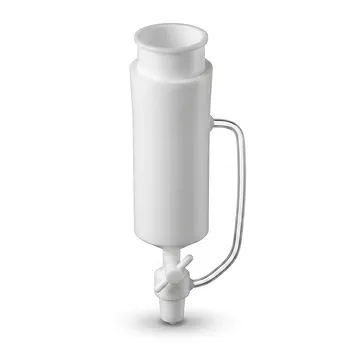
- Custom PTFE Filtration System Acid Resistant High Purity Semiconductor Grade Chemical Processing Filter
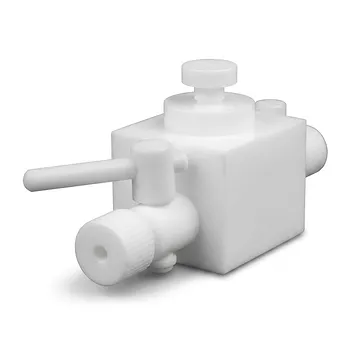
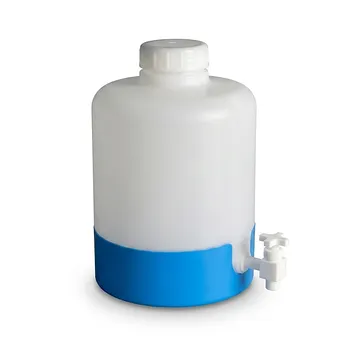
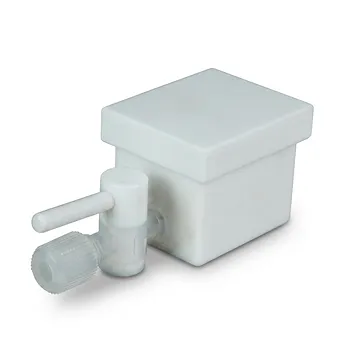
- High Corrosion Resistant PTFE Faucet Polytetrafluoroethylene Valve for Chemical Storage Drums and Fluid Transfer Systems Customizable Industrial Grade
- PTFE PFA Vacuum Filtration System Corrosion Resistant Customizable Shatterproof Laboratory Device
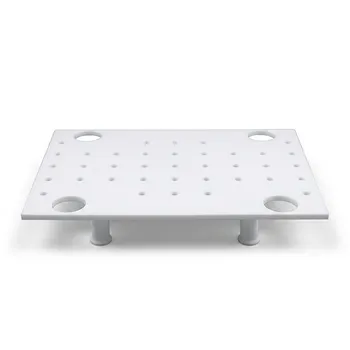
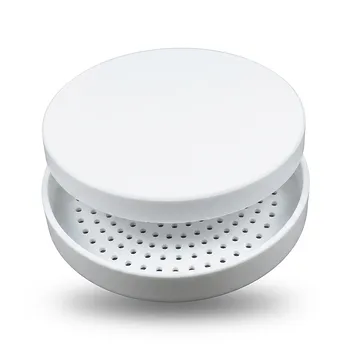
- PTFE Corrosion Resistant Filter with PFA Valve Connections and Integrated Sieve Plate
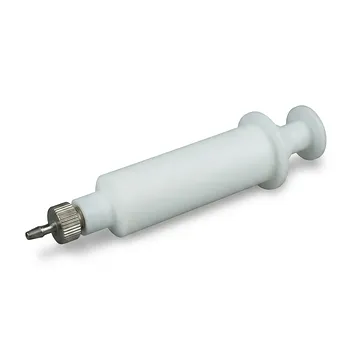
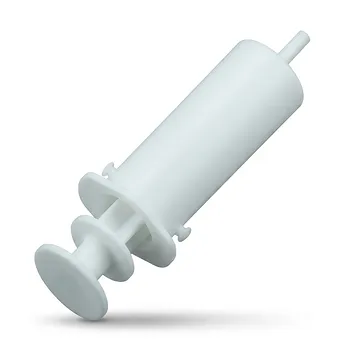
- High Temperature Chemical Resistant 50ml PTFE Syringe Customized Teflon Injector with Threaded Seal for Trace Analysis
People Also Ask
- What makes PTFE filtration systems advantageous for industrial and scientific use? Unmatched Chemical & Thermal Stability
- What sizes and pore options are available for PTFE filters? Choose the Right Filter for Your Application
- What steps are involved in selecting the proper PTFE filter? A 4-Step Guide to Optimal Filtration
- How does the hydrophobicity of PTFE filters benefit their use? Ensure Uninterrupted Gas Flow and Solvent Filtration
- What temperature resistance do PTFE filters offer? Unmatched Thermal Stability from -200°C to +260°C