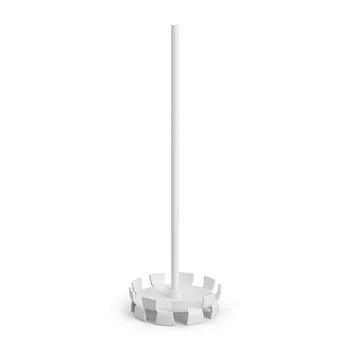
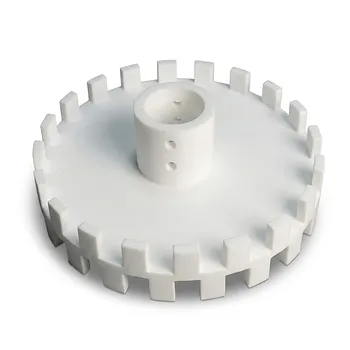
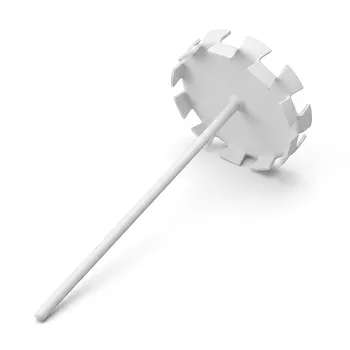
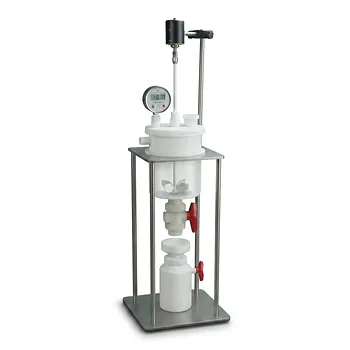
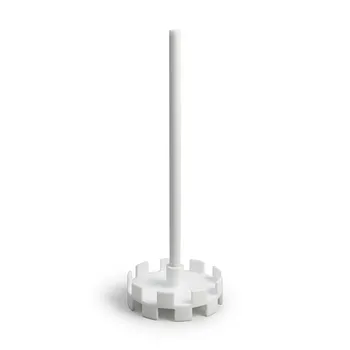
PTFE rotors minimize dead volume through precise geometric alignment and smooth internal transitions. By matching the rotor's internal channels to the specific diameter of the connecting tubing and utilizing radiused corners, these components eliminate stagnant zones where fluid can collect. This specialized design typically limits fluid holdup to a range of 1 to 10 microliters, ensuring high precision in sensitive analytical applications.
The core of dead volume reduction lies in creating a seamless flow path where the rotor's internal geometry mirrors the rest of the system, preventing fluid entrapment and maintaining laminar flow.
The Mechanics of Geometric Alignment
Matching Internal and External Diameters
The most critical factor in minimizing dead volume is ensuring the inner diameter (ID) of the rotor’s flow channels matches the ID of the connecting tubing exactly. Any discrepancy between these two diameters creates a "step" or cavity that traps fluid and resists flushing.
The Role of Precision Machining
Achieving this alignment requires high-precision machining to meet incredibly tight tolerances. This ensures that as the rotor moves against the stationary stator, the flow path remains uninterrupted and consistent, preventing the formation of micro-pockets.
Optimizing Fluid Dynamics
Smooth Radiused Transitions
Unlike standard components that may feature sharp, 90-degree angles, high-performance PTFE rotors utilize radiused transitions. These curved paths allow fluid to glide through the rotor without getting caught in corners, which is the primary cause of sample carryover.
Reducing Turbulence and Shear
By streamlining the flow path, the design significantly reduces turbulence and shear stress. Maintaining a smooth, laminar flow is essential for protecting sensitive biological samples and ensuring that the entire volume of the fluid moves through the system at a uniform rate.
Eliminating Stagnant Zones
Minimizing dead volume is fundamentally about eliminating stagnant zones—areas where fluid velocity drops to zero. A well-designed PTFE rotor ensures that the "swept volume" (the area through which fluid actively moves) is nearly identical to the total internal volume of the component.
Understanding the Trade-offs
Material Softness and Deformation
While PTFE is prized for its low friction and chemical inertness, it is a relatively soft polymer subject to "cold flow" or deformation. Under high sealing pressures or over-tightening, the internal channels can slightly compress, which may inadvertently alter the dead volume over time.
Seal Integrity vs. Channel Precision
There is a constant engineering balance between achieving a leak-proof seal and maintaining perfect channel geometry. Excessive contact pressure between the rotor and stator can distort the precision-machined grooves, potentially increasing turbulence or creating new dead spots.
Applying These Principles to Your System
Selecting and maintaining the right rotor design depends heavily on your specific fluidic requirements and the sensitivity of your analysis.
- If your primary focus is analytical precision: Prioritize rotors with the smallest specified dead volume (near 1 microliter) and ensure your tubing ID is perfectly matched to the rotor specifications.
- If your primary focus is chemical resistance: Ensure the PTFE grade is compatible with your solvents, but be prepared to perform more frequent calibrations to account for potential material deformation.
- If your primary focus is reducing sample carryover: Select rotors specifically featuring radiused internal transitions to ensure the flow path is thoroughly "swept" during every cycle.
By aligning the mechanical geometry of the rotor with the fluidic requirements of the system, you ensure a high-fidelity flow path that protects both sample integrity and data accuracy.
Summary Table:
| Design Feature | Mechanism | Benefit |
|---|---|---|
| ID Matching | Rotor channels match tubing diameter exactly | Eliminates cavities and fluid entrapment |
| Radiused Transitions | Curved internal paths instead of 90° angles | Prevents sample carryover in corners |
| Precision Machining | Tight manufacturing tolerances | Ensures an uninterrupted, consistent flow path |
| Laminar Flow Design | Streamlined internal geometry | Reduces turbulence and protects sensitive samples |
Optimize Your Fluidic Precision with KINTEK
Maximize your analytical accuracy with KINTEK’s high-performance fluoropolymer solutions. Whether you need everyday basic labware like beakers and reagent bottles or specialized fluid transfer components such as high-precision PTFE rotors, tubing, and valves, we deliver unmatched quality.
At KINTEK, we maintain an exclusive focus on PTFE and PFA materials, backed by expert end-to-end custom CNC fabrication. From high-purity trace analysis tools to complex, bespoke laboratory setups and high-volume orders, we provide the absolute precision your research demands.
Ready to eliminate dead volume in your system? Contact us today to discuss your custom project or explore our comprehensive range of high-performance lab supplies.
Related Products
- High Purity PTFE Wide Mouth Extraction Bottle Large Capacity Reaction Vessel for Rotary Agitators
- Large Capacity PTFE Reaction Bottle 2L Wide Mouth Fluoropolymer Extraction Vessel Compatible with Rotary Agitators
- Customizable PTFE Rods for Advanced Industrial Applications
- High Corrosion Resistant PTFE Faucet Polytetrafluoroethylene Valve for Chemical Storage Drums and Fluid Transfer Systems Customizable Industrial Grade
- Custom Graphite Filled PTFE Rods for Advanced Industrial Applications
People Also Ask
- What are the temperature limits for the PTFE bottle? Ensure Safety from -200°C to 260°C
- What are the advantages of the PTFE bottle's non-stick surface? Ensure Purity and Efficiency in Your Lab
- What are the key applications of the PTFE bottle? Ensure Chemical Safety and Sample Purity
- What material is the PTFE bottle made from? Discover the Benefits of 100% Virgin PTFE
- What makes the PTFE bottle durable? Unmatched Chemical & Thermal Stability for Demanding Applications