The Invisible Threat at 30,000 Feet
Imagine a hydraulic control circuit or a fuel delivery line deep within an aircraft’s wing. To the naked eye, it’s a simple conduit. But in reality, it is a component under siege. Within a single flight, it may transition from the blistering +50°C heat of a desert runway to the -55°C frigidity of high-altitude flight, all while being bathed in corrosive de-icing chemicals and subjected to high-frequency engine vibrations.
In these environments, "good enough" materials are a liability. When a fluid system fails, the consequences aren't just measured in repair costs—they are measured in grounded fleets, compromised missions, and safety risks.
The Struggle: Why Standard Materials Fall Short
Engineers often face a frustrating trade-off when designing for aerospace and defense. Conventional elastomers or lower-grade plastics frequently succumb to "The Three Fatigue Factors":
- Thermal Shock: Standard materials become brittle in the extreme cold of high altitudes or soften and lose sealing integrity near engine zones.
- Chemical Degradation: Exposure to aggressive aviation fuels, hydraulic fluids, and de-icing agents causes many materials to swell, crack, or leach contaminants into high-purity systems.
- Weight vs. Durability: Metal tubing offers strength but adds significant mass to the aircraft, decreasing fuel efficiency and payload capacity.
When these materials fail, the traditional "fix" is more frequent maintenance intervals. However, this is a reactive strategy that drives up operational costs and keeps critical equipment out of service.
The Root Cause: It’s Not Just Temperature, It’s Molecular Stability
To understand why systems fail, we have to look at the physics of the material. Many failures in aerospace aren't caused by a single event, but by dimensional instability.
For example, many polymers absorb trace amounts of moisture. At high altitudes, that moisture freezes, expanding and creating micro-cracks. In vacuum conditions, such as satellite environments, standard plastics suffer from "outgassing"—the release of volatile compounds that can fog sensitive optical sensors or cause electrical arcing in high-voltage electronics.
The root of the problem is that most materials cannot maintain their physical properties while simultaneously resisting chemical attack and thermal cycling. To solve this, you need a material that is chemically inert, thermally stable, and molecularly "quiet."
The Solution: Precision-Engineered PTFE
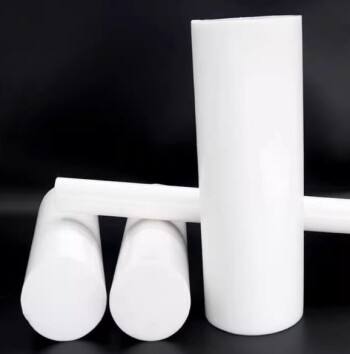
The answer lies in the unique molecular structure of Polytetrafluoroethylene (PTFE). But it isn’t just about the material itself; it’s about how that material is engineered into the system.
At KINTEK, we specialize in transforming high-purity PTFE and PFA into the "nervous system" of high-performance machinery. Our components address the root causes of aerospace failure through three critical pillars:
- Absolute Thermal Range: PTFE remains flexible and maintains its seal at -55°C and remains structurally sound up to +150°C (and beyond in specialized configurations). This eliminates the risk of cracks during rapid altitude changes.
- Negligible Outgassing and Zero Absorption: Because PTFE does not absorb moisture, it prevents ice formation and dimensional changes. In vacuum environments, its low outgassing behavior ensures that delicate electronics and lenses remain uncontaminated.
- The Power of Frictionless Flow: With one of the lowest coefficients of friction of any solid material, PTFE-lined systems reduce internal turbulence. This leads to smoother fluid flow and lower power consumption for hydraulic pumps.
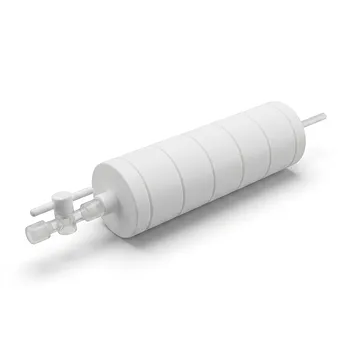
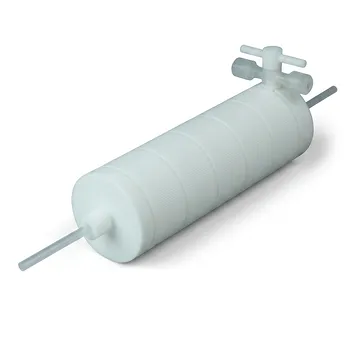
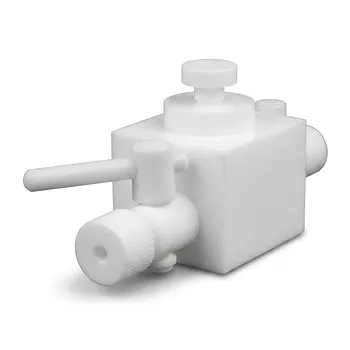
By using high-precision CNC fabrication, we ensure that these components meet the exacting tolerances required for aerospace fittings, valves, and custom fluid transfer blocks—ensuring that the material’s natural benefits aren't lost to poor manufacturing.
Beyond the Fix: Unlocking New Performance Envelopes
When you solve the problem of material fatigue, you do more than just "fix" a leak; you open the door to new engineering possibilities.
By integrating precision PTFE components, aerospace designers can reduce the overall mass of the aircraft without sacrificing safety. Systems can be designed for longer mission durations with significantly lower maintenance overhead. Whether it is a fuel-transfer line that resists the most aggressive chemicals or a dielectric insulator that prevents arcing in high-voltage satellite arrays, the right material choice turns a potential point of failure into a competitive advantage.
The challenges of aerospace and defense are evolving. As systems become more compact and environments more extreme, the "hidden" components—the seals, tubes, and valves—must be as sophisticated as the electronics they support.
Ready to enhance the reliability of your mission-critical systems? At KINTEK, we go beyond standard supplies to provide custom-machined PTFE and PFA solutions tailored to your most demanding specifications. Whether you are developing next-generation battery test fixtures or high-purity fluid transfer systems for aerospace applications, our technical team is ready to help you bridge the gap between complex engineering challenges and high-performance reality. Contact Our Experts today to discuss your project.
Related Products
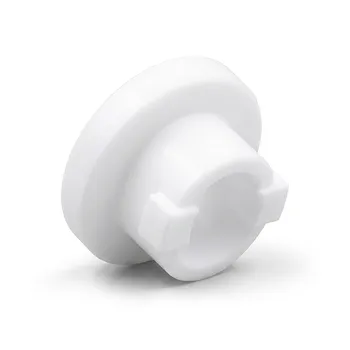
- Custom PTFE Insulating Gaskets Corrosion Resistant Teflon Seals Tailored Engineering Plastic Components
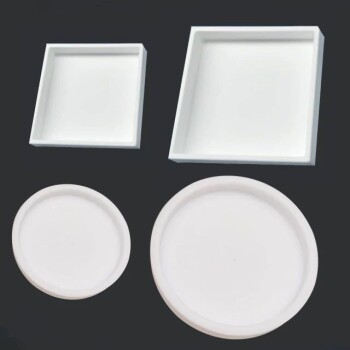
- Custom PTFE Parts Manufacturer for Teflon Containers and Components
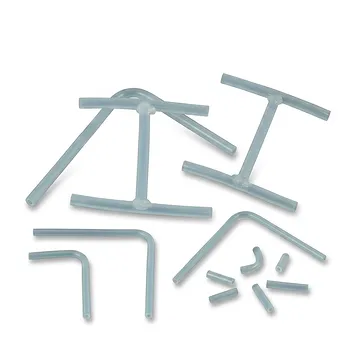
- High Performance PFA Coiled Spring Tubing and Custom PTFE Fabrication Services with Welded Fittings and Precision Bent Components
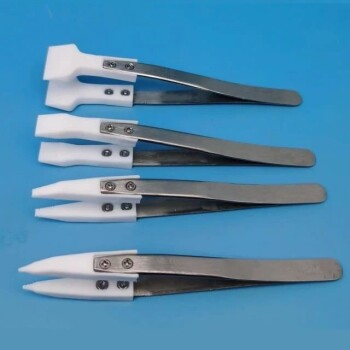
- Custom PTFE Parts Manufacturer for Teflon Parts and PTFE Tweezers
- PTFE Corrosion Resistant Filter with PFA Valve Connections and Integrated Sieve Plate
Related Articles
- The Asymmetric Cost of Failure: Why Precision PTFE Is Your Last Line of Defense
- Beyond the Coating: The Physics of a Perfect Pitch and the Role of PTFE Components
- When 'Chemically Inert' Isn't Enough: Why Your PTFE Components Fail and How to Prevent It
- Why 'Medical-Grade' Isn't Enough: The Hidden Risk in Your PTFE Components
- Beyond Friction: Why Your PTFE Components Fail and How to Engineer for Reliability