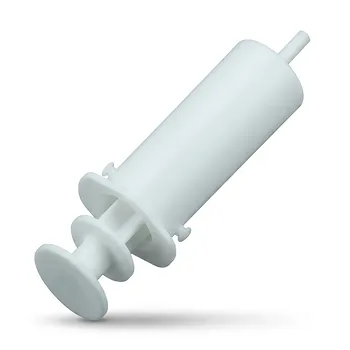
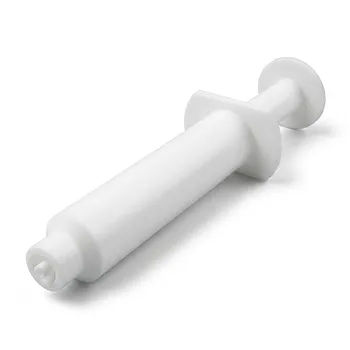
Precision in fluid delivery is the fundamental requirement for controlling the crystal morphology of titanium dioxide. In synthesis, the exact volume of alkaline solution added dictates the final pH of the reaction system, which serves as the primary "switch" for determining whether the resulting titanium dioxide forms as anatase, brookite, or rutile.
High-precision equipment is necessary because pH sensitivity in titanium dioxide synthesis is so high that even minor volume deviations can alter the final crystal phase, leading to inconsistent material properties and failed production runs.
The Critical Link Between pH and Crystal Phase
Dictating Polymorph Formation
Titanium dioxide exists in several different crystal structures, and the pH value of the precursor solution is the dominant factor in selecting which one forms. Precise control allows researchers to target specific phases, such as pure brookite, which are otherwise difficult to isolate.
Ensuring Chemical Repeatability
To achieve stable production of a specific phase, every drop of alkaline or acidic solution must be accounted for. High-precision pipetting and delivery systems ensure that the reaction environment remains identical across different batches, preventing the formation of undesirable phase mixtures.
Preventing Localized pH Gradients
Low-precision delivery can cause localized over-acidification or over-alkalization at the point of contact. These concentrated "pockets" of high or low pH can trigger premature precipitation or degrade the precursor, resulting in non-uniform nanoparticles with poor structural integrity.
System Integrity and Contamination Control
Material Compatibility and Chemical Stability
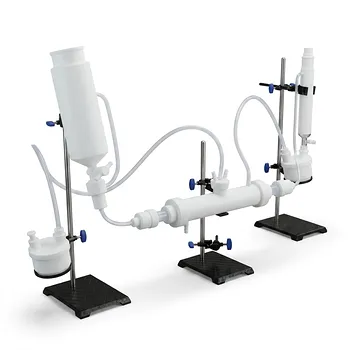
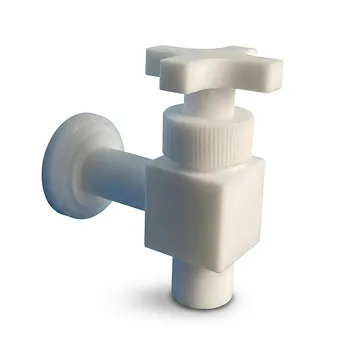
The equipment used must be chemically inert, often utilizing materials like PTFE (Polytetrafluoroethylene). High-precision PTFE valves and fittings provide the sealing performance necessary to prevent leaks and ensure that no external contaminants enter the complex reaction path.
Avoiding Ion Leaching
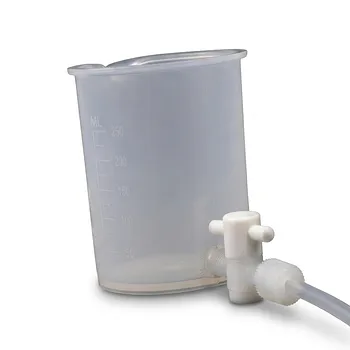
In highly acidic environments—common when using hydrochloric acid for TiO2 synthesis—standard glass or low-grade plastic containers can leach ions into the solution. Using high-precision, inert beakers and delivery components ensures that the purity of the titanium dioxide is maintained, which is critical for achieving desired lipophilic or hydrophobic surface characteristics.
Long-Term Operational Stability
Automated synthesis often requires continuous operation over long periods. High-precision fluid systems are designed with wear-resistant characteristics and self-lubricating parts to maintain accuracy over thousands of cycles without drifting from the calibrated volume.
Understanding the Trade-offs
Cost vs. Control
The primary trade-off with high-precision equipment is the significant initial investment and the requirement for regular calibration. While manual titration or lower-grade pumps are cheaper, they often result in "phase-bleeding," where the final product contains trace amounts of rutile in an anatase sample, rendering the batch useless for high-spec applications.
Complexity and Maintenance
Highly precise systems, especially those using PTFE components and automated valves, require rigorous maintenance schedules. Any buildup of dried precursor or salt crystals within a high-precision valve can lead to mechanical failure or a loss of volumetric accuracy, making system cleaning just as vital as the delivery itself.
How to Apply This to Your Project
Selecting the right equipment depends entirely on the sensitivity of your specific synthesis protocol and the purity requirements of your final material.
- If your primary focus is Phase Purity (e.g., pure brookite): Utilize automated, high-precision micro-burettes or pumps to ensure pH fluctuations stay within ±0.05 units.
- If your primary focus is Large-Scale Consistency: Invest in PTFE-lined fluid paths and high-precision valves to prevent leakage and ensure batch-to-batch repeatability during continuous operation.
- If your primary focus is Surface Functionalization: Ensure all fluid delivery components and reaction vessels are chemically inert to prevent ion contamination from affecting the nanoparticle's surface energy.
Precise fluid control transforms titanium dioxide synthesis from an unpredictable chemical reaction into a highly reproducible manufacturing process.
Summary Table:
| Key Requirement | Impact on Titanium Dioxide Synthesis | Recommended Equipment |
|---|---|---|
| Phase Control | Determines if Anatase, Brookite, or Rutile forms | High-precision micro-pumps & valves |
| Batch Repeatability | Ensures identical reaction environments across cycles | Automated PTFE fluid delivery systems |
| Gradient Prevention | Avoids localized over-acidification and non-uniformity | Precision flow-controlled tubing |
| Chemical Inertness | Prevents ion leaching and contamination in acidic paths | PTFE/PFA beakers, tubes, and vessels |
Elevate Your Synthesis Precision with KINTEK
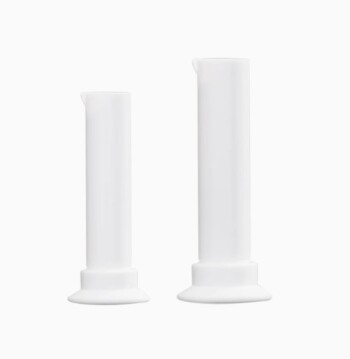
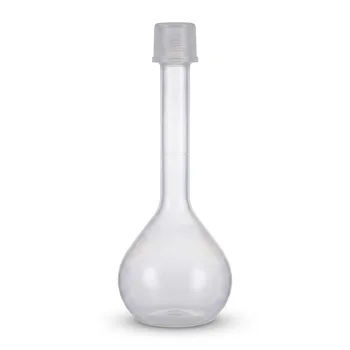
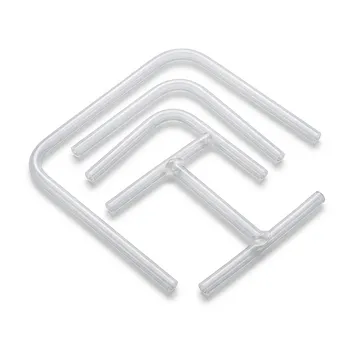
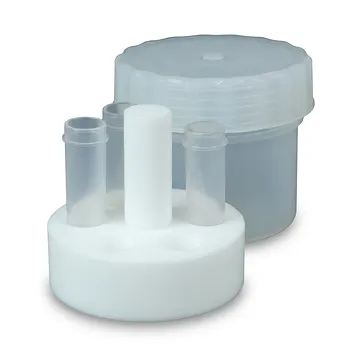
Precision is the difference between successful material innovation and a failed batch. KINTEK specializes in high-performance fluoropolymer solutions designed for the most demanding chemical environments. From everyday basic labware (beakers, measuring cylinders, crucibles, dishes, reagent/wash bottles, centrifuge and digestion tubes) and high-purity trace analysis instruments to comprehensive fluid transfer components (tubing, fittings, valves), we provide the tools necessary to maintain absolute pH control.
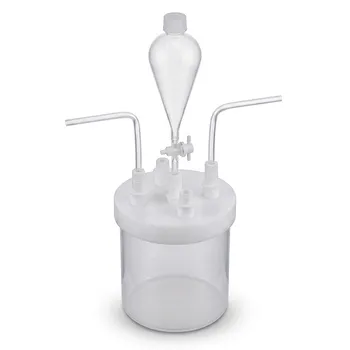
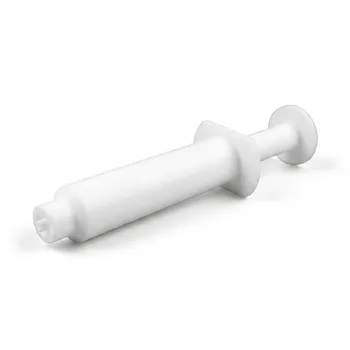
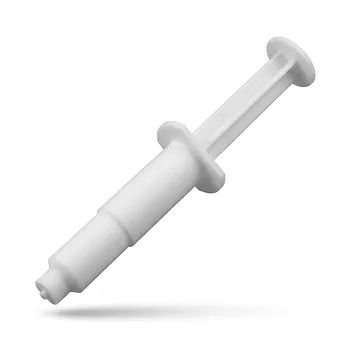
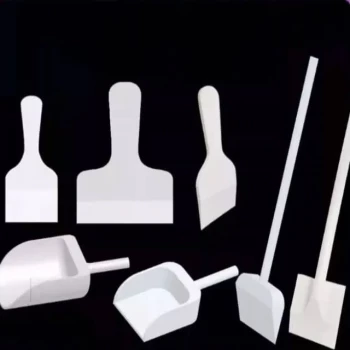
Our expertise extends to sample prep tools (filters, pipettes, tweezers) and general consumables (stirring bars, O-rings), all the way to advanced reaction apparatus like custom electrochemical cells, hydrothermal synthesis liners, and microwave digestion vessels. Backed by end-to-end custom CNC fabrication, we deliver everything from complex non-standard machined parts to high-volume orders with an absolute focus on PTFE and PFA materials.
Ready to optimize your titanium dioxide production? Contact us today to discuss your custom laboratory requirements!
References
- Luke T. Coward, Oksana Love. Insights into Successful Hydrothermal Synthesis of Brookite TiO <sub>2</sub> Particles: From Micro to Nano. DOI: 10.1021/acsomega.5c06112
This article is also based on technical information from Kintek Knowledge Base .
Related Products
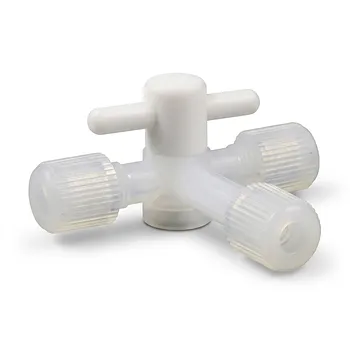
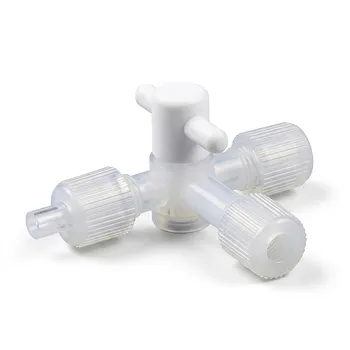
- High Purity PFA Valves and Weldable Corrosion Resistant Transparent Tubing for Semiconductor Sensor Manufacturing Fluid Transfer
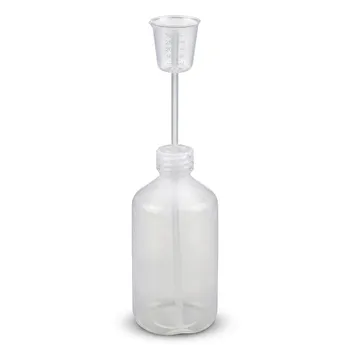
- Corrosion Resistant PFA Bottle Top Dispenser Translucent Squeeze Liquid Extraction System for Ultra Pure Chemical Handling
- Corrosion Resistant High Purity PFA Valve and Weldable Transparent Tubing for Semiconductor Fluid Transfer
- Translucent PFA Bottle Top Dispenser for Corrosion Resistant Chemical Squeeze Extraction
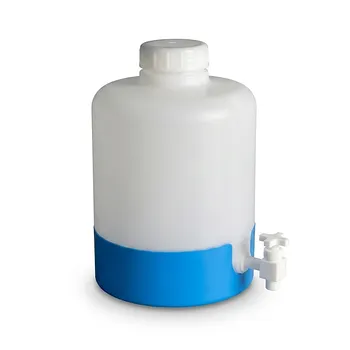
- High Corrosion Resistant PTFE Faucet Polytetrafluoroethylene Valve for Chemical Storage Drums and Fluid Transfer Systems Customizable Industrial Grade
People Also Ask
- Why are high-purity PFA fluid transfer components preferred for battery electrolytes? Ensure Purity & Data Accuracy
- What role do PFA tubing and valves play in high-precision laboratory fluid transfer systems? Ensure Ultra-Pure Results
- How do PFA fluid transfer components contribute to chemical research precision? Achieve high-purity results today.
- How do high-precision PFA fluid transfer components, such as tubing and fittings, affect the results of continuous-flow synthesis?
- Why is PFA often selected over traditional PTFE for manufacturing complex fluoropolymer fluid components, custom fittings, and sealed laboratory digestion vessels? Discover the key advantages for your lab.