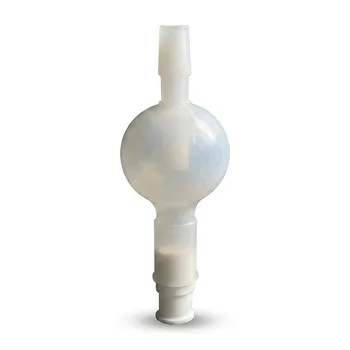
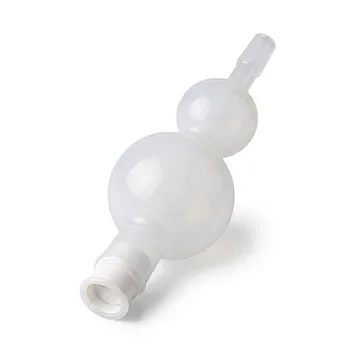
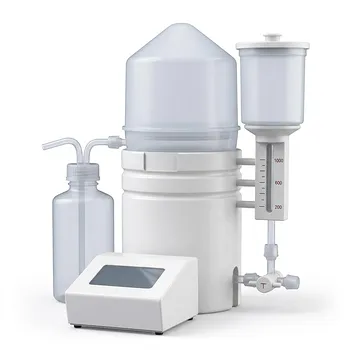
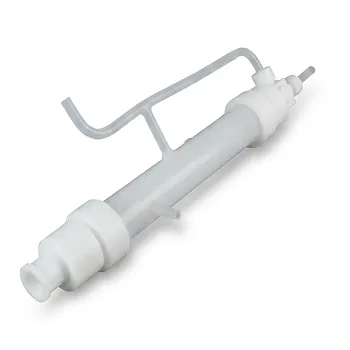
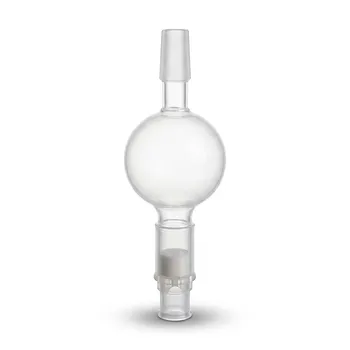
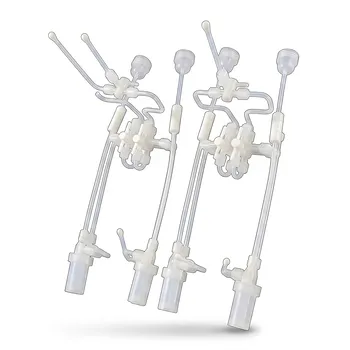
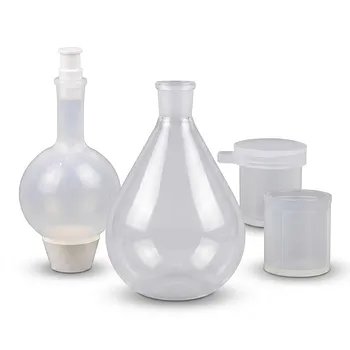
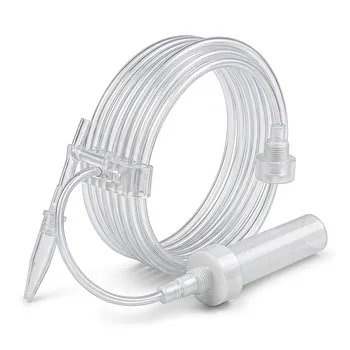
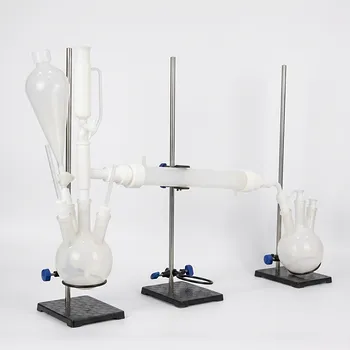
Perfluoroalkoxy alkane (PFA) has become the gold standard for pharmaceutical process development because it eliminates the specific failure points of traditional materials. While glass etches under alkaline conditions and stainless steel corrodes in the presence of halogens, PFA remains chemically inert across the entire pH scale. It provides a non-porous, low-energy surface that prevents precious active pharmaceutical ingredients (APIs) from sticking to vessel walls, ensuring maximum yield and purity.
The Core Takeaway: PFA is preferred because it provides an ultra-pure, non-reactive environment that survives extreme chemical and thermal stress. It bridge the gap between the transparency of glass and the durability of metal, while offering superior resistance to leaching and product adsorption.
Superior Chemical and Thermal Resilience
Resistance to Aggressive Reagents
PFA offers near-absolute resistance to strong acids, bases, and halogenated solvents. Unlike stainless steel, which can pit or corrode when exposed to chlorides, PFA remains stable even under continuous exposure to aggressive reagents.
Performance at High Temperatures
This fluoropolymer maintains its structural integrity at temperatures up to 260°C. It is specifically chosen for applications where glass would begin to etch or degrade, particularly in high-temperature alkaline environments.
Thermal Cycling and Durability
PFA is a melt-processable material that exhibits exceptional mechanical toughness. It resists cracking during repeated thermal cycling, providing a safer and more durable alternative to the fragile nature of laboratory glassware.
Safeguarding Product Purity and Yield
Eliminating Leachable Impurities
Glass containers often contribute silicon, boron, and sodium to a solution, especially at high temperatures or high pH. PFA features an extremely low impurity profile, ensuring that trace-level analysis and kinetic data remain untainted by vessel-borne contaminants.
Preventing Active Ingredient Loss
The low surface energy of PFA prevents APIs and biologics from adsorbing onto the container walls. This "low-binding" characteristic is critical for pharmaceutical development, where losing trace amounts of a complex molecule to the vessel surface can ruin a batch or skew experimental results.
Non-Porous Surface Structure
Unlike some plastics or aged steel, PFA's surface is smooth and non-porous. This prevents the entrapment of reagents, which eliminates "memory effects" where residues from a previous run contaminate the current process.
Operational Excellence and GMP Compliance
Streamlined Cleaning and Sterilization
PFA is fully compatible with autoclaving and chemical sterilization, making it ideal for Good Manufacturing Practice (GMP) workflows. Its chemical density allows for aggressive cleaning protocols using nitric acid or aqua regia to ensure a pristine environment.
Visual Monitoring and Process Control
Unlike opaque stainless steel, PFA is optically translucent. This allows researchers to visually monitor reactions, phase separations, or color changes in real-time without compromising the chemical resistance of the system.
Understanding the Trade-offs
Mechanical Rigidity vs. Flexibility
While PFA is strong, it is more flexible and less rigid than stainless steel or borosilicate glass. In high-pressure applications, PFA components may require external support or reinforcement to prevent deformation.
Cost and Material Investment
The initial cost of PFA labware and reactor linings is significantly higher than glass or standard polymers. However, this is usually offset by the reduction in contamination-related failures and the extended lifespan of the equipment in corrosive environments.
Heat Transfer Efficiency
PFA has lower thermal conductivity than stainless steel. This can lead to slower heating or cooling times in jacketed vessels, requiring more precise thermal management strategies during process scale-up.
How to Apply This to Your Project
When deciding whether to transition to PFA, consider your specific purity requirements and the chemical nature of your reagents.
- If your primary focus is trace-metal analysis or high-purity APIs: Use PFA exclusively to eliminate the risk of silicon or metallic ion leaching that occurs with glass or steel.
- If your primary focus is working with halogenated solvents or strong bases: Replace glass vessels with PFA to avoid surface etching and ensure the longevity of your process equipment.
- If your primary focus is maximizing the yield of expensive biologics: Leverage PFA’s low-binding surfaces to minimize product loss through wall adsorption.
By prioritizing PFA in high-stakes environments, you ensure that your process data reflects the chemistry of your ingredients rather than the limitations of your equipment.
Summary Table:
| Feature | PFA | Borosilicate Glass | Stainless Steel |
|---|---|---|---|
| Chemical Resistance | Universal (pH 0-14) | Poor in Alkalines | Poor with Halogens/Acids |
| Purity/Leaching | Ultra-low (Trace metal safe) | Leaches Silicon/Boron | Leaches Metallic Ions |
| Surface Energy | Very Low (Non-binding) | Moderate (Adsorptive) | High (Porous) |
| Durability | High (Impact resistant) | Fragile (Cracks) | High (Impact resistant) |
| Visibility | Translucent | Fully Transparent | Opaque |
| Max Temp | 260°C | 500°C+ | 800°C+ |
Elevate Your Process with KINTEK High-Performance Fluoropolymers
Maximize your pharmaceutical yield and eliminate contamination risks with KINTEK’s comprehensive range of PFA and PTFE laboratory solutions. From everyday essentials like beakers, measuring cylinders, and high-purity reagent bottles to specialized centrifuge tubes, digestion vessels, and fluid transfer components (tubing, valves, and fittings), we provide the inert environment your APIs demand.
Our expertise extends beyond standard consumables to advanced reaction apparatus, including custom electrochemical cells, hydrothermal synthesis liners, and microwave digestion vessels. Backed by end-to-end custom CNC fabrication, KINTEK can deliver everything from high-volume orders to bespoke, non-standard machined parts tailored to your specific research needs.
Ready to upgrade your lab’s performance? Contact us today to discover how our absolute focus on high-performance fluoropolymers can safeguard your most critical process developments.
Related Products
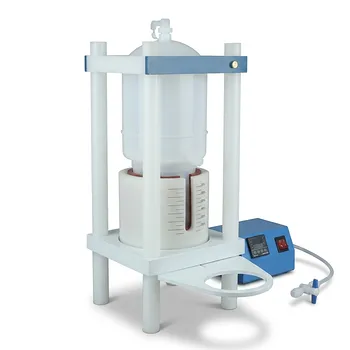
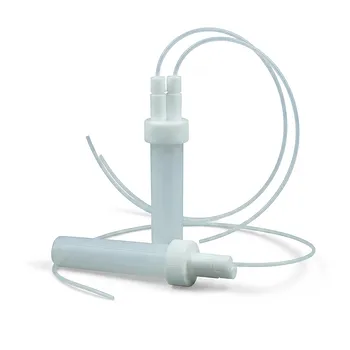
- High Purity PFA Chromatography Column with Collection Bottle Corrosion Resistant Fluoropolymer Filtration System for Trace Analysis
- High Purity PFA Chromatography Columns and Collection Bottles Corrosion Resistant Fluoropolymer Filtration Systems for Trace Analysis
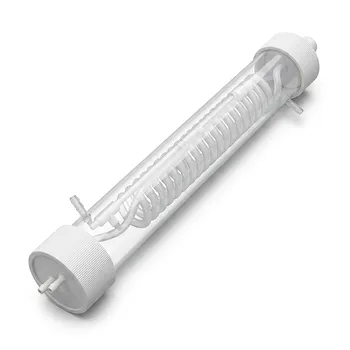
- PFA Sub Boiling Acid Purifier Electronic Grade Distillation System Laboratory Trace Analysis Equipment
- High Purity PFA Chromatography Column Double Layer Constant Pressure Filtration System with Sieve Plate for Strong Acid Resistance
- High Purity PFA Chromatography Column and Collection Bottle System Corrosion Resistant Filter Column with Sieve Plate Glass Alternative
People Also Ask
- Why is the chemical stability of polymer endgroups critical when selecting melt-processible fluoropolymers like PFA for high-purity laboratory apparatus? Choose Stable Endgroups for Reliable Performance
- What are the characteristics of PFA material? A Guide to Its High-Performance Balance
- Why is PFA superior for cleaning and preventing cross-contamination? The Gold Standard for Ultra-Trace Lab Hygiene
- What are the key properties of PFA (PerFluoroAlkoxy)? A Guide to Extreme Chemical and Thermal Resistance
- Why is PFA often selected over traditional PTFE for manufacturing complex fluoropolymer fluid components, custom fittings, and sealed laboratory digestion vessels? Discover the key advantages for your lab.