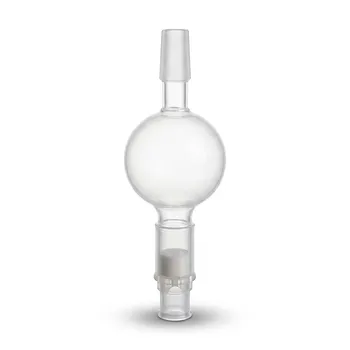
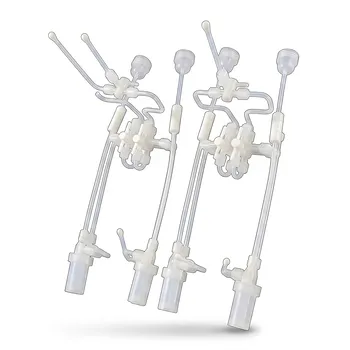
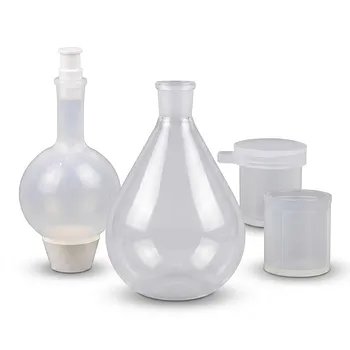
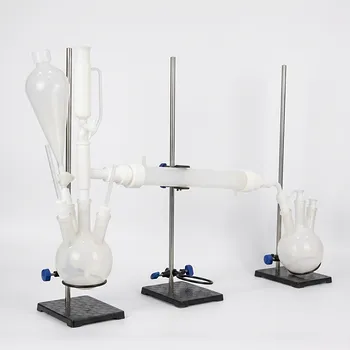
Perfluoroalkoxy alkane (PFA) is the gold standard for laboratory hygiene because its unique molecular structure allows for a melt-processed, non-porous surface that physically prevents reagent entrapment. Unlike other plastics, PFA's extreme chemical resistance permits the use of aggressive decontamination protocols—such as boiling in concentrated nitric acid—without degrading the material. This ensures that even trace-level residues are completely removed, virtually eliminating the risk of "memory effects" or cross-contamination between samples.
PFA combines a physically smooth, non-porous surface with near-total chemical inertness, allowing for rigorous cleaning methods that ensure zero sample carry-over. This makes it the essential material for environments where even part-per-trillion contamination can compromise results.
The Physical Foundation of PFA Superiority
The Advantage of Melt-Processed Surfaces
Unlike PTFE (Teflon), which is often sintered and can remain slightly porous, PFA is melt-processable. This allows manufacturers to create labware with an exceptionally smooth and non-porous interior surface.
Because the surface is microscopically flat, there are no "nooks or crannies" where chemical residues or biological samples can hide. This physical smoothness is the first line of defense against reagent entrapment.
Minimal Surface Adsorption
PFA features a fully fluorinated carbon backbone that lacks reactive functional groups. This means the material has extremely low surface energy and high non-stick properties.
In practical terms, target molecules and trace metals are not "attracted" to the container walls. By keeping surface adsorption to an absolute minimum, PFA prevents the loss of analytes and ensures that the entire sample is available for analysis.
Advanced Cleaning and Decontamination
Resistance to Aggressive Solvents
The chemical inertness of PFA is almost universal. It can withstand exposure to the most aggressive mineral acids and organic solvents that would dissolve or warp standard laboratory plastics like polypropylene.
This resilience allows labs to use "hot acid leaching" or boiling in aqua regia and concentrated nitric acid. These aggressive protocols ensure that any persistent contaminants are chemically destroyed and washed away.
Eliminating the "Memory Effect"
In ultra-trace analysis, a common failure point is the "memory effect," where residues from a previous high-concentration sample leach into a subsequent low-concentration sample.
PFA’s lack of reactive sites means it does not "absorb" chemicals into its matrix. When combined with its ability to survive harsh cleaning, the carry-over risk is effectively reduced to zero.
Understanding the Trade-offs
Mechanical and Thermal Limitations
While PFA is chemically robust, it has a lower scratch resistance than PTFE. Using abrasive brushes or tools during cleaning can create micro-scratches that may eventually harbor contaminants.
Additionally, PFA has a maximum continuous service temperature of 260°C. While high for a plastic, exceeding this limit can lead to dimensional instability and potential failure of the vessel.
The Cost of Purity
PFA labware carries a significantly higher initial purchase price compared to glass or standard polymers. This is due to the complexity of the fluoropolymer synthesis and the high-purity manufacturing environments required.
However, the total cost of ownership is often lower in the long run. Its durability, resistance to cracking during thermal cycling, and the prevention of failed experiments due to contamination provide a clear return on investment.
How to Apply This to Your Project
Making the Right Choice for Your Goal
- If your primary focus is ultra-trace metal analysis (ICP-MS): Use high-purity PFA exclusively to ensure the lowest possible background leaching and prevent cation interference.
- If your primary focus is aggressive chemical synthesis: Utilize PFA vessels when working with concentrated acids at elevated temperatures where glass or other plastics would fail.
- If your primary focus is routine reagent storage: Consider PFA for high-value reagents to maintain their purity over long periods, though standard polymers may suffice for less sensitive applications.
- If your primary focus is cost-efficiency in a high-volume lab: Reserve PFA for the final stages of sample preparation and use more affordable fluoropolymers like FEP for general washing or intermediate steps.
By leveraging the unique molecular properties of PFA, laboratories can achieve the highest levels of analytical precision and sample integrity.
Summary Table:
| Feature | Advantage for Hygiene | Practical Lab Benefit |
|---|---|---|
| Melt-Processed Surface | Non-porous and microscopically flat | Physically prevents reagent entrapment |
| Universal Inertness | Resists aqua regia and nitric acid | Permits aggressive hot acid decontamination |
| Low Surface Energy | Extremely high non-stick properties | Minimizes analyte adsorption and loss |
| Molecular Stability | No reactive functional groups | Eliminates "memory effects" between samples |
Achieve Zero Contamination with KINTEK High-Performance Labware
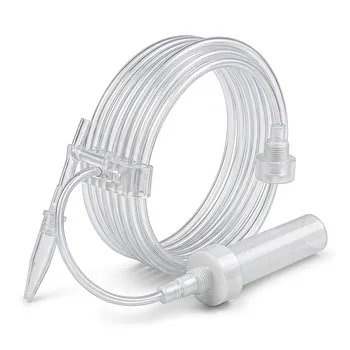
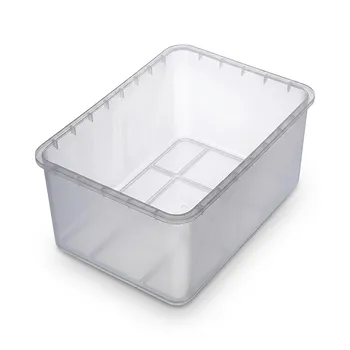
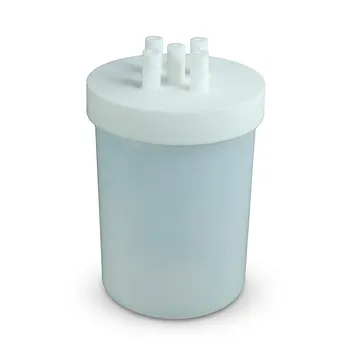
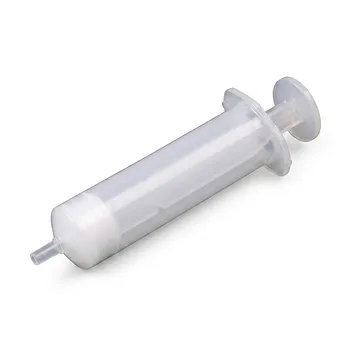
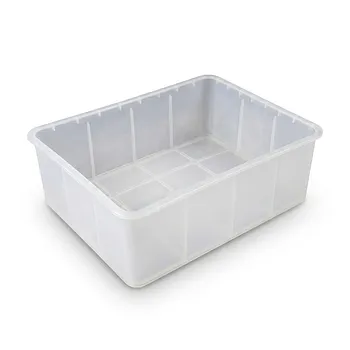
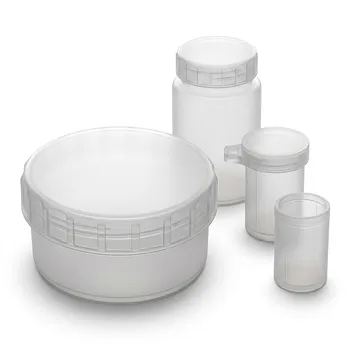
Don't let sample carry-over compromise your critical analytical results. KINTEK specializes in high-performance fluoropolymer solutions designed for the most demanding laboratory environments. We provide everything from everyday basic labware—including beakers, measuring cylinders, crucibles, and reagent bottles—to specialized high-purity trace analysis instruments and cleaning tanks.
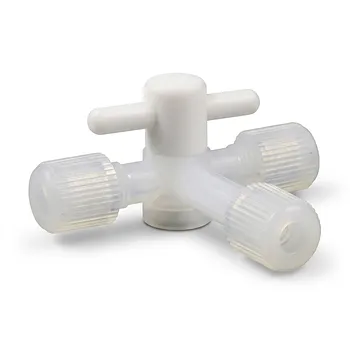
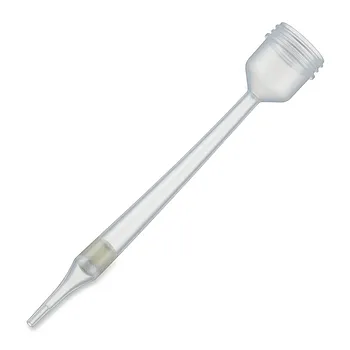
Our extensive catalog covers fluid transfer components (tubing, fittings, valves), sample prep tools (filters, pipettes, spatulas), and advanced reaction apparatus like custom electrochemical cells, battery testing fixtures, and microwave digestion vessels. Every piece is crafted from premium PTFE and PFA, backed by our end-to-end custom CNC fabrication capabilities.
Ready to upgrade your laboratory’s purity standards? Whether you need high-volume consumables or complex, non-standard machined parts tailored to your bespoke setup, KINTEK delivers absolute excellence in fluoropolymer materials. Contact our experts today to secure your contamination-free workflow!
Related Products
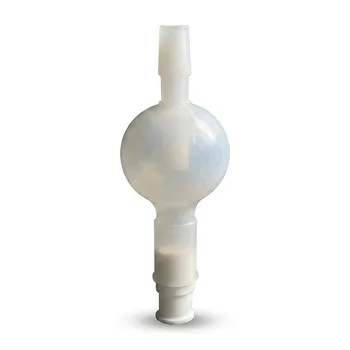
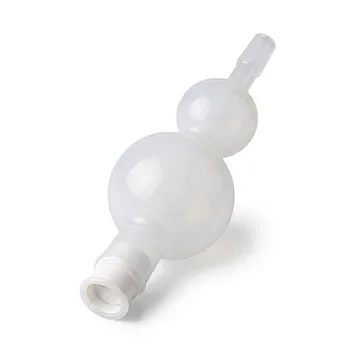
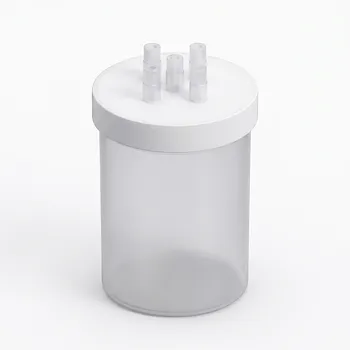
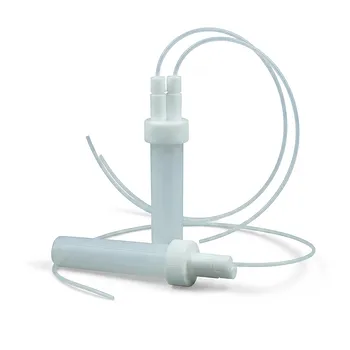
- High Purity PFA Chromatography Column with Collection Bottle Corrosion Resistant Fluoropolymer Filtration System for Trace Analysis
- High Purity PFA Chromatography Columns and Collection Bottles Corrosion Resistant Fluoropolymer Filtration Systems for Trace Analysis
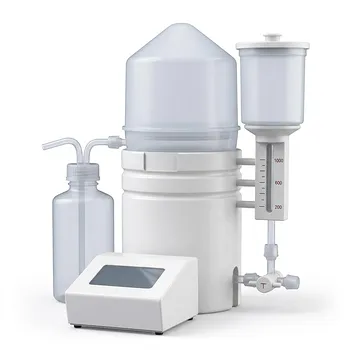
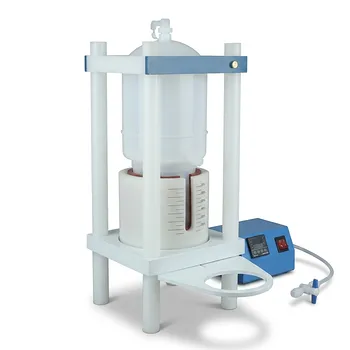
- PFA Sub Boiling Acid Purifier Electronic Grade Distillation System Laboratory Trace Analysis Equipment
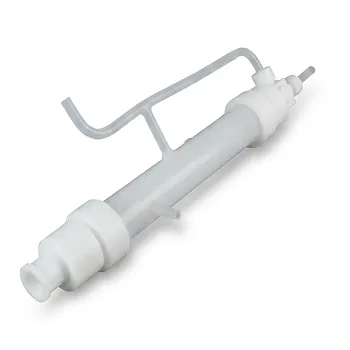
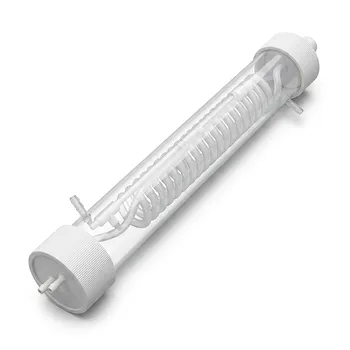
- High Purity PFA Chromatography Column Double Layer Constant Pressure Filtration System with Sieve Plate for Strong Acid Resistance
- High Purity PFA Chromatography Column and Collection Bottle System Corrosion Resistant Filter Column with Sieve Plate Glass Alternative
People Also Ask
- What are the primary functional and temperature differences between PFA and FEP when selecting melt-processible fluoropolymers for custom laboratory apparatus?
- How does PPVE modify PTFE to make melt-processable PFA? Discover key benefits and applications.
- Why is the chemical stability of polymer endgroups critical when selecting melt-processible fluoropolymers like PFA for high-purity laboratory apparatus? Choose Stable Endgroups for Reliable Performance
- What are the characteristics of PFA material? A Guide to Its High-Performance Balance
- Why is Perfluoroalkoxy alkane (PFA) preferred over glass or stainless steel in pharmaceutical process development? Pure Yield